6 Signs Your Cat Needs a Vet Visit
Recognize 6 signs your cat needs a vet visit. Early detection can lead to better health outcomes.
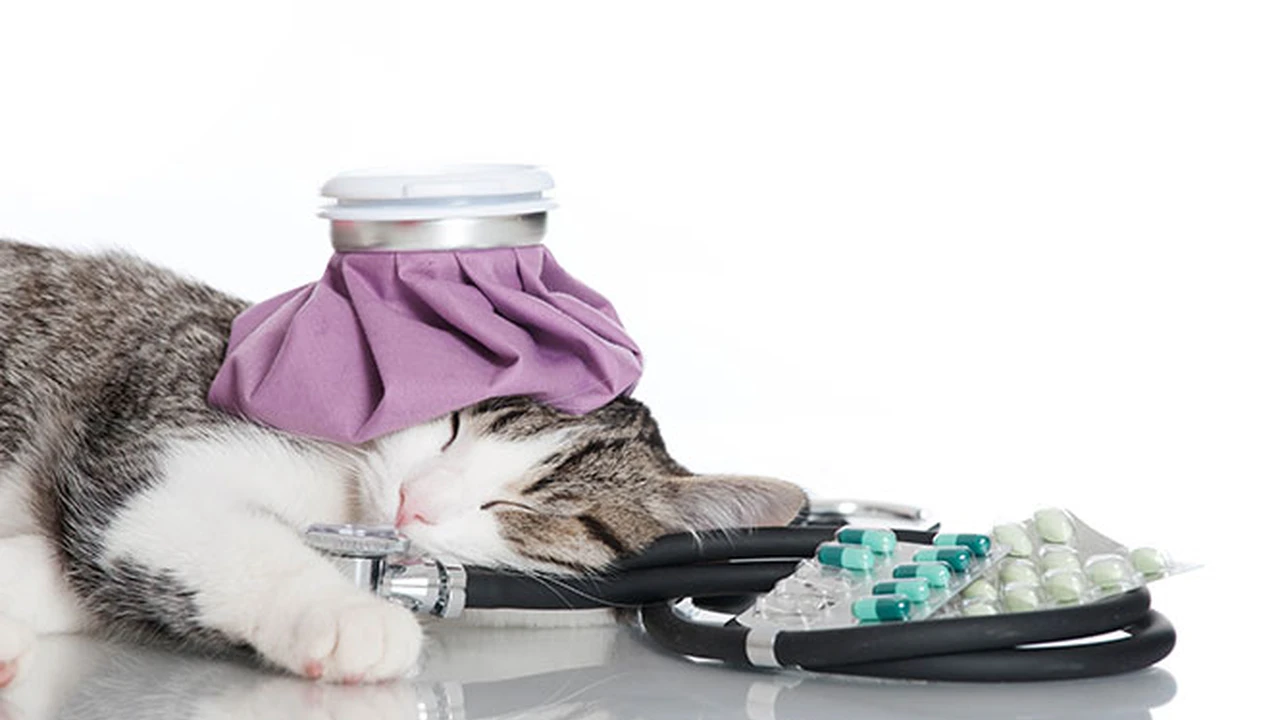
6 Signs Your Cat Needs a Vet Visit
Recognize 6 signs your cat needs a vet visit. Early detection can lead to better health outcomes.Hey cat parents! We all love our feline friends, and sometimes it can be tough to tell if they're just having an off day or if something more serious is going on. Cats are super good at hiding pain and illness, which is why it's so important for us to be observant. Catching health issues early can make a huge difference in their treatment and recovery. So, let's dive into six key signs that tell you it's time to pick up the phone and call your vet.
Changes in Eating or Drinking Habits Cat Appetite Water Intake
One of the first things you might notice if your cat isn't feeling well is a change in how much they're eating or drinking. If your cat suddenly stops eating, or eats significantly less than usual, that's a big red flag. It could be anything from a dental problem making it painful to chew, to a more serious internal issue like kidney disease or even cancer. On the flip side, if your cat is suddenly ravenous but still losing weight, that could point to conditions like hyperthyroidism or diabetes.
Increased thirst and urination are also major indicators. If you find yourself refilling the water bowl more often or scooping out more clumps from the litter box, it could signal diabetes, kidney disease, or a urinary tract infection. These are all conditions that need prompt veterinary attention. Keep an eye on their food and water bowls daily, and if you notice a consistent change over 24-48 hours, it's definitely worth a vet visit.
Litter Box Troubles Cat Urination Defecation Issues
The litter box is like a daily report card for your cat's health. Any changes here should grab your attention. If your cat is straining to urinate, making frequent trips to the litter box with little to no output, or crying out while trying to go, these are classic signs of a urinary blockage or infection. This is a medical emergency, especially for male cats, and needs immediate veterinary care. A blocked urethra can be life-threatening if not treated quickly.
Diarrhea or constipation are also concerns. While an occasional loose stool might not be alarming, persistent diarrhea can lead to dehydration and indicate parasites, dietary issues, or inflammatory bowel disease. Similarly, if your cat hasn't pooped in a couple of days, they might be constipated, which can be uncomfortable and lead to more serious problems if left untreated. Blood in the urine or stool is always a reason to call the vet right away.
Changes in Activity Level or Behavior Cat Lethargy Hiding Aggression
Cats are creatures of habit, so any significant shift in their usual behavior is a strong indicator that something's amiss. If your normally playful cat suddenly becomes lethargic, sleeps more than usual, or loses interest in their favorite toys, they might be in pain or feeling unwell. Hiding more often than usual, especially in unusual spots, can also be a sign they're trying to cope with discomfort or illness.
Conversely, an increase in aggression, irritability, or even excessive vocalization (meowing or howling more than usual) could also signal pain, discomfort, or even cognitive decline in older cats. If your cat suddenly starts avoiding being petted in certain areas, it could mean they're sore or have an injury. Any unexplained behavioral changes that last for more than a day or two warrant a call to the vet.
Vomiting or Diarrhea Cat Digestive Issues Upset Stomach
While an occasional hairball or a single episode of vomiting might not be a huge deal, persistent vomiting or diarrhea is definitely a cause for concern. If your cat is vomiting multiple times in a day, or if the vomiting continues for more than 24 hours, they could be dehydrated or have a more serious underlying condition. This is especially true if the vomit contains blood or looks like coffee grounds.
Similarly, ongoing diarrhea can quickly lead to dehydration and electrolyte imbalances. It could be caused by parasites, a sudden change in diet, food allergies, or more serious gastrointestinal diseases. If your cat is also lethargic, has a fever, or shows signs of abdominal pain along with vomiting or diarrhea, don't wait – get them to the vet immediately.
Unexplained Weight Loss or Gain Cat Body Condition Changes
Keeping an eye on your cat's weight is crucial for their long-term health. Unexplained weight loss, even if your cat is still eating, can be a sign of serious conditions like hyperthyroidism, diabetes, kidney disease, or even cancer. These conditions often cause the body to burn through calories faster or prevent proper nutrient absorption. You might notice their ribs or spine becoming more prominent, or their overall body looking thinner.
On the other hand, unexplained weight gain can also be problematic. While sometimes it's just overfeeding, it can also be a symptom of hormonal imbalances or fluid retention. Obesity itself can lead to a host of health issues like diabetes, arthritis, and heart disease. Regular weigh-ins at home, especially for older cats, can help you catch these changes early. If you notice a significant change in weight (more than 10% of their body weight) without any dietary changes, it's time for a vet check-up.
Changes in Appearance or Grooming Cat Coat Skin Eyes
Your cat's appearance can tell you a lot about their health. A dull, greasy, or matted coat can indicate that your cat isn't feeling well enough to groom themselves properly, or it could be a sign of skin issues, parasites, or even internal disease. Excessive scratching, licking, or biting at their fur could point to allergies, fleas, or skin infections.
Keep an eye on their eyes and nose too. Discharge from the eyes or nose, redness, swelling, or squinting can indicate infections or allergies. Swollen paws, lumps or bumps on their body, or changes in gum color (pale or yellowish gums are concerning) are also reasons to seek veterinary advice. Any new growths or sores that don't heal should always be checked out by a professional.
Recommended Products for Monitoring Cat Health At Home Cat Health Monitoring Tools
While nothing replaces a vet visit, having some tools at home can help you monitor your cat's health and provide valuable information to your vet. Here are a few recommendations:
Digital Pet Scale Cat Weight Monitoring
A good digital pet scale is invaluable for tracking weight changes, especially for cats on a diet or those with chronic conditions. Look for one that can handle up to 20-30 lbs and has a stable, flat surface. Many baby scales work great for cats too.
- Product Recommendation: PetFusion Premium Pet Weighing Scale
- Usage Scenario: Weekly weigh-ins for senior cats or those with suspected weight loss/gain.
- Comparison: Cheaper kitchen scales might not be accurate enough for larger cats, and human scales are often too big and unstable.
- Estimated Price: $40 - $80 USD
Smart Pet Water Fountain Cat Hydration Tracking
These fountains encourage cats to drink more and some even have features to track water intake, which can be super helpful for monitoring kidney health or diabetes.
- Product Recommendation: PetSafe Drinkwell Platinum Pet Fountain (basic, reliable) or Catit PIXI Smart Fountain (app-enabled tracking)
- Usage Scenario: For cats with a history of urinary issues or those needing increased hydration.
- Comparison: Basic fountains are good for encouraging drinking, but smart fountains offer data tracking.
- Estimated Price: $30 - $100 USD
Litter Box Monitoring System Cat Waste Analysis
While not common, some high-tech litter boxes can track frequency of use and even analyze waste for potential health issues. More commonly, simply using a good quality clumping litter and observing the clumps daily is effective.
- Product Recommendation: Litter-Robot 4 (automatic, self-cleaning, app-enabled tracking of litter box usage)
- Usage Scenario: For busy owners who want detailed insights into their cat's litter box habits without constant manual checking.
- Comparison: Manual observation is free, but automated systems provide data and convenience.
- Estimated Price: $600 - $800 USD (premium product)
Pet First Aid Kit Cat Emergency Preparedness
Having a basic first aid kit can help you manage minor injuries or stabilize your cat before getting to the vet in an emergency.
- Product Recommendation: Adventure Medical Kits Trail Dog First Aid Kit (can be adapted for cats)
- Usage Scenario: For minor cuts, scrapes, or to have on hand for unexpected situations.
- Comparison: Human first aid kits often lack pet-specific items like paw bandages or styptic powder.
- Estimated Price: $25 - $50 USD
Flea and Tick Prevention Cat Parasite Control
Regular parasite prevention is key to preventing many health issues. Always consult your vet for the best product for your cat.
- Product Recommendation: Frontline Plus for Cats or Revolution Plus for Cats
- Usage Scenario: Monthly application for all cats, especially those with outdoor access.
- Comparison: Topical treatments are generally effective, but oral medications are also available. Always choose vet-recommended brands over generic ones.
- Estimated Price: $40 - $60 USD for a 3-month supply
When to Call the Vet Immediately Cat Emergency Signs
Some situations are true emergencies and can't wait. If you notice any of these, get your cat to an emergency vet right away:
- Difficulty breathing (gasping, open-mouth breathing, blue gums)
- Severe trauma (hit by car, fall from height)
- Uncontrolled bleeding
- Collapse or sudden weakness
- Seizures
- Inability to urinate or defecate (especially straining in the litter box)
- Repeated vomiting or diarrhea, especially with lethargy
- Ingestion of toxins (poison, human medication, toxic plants)
- Sudden paralysis or inability to move limbs
- Extreme pain (crying out, hiding, aggression when touched)
Remember, you know your cat best. If something just feels off, trust your gut. It's always better to be safe than sorry when it comes to their health. Regular vet check-ups are also super important for preventative care, so make sure your feline friend is up-to-date on their annual exams and vaccinations. Stay vigilant, and keep those purrs coming!
:max_bytes(150000):strip_icc()/277019-baked-pork-chops-with-cream-of-mushroom-soup-DDMFS-beauty-4x3-BG-7505-5762b731cf30447d9cbbbbbf387beafa.jpg)