Best Animal Welfare Initiatives in Southeast Asia
Explore the best animal welfare initiatives in Southeast Asia. Learn about impactful programs.
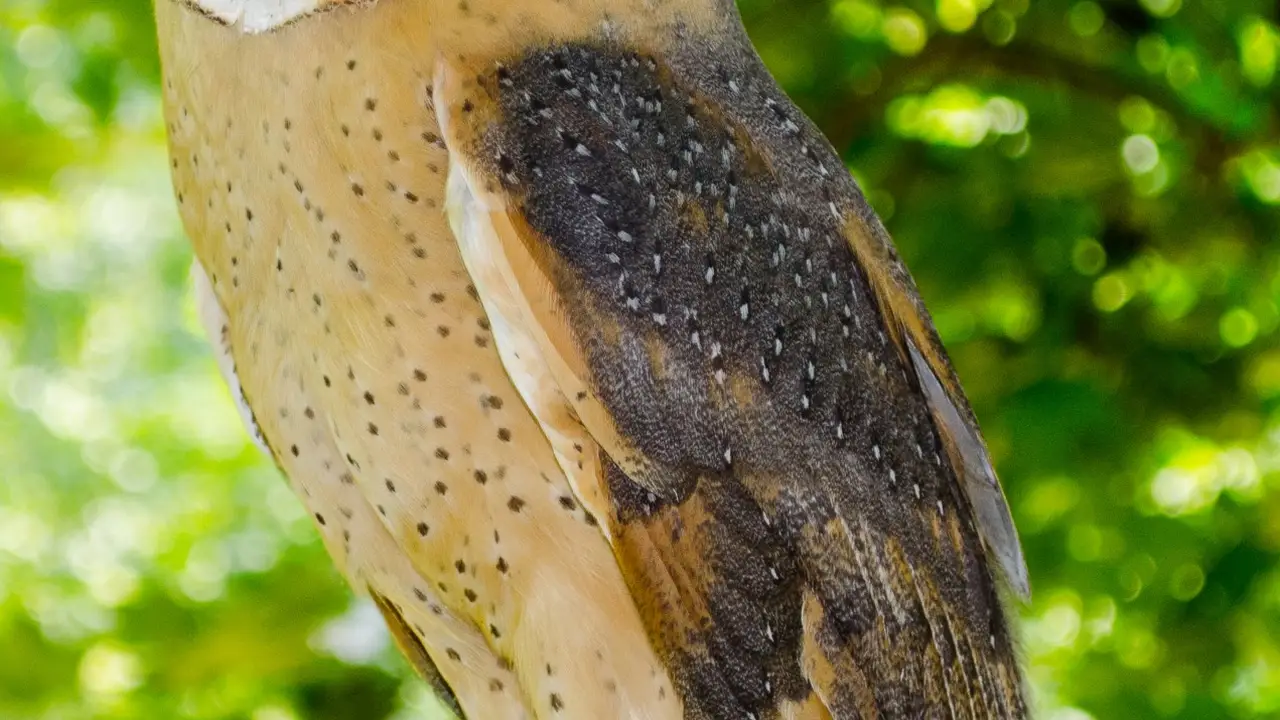
Explore the best animal welfare initiatives in Southeast Asia. Learn about impactful programs.
Best Animal Welfare Initiatives in Southeast Asia
Understanding Animal Welfare Challenges in Southeast Asia
Southeast Asia, a region renowned for its vibrant cultures, stunning landscapes, and rich biodiversity, also faces significant challenges when it comes to animal welfare. From stray animal populations to the illegal wildlife trade and the exploitation of animals in tourism, the issues are complex and deeply rooted in socio-economic factors, cultural practices, and sometimes, a lack of awareness or enforcement. However, amidst these challenges, numerous dedicated organizations and initiatives are working tirelessly to make a difference. This article delves into some of the most impactful animal welfare programs across the region, highlighting their efforts, successes, and how you can support them.Key Areas of Animal Welfare Focus in Southeast Asia
Animal welfare initiatives in Southeast Asia typically concentrate on several critical areas:Stray Animal Management and Population Control
One of the most visible and widespread issues is the large population of stray dogs and cats. These animals often suffer from malnutrition, disease, and injury, and can also pose public health concerns. Initiatives in this area focus on:- Sterilization Programs (Trap-Neuter-Release/TNR): This is widely recognized as the most humane and effective method for controlling stray populations. By sterilizing animals, organizations prevent unwanted litters, reducing the number of animals born into a life of hardship.
- Vaccination Drives: Vaccinating stray animals, particularly against rabies, is crucial for both animal health and public safety.
- Rescue and Rehoming: Providing shelter, medical care, and finding loving homes for abandoned or injured animals.
Combating the Illegal Wildlife Trade and Poaching
Southeast Asia is a hotspot for biodiversity, making it a target for illegal wildlife trafficking. This trade threatens countless species, from pangolins and tigers to exotic birds and reptiles. Efforts here include:- Anti-Poaching Patrols: On-the-ground efforts to deter poachers and protect wildlife in their natural habitats.
- Rehabilitation and Release: Rescuing trafficked animals, providing veterinary care, and, where possible, releasing them back into the wild.
- Public Awareness Campaigns: Educating local communities and consumers about the devastating impact of the illegal wildlife trade.
- Law Enforcement Collaboration: Working with authorities to strengthen laws and improve enforcement against wildlife criminals.
Addressing Animal Cruelty and Exploitation in Tourism
Animals are often exploited in the tourism industry, particularly elephants, monkeys, and various marine species. This can involve harsh training methods, inadequate living conditions, and forced performances. Initiatives aim to:- Promote Ethical Tourism: Educating tourists about responsible animal encounters and encouraging them to choose ethical operators.
- Sanctuary Support: Establishing and supporting genuine sanctuaries where animals rescued from exploitation can live out their lives in peace.
- Advocacy and Policy Change: Lobbying governments and tourism boards to implement stricter regulations and ban cruel practices.
Promoting Responsible Pet Ownership and Education
Many animal welfare issues stem from a lack of understanding about responsible pet care. Educational programs are vital for:- Community Outreach: Teaching pet owners about proper nutrition, hygiene, veterinary care, and the importance of sterilization.
- School Programs: Instilling empathy and responsible attitudes towards animals in younger generations.
- Access to Veterinary Care: Providing affordable or free veterinary services to low-income communities.
Spotlight on Impactful Initiatives Across Southeast Asia
Let's dive into some specific organizations and their incredible work:Thailand: Soi Dog Foundation (Phuket)
Soi Dog Foundation is arguably one of the most well-known animal welfare organizations in Southeast Asia, primarily focusing on stray dogs and cats in Thailand. Their work is comprehensive and highly effective.Soi Dog Foundation Programs and Impact
- Mass Sterilization and Vaccination (CNVR - Catch-Neuter-Vaccinate-Release): Soi Dog has sterilized hundreds of thousands of dogs and cats across Thailand, significantly reducing the stray population and controlling rabies. They operate mobile clinics and large-scale campaigns.
- Rescue and Treatment: They rescue sick, injured, and abused animals, providing extensive veterinary care at their state-of-the-art hospital in Phuket.
- Adoption Programs: Soi Dog facilitates international adoptions, finding loving homes for thousands of animals in North America, Europe, and Australia. They have a dedicated team that handles the complex logistics of international travel for these animals.
- Education and Advocacy: They actively campaign against the illegal dog meat trade and educate local communities on animal welfare.
How to Support Soi Dog Foundation
- Donate: Financial contributions are crucial for their ongoing operations, medical supplies, and food.
- Sponsor a Dog or Cat: You can sponsor an animal for a monthly fee, helping to cover their care.
- Volunteer: They welcome volunteers at their shelter in Phuket for various roles, from dog walking to administrative tasks.
- Adopt: If you're looking for a pet, consider adopting from Soi Dog.
Vietnam: Animals Asia Foundation (Bear Sanctuary, Vietnam)
While Animals Asia operates across the continent, their Vietnam Bear Sanctuary is a shining example of wildlife rescue and rehabilitation, specifically targeting the cruel bear bile farming industry.Animals Asia Foundation Programs and Impact
- Bear Rescue and Rehabilitation: They rescue moon bears and sun bears from bile farms, providing them with lifelong care in vast, natural enclosures at their sanctuary. Many bears arrive with severe health issues due to years of confinement and bile extraction.
- Campaigning Against Bear Bile Farming: Animals Asia has been instrumental in raising global awareness and lobbying governments to end this barbaric practice. They work closely with the Vietnamese government towards a complete ban.
- Traditional Medicine Outreach: They promote herbal and synthetic alternatives to bear bile in traditional medicine, educating practitioners and the public.
How to Support Animals Asia Foundation
- Donate: Funds are vital for the ongoing care of the rescued bears, sanctuary maintenance, and campaigning efforts.
- Adopt a Bear: You can symbolically adopt a bear, contributing to their care.
- Visit the Sanctuary: Learn firsthand about their work and the bears' stories.
Malaysia: SPCA Selangor (Society for the Prevention of Cruelty to Animals)
SPCA Selangor is a leading animal welfare organization in Malaysia, focusing on a broad range of issues related to domestic animals.SPCA Selangor Programs and Impact
- Shelter and Rehoming: They provide shelter, medical care, and rehabilitation for abandoned and abused animals, striving to find them permanent homes.
- Low-Cost Neutering and Spaying: To address pet overpopulation, they offer subsidized sterilization services for pet owners and stray animals.
- Education and Outreach: SPCA Selangor runs extensive educational programs for schools and the public, promoting responsible pet ownership and compassion towards animals.
- Cruelty Investigations: They investigate reports of animal cruelty and work with authorities to ensure perpetrators are brought to justice.
How to Support SPCA Selangor
- Volunteer: Help with daily shelter operations, animal care, or outreach events.
- Donate: Financial support helps cover operational costs, food, and medical expenses.
- Adopt or Foster: Provide a temporary or permanent home for an animal in need.
Indonesia: Bali Animal Welfare Association (BAWA)
BAWA is a non-profit organization dedicated to improving the lives of all animals in Bali, with a particular focus on the island's large stray dog population and rabies control.BAWA Programs and Impact
- Rabies Control and Vaccination: BAWA has been at the forefront of rabies prevention in Bali, conducting mass vaccination campaigns and educating communities.
- Rescue and Rehabilitation: They rescue injured, sick, and abused animals, providing emergency veterinary care and rehabilitation.
- Sterilization Programs: Similar to Soi Dog, BAWA implements extensive sterilization programs to manage the stray dog population humanely.
- Education: They run educational programs for local communities and tourists on responsible pet ownership and animal welfare.
How to Support BAWA
- Donate: Critical for their emergency response, medical care, and vaccination programs.
- Volunteer: Opportunities exist for veterinary professionals and general volunteers.
- Sponsor an Animal: Help cover the costs of care for a rescued animal.
Philippines: Philippine Animal Welfare Society (PAWS)
PAWS is a non-profit organization dedicated to protecting and promoting the humane treatment of all animals in the Philippines.PAWS Programs and Impact
- Animal Shelter and Adoption: They operate a shelter for abandoned and abused animals, providing care and facilitating adoptions.
- Low-Cost Spay/Neuter Clinic: PAWS offers affordable sterilization services to help control pet overpopulation.
- Anti-Cruelty Campaigns: They actively campaign against animal cruelty, lobby for stronger animal welfare laws, and assist in prosecuting offenders.
- Education: PAWS conducts public awareness campaigns and educational programs on responsible pet ownership.
How to Support PAWS
- Volunteer: Assist at the shelter, with events, or administrative tasks.
- Donate: Financial contributions are essential for their operations and programs.
- Adopt or Foster: Give a rescued animal a loving home.
Ethical Tourism and Animal Encounters in Southeast Asia
When traveling in Southeast Asia, it's crucial to be an ethical tourist. Many attractions exploit animals for entertainment. Here's how to make responsible choices:Elephant Sanctuaries vs. Riding Camps
Always choose genuine elephant sanctuaries that prioritize the elephants' welfare. Avoid places that offer elephant riding, painting, or performances. Look for sanctuaries where elephants roam freely, socialize naturally, and are not subjected to harsh training (often involving a bullhook).Recommended Ethical Elephant Sanctuaries
- Elephant Nature Park (Chiang Mai, Thailand): A pioneer in ethical elephant tourism, offering a true sanctuary experience. Visitors observe elephants in a natural environment, learn about their stories, and help with feeding. They also rescue other animals.
- Wildlife Friends Foundation Thailand (WFFT) (Phetchaburi, Thailand): Rescues and rehabilitates a wide range of wildlife, including elephants, gibbons, and bears, from exploitation. They offer educational visits where you can observe animals in large enclosures.
- Bali Elephant Camp (Bali, Indonesia): While some camps still offer riding, look for those that focus purely on observation and conservation, allowing elephants to live more naturally. Always research thoroughly.
Marine Life Encounters: Snorkeling and Diving
When interacting with marine life, ensure operators follow strict guidelines to protect the ecosystem. Avoid touching marine animals, standing on coral, or feeding fish.Recommended Ethical Marine Tour Operators
- Marine Megafauna Foundation (Global, with projects in Southeast Asia): While not a tour operator, they partner with ethical dive centers to promote responsible marine tourism and research. Look for operators that support their work.
- Local Eco-Tourism Operators: Many smaller, locally-run dive and snorkel shops in places like Raja Ampat (Indonesia), Palawan (Philippines), and Koh Lanta (Thailand) are committed to sustainable practices. Ask about their environmental policies and certifications.
Wildlife Parks and Zoos
Be discerning when visiting zoos or wildlife parks. Prioritize those that focus on conservation, education, and provide spacious, naturalistic enclosures. Avoid places with animal shows or photo opportunities where animals appear stressed or drugged.Recommended Ethical Wildlife Parks/Zoos
- Singapore Zoo (Singapore): Known for its 'open concept' design, focusing on natural habitats and conservation. They are involved in breeding programs for endangered species.
- Sepilok Orangutan Rehabilitation Centre (Sabah, Malaysia): A world-renowned center dedicated to rehabilitating orphaned and displaced orangutans, preparing them for release back into the wild. Visitors can observe feeding times from platforms.
Products and Resources to Support Animal Welfare
Beyond direct donations, there are products and resources that can help you support animal welfare initiatives or make more ethical choices.Ethical Pet Food Brands
Choosing pet food from companies that prioritize ethical sourcing, sustainable practices, and animal welfare can indirectly support a better industry. While many brands are global, look for those with a strong commitment to these values.- Orijen and Acana (Champion Petfoods): Known for their biologically appropriate, high-quality ingredients, often locally sourced. They emphasize sustainable practices. (Price range: $$$ - $$$$)
- Taste of the Wild: Offers grain-free options with novel proteins, focusing on natural ingredients. (Price range: $$ - $$$)
- Wellness Pet Food: Committed to natural ingredients and often partners with animal welfare organizations. (Price range: $$ - $$$)
Cruelty-Free Pet Products
Opt for pet shampoos, grooming products, and even toys that are certified cruelty-free, meaning they haven't been tested on animals.- Earthbath: Offers a range of natural, cruelty-free shampoos and grooming wipes for dogs and cats. (Price range: $$)
- Burt's Bees for Pets: Known for natural ingredients and cruelty-free practices in their pet grooming line. (Price range: $$)
- West Paw Design (Toys): Manufactures durable, eco-friendly, and non-toxic pet toys in the USA, with a strong commitment to sustainability and safety. (Price range: $$ - $$$)
Sustainable and Ethical Souvenirs
When shopping for souvenirs, avoid anything made from endangered species (e.g., ivory, turtle shells, coral) or products that promote animal exploitation. Instead, look for locally made crafts, textiles, or art that directly support local communities.- Handicrafts from local markets: Support artisans directly. Look for items made from sustainable materials like bamboo, wood, or recycled goods.
- Fair Trade Certified products: Ensures producers receive fair wages and work in safe conditions.
- Books or art depicting local wildlife: A great way to appreciate the region's biodiversity without contributing to exploitation.
Pet Insurance Providers with Ethical Stances
Some pet insurance companies actively support animal welfare initiatives or have policies that align with ethical pet care. Research providers to see if they partner with shelters or promote responsible pet ownership.- Healthy Paws Pet Insurance: Known for its comprehensive coverage and commitment to animal welfare, often donating to pet adoption organizations. (Price varies by plan and pet)
- Embrace Pet Insurance: Offers flexible plans and has a strong focus on customer service, often supporting local shelters. (Price varies by plan and pet)
:max_bytes(150000):strip_icc()/277019-baked-pork-chops-with-cream-of-mushroom-soup-DDMFS-beauty-4x3-BG-7505-5762b731cf30447d9cbbbbbf387beafa.jpg)