Best Wildlife Sanctuaries to Visit in Southeast Asia
Explore the best wildlife sanctuaries to visit in Southeast Asia. Experience ethical animal encounters and support conservation efforts. Discover top destinations, what to expect, and how to choose the right sanctuary for a memorable and responsible trip.
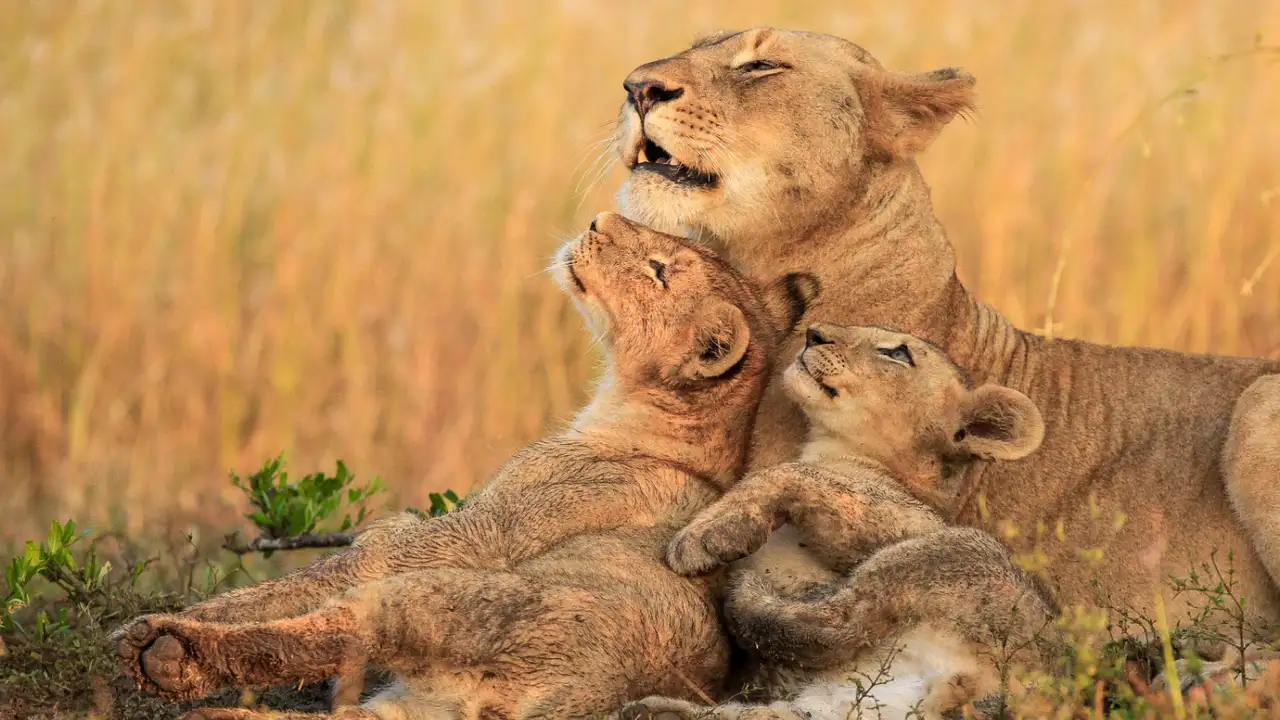
Explore the best wildlife sanctuaries to visit in Southeast Asia. Experience ethical animal encounters and support conservation efforts. Discover top destinations, what to expect, and how to choose the right sanctuary for a memorable and responsible trip.
Best Wildlife Sanctuaries to Visit in Southeast Asia
Southeast Asia is a treasure trove of biodiversity, home to some of the world's most iconic and endangered species. From the majestic elephants of Thailand to the elusive orangutans of Borneo, the region offers unparalleled opportunities for wildlife encounters. However, with growing tourism, it's crucial to distinguish between ethical wildlife sanctuaries and exploitative attractions. This comprehensive guide will help you navigate the best wildlife sanctuaries in Southeast Asia, ensuring your visit contributes positively to animal welfare and conservation.
Understanding Ethical Wildlife Sanctuaries What to Look For
Before diving into specific recommendations, let's clarify what makes a wildlife sanctuary truly ethical. An ethical sanctuary prioritizes the well-being of its animals above all else. This means:
- No Direct Contact or Riding: Animals, especially large mammals like elephants, should not be ridden, forced to perform tricks, or subjected to excessive direct human contact. This can be stressful for them and often involves cruel training methods.
- Rescue and Rehabilitation Focus: The primary goal should be to rescue animals from abusive situations, rehabilitate them, and, if possible, release them back into the wild. For animals that cannot be released, the sanctuary provides a lifelong home.
- Spacious Natural Habitats: Animals should have ample space to roam, forage, and exhibit natural behaviors in environments that mimic their natural habitats as closely as possible.
- Education and Conservation: Ethical sanctuaries educate visitors about the animals, their conservation status, and the threats they face. They often engage in broader conservation efforts.
- No Breeding Programs (unless for reintroduction): Generally, ethical sanctuaries do not breed animals unless it's part of a carefully managed program aimed at reintroducing a critically endangered species into the wild.
- Transparency: They should be transparent about their operations, finances, and animal care practices.
Top Wildlife Sanctuaries in Thailand Ethical Elephant Encounters
Thailand is famous for its elephants, but sadly, many tourist attractions exploit these magnificent creatures. Thankfully, several ethical sanctuaries offer incredible experiences without compromising welfare.
Elephant Nature Park Chiang Mai Thailand
Elephant Nature Park (ENP) is arguably the most renowned ethical elephant sanctuary in Southeast Asia. Located near Chiang Mai, ENP is a rescue and rehabilitation center for elephants, dogs, cats, and other animals. Visitors can observe elephants in a natural setting, learn about their individual stories, and participate in feeding them. There's no riding, no tricks, just respectful observation.
- What to Expect: Full-day or overnight visits, observing elephants bathing, socializing, and foraging. Educational talks and delicious vegetarian food are included.
- Why it's Ethical: Strict no-riding policy, focus on rescue and rehabilitation, large natural enclosures, and extensive community and conservation work.
- Booking Information: Book well in advance, especially for overnight stays, as it's very popular. Prices typically range from $80-$150 for a day trip, depending on the package.
Wildlife Friends Foundation Thailand WFFT Phetchaburi Thailand
WFFT is another excellent choice, rescuing a wide variety of animals beyond elephants, including gibbons, bears, and macaques. It's a larger facility with a strong emphasis on rehabilitation and release. They offer day visits and volunteer opportunities.
- What to Expect: Guided tours to see various rescued animals, learn about their stories, and understand the challenges of wildlife conservation in Thailand.
- Why it's Ethical: Rescues a diverse range of animals, focuses on rehabilitation and release, and provides large, natural enclosures.
- Booking Information: Day visits are around $50-$70. Volunteer programs are also available for longer stays.
Orangutan Havens in Borneo Malaysia and Indonesia
Borneo is the only place on Earth where orangutans live in the wild. Visiting a reputable sanctuary is crucial for supporting their survival.
Sepilok Orangutan Rehabilitation Centre Sabah Malaysia
Sepilok is a world-renowned center dedicated to rehabilitating orphaned and injured orangutans, with the ultimate goal of returning them to the wild. Visitors can observe feeding times from elevated platforms, providing a respectful distance.
- What to Expect: Two daily feeding times where orangutans emerge from the forest. A nursery area allows observation of younger orangutans learning essential skills.
- Why it's Ethical: Focus on rehabilitation and release, minimal human interaction, and extensive educational programs.
- Booking Information: Entrance fee is approximately $7-$10. No advance booking needed for general entry.
Semenggoh Wildlife Centre Sarawak Malaysia
Similar to Sepilok, Semenggoh is a rehabilitation center for orangutans. It's known for its semi-wild orangutans who often return to the center for supplementary feeding.
- What to Expect: Feeding sessions where you can see orangutans in a natural forest setting.
- Why it's Ethical: Rehabilitation focus, large natural reserve, and limited human interaction.
- Booking Information: Entrance fee is around $5-$7.
Tanjung Puting National Park Kalimantan Indonesia
For a more immersive experience, consider a multi-day klotok (traditional boat) tour through Tanjung Puting National Park. This park is home to several orangutan feeding stations, including Camp Leakey, where you can see both rehabilitated and wild orangutans. While not a traditional sanctuary, the park's focus on conservation and the limited, respectful interaction make it an ethical choice when guided by responsible operators.
- What to Expect: Multi-day boat trips, jungle trekking, observing orangutans at feeding platforms, and experiencing the rainforest ecosystem.
- Why it's Ethical: Focus on protecting wild orangutan populations and their habitat, with controlled visitor access.
- Booking Information: Requires booking a tour with a reputable local operator. Prices vary widely depending on the length and luxury of the tour, typically starting from $300-$500 for a 3-day, 2-night trip.
Bear Sanctuaries in Vietnam and Laos Rescuing Sun and Moon Bears
Sun bears and moon bears are often victims of the illegal wildlife trade, particularly for bile farming. Sanctuaries in Vietnam and Laos are doing incredible work to rescue and rehabilitate these bears.
Animals Asia Bear Rescue Centre Tam Dao Vietnam
Animals Asia is a leading organization fighting bear bile farming. Their rescue center in Tam Dao provides a safe haven for hundreds of rescued bears, offering them a chance to live out their lives in peace.
- What to Expect: Guided tours to learn about the bears' stories, the horrors of bile farming, and Animals Asia's efforts. You'll see bears in large, natural enclosures.
- Why it's Ethical: Dedicated to rescuing bears from bile farms, providing lifelong care, and campaigning to end the trade.
- Booking Information: Visits are usually by appointment or during specific open days. Check their website for details. Donations are encouraged.
Free the Bears Wildlife Rescue Centre Luang Prabang Laos
Located near the beautiful Kuang Si Falls, this center rescues sun bears and moon bears from the illegal wildlife trade. Visitors can observe the bears playing and foraging in their enclosures.
- What to Expect: Observe bears, learn about their rescue stories, and understand the threats they face.
- Why it's Ethical: Focus on rescue, rehabilitation, and education.
- Booking Information: Small entrance fee, often combined with a visit to Kuang Si Falls.
Other Notable Wildlife Sanctuaries Across Southeast Asia
Beyond elephants, orangutans, and bears, Southeast Asia offers sanctuaries for a variety of other species.
Gibbon Rehabilitation Project Phuket Thailand
This project rescues gibbons from the illegal pet trade and aims to rehabilitate and release them back into the wild. Visitors can learn about gibbon conservation and see the rehabilitation process.
- What to Expect: Educational center, observation of gibbons in various stages of rehabilitation.
- Why it's Ethical: Focus on rescue, rehabilitation, and reintroduction.
- Booking Information: Free entry, donations welcome.
Philippine Eagle Center Davao Philippines
Dedicated to the conservation of the critically endangered Philippine Eagle, this center breeds eagles in captivity and works towards their reintroduction. It also houses other endemic wildlife.
- What to Expect: See the majestic Philippine Eagle up close, learn about conservation efforts, and observe other native species.
- Why it's Ethical: Focus on breeding and reintroduction of a critically endangered species, extensive research and education.
- Booking Information: Small entrance fee.
Planning Your Ethical Wildlife Encounter Practical Tips and Product Recommendations
To make your visit to these sanctuaries even more impactful and enjoyable, here are some practical tips and product recommendations.
Essential Gear for Your Sanctuary Visit
Having the right gear can enhance your experience and ensure you're prepared for the environment.
1 Binoculars for Optimal Viewing
Since ethical sanctuaries prioritize animal space and minimal human interaction, binoculars are invaluable for getting a closer look without disturbing the animals.
- Product Recommendation: Nikon Monarch M5 10x42 Binoculars
- Use Case: Excellent for birdwatching, observing distant elephants, or spotting orangutans high in the canopy. The 10x magnification provides a good balance of power and field of view.
- Comparison: Compared to cheaper models, the Monarch M5 offers superior light gathering, sharper images, and better durability, making it worth the investment for serious wildlife viewing. Cheaper alternatives like the Celestron Outland X 10x42 are decent for casual use but lack the optical clarity and robust build of the Nikon.
- Price Range: Nikon Monarch M5: $250-$300. Celestron Outland X: $80-$120.
2 Reusable Water Bottle Staying Hydrated Responsibly
Many sanctuaries are in warm, humid climates. Staying hydrated is key, and using a reusable bottle helps reduce plastic waste, aligning with conservation principles.
- Product Recommendation: Hydro Flask 32 oz Wide Mouth Bottle
- Use Case: Keeps water cold for hours, even in tropical heat. The wide mouth is easy to clean and fill.
- Comparison: While brands like Stanley Quencher are popular, Hydro Flask often has better insulation for cold drinks in hot climates. Cheaper plastic bottles are an option but don't offer the same insulation or environmental benefit.
- Price Range: Hydro Flask: $40-$50. Stanley Quencher: $35-$45.
3 Insect Repellent Protecting Yourself and Animals
Mosquitoes and other insects are common in jungle environments. Choose a repellent that is effective but also mindful of the environment.
- Product Recommendation: Sawyer Products Picaridin Insect Repellent Lotion
- Use Case: Picaridin is effective against mosquitoes and ticks, less greasy than DEET, and generally considered safer for gear and skin. It's also less likely to harm animals if it gets on them indirectly.
- Comparison: DEET-based repellents (e.g., OFF Deep Woods) are highly effective but can be harsh on skin and gear. Natural repellents (e.g., citronella-based) are less effective for prolonged exposure in high-risk areas.
- Price Range: Sawyer Picaridin: $8-$12. OFF Deep Woods: $6-$10.
4 Comfortable Walking Shoes Essential for Exploration
You'll likely be doing a fair amount of walking on uneven terrain. Comfortable, closed-toe shoes are a must.
- Product Recommendation: Merrell Moab 3 Ventilator Hiking Shoes
- Use Case: Excellent grip, breathability, and support for trails and uneven paths.
- Comparison: While running shoes (e.g., Brooks Ghost) offer comfort, they lack the grip and ankle support needed for jungle trails. Heavy hiking boots might be overkill unless you're doing serious trekking.
- Price Range: Merrell Moab 3: $110-$140. Brooks Ghost: $130-$150.
Choosing a Responsible Tour Operator for Park Visits
For places like Tanjung Puting National Park, selecting the right tour operator is paramount. Look for operators who:
- Have strong ethical guidelines regarding animal interaction.
- Employ local guides and contribute to local communities.
- Practice responsible waste management.
- Are transparent about their operations and how they support conservation.
Supporting Sanctuaries Beyond Your Visit
Your support doesn't have to end when you leave. Consider:
- Donations: Many sanctuaries rely heavily on donations to fund their rescue, rehabilitation, and conservation efforts.
- Adopting an Animal: Some sanctuaries offer symbolic adoption programs where your contribution helps care for a specific animal.
- Spreading Awareness: Share your ethical experiences and educate others about responsible wildlife tourism.
- Volunteering: If you have more time, consider long-term volunteer opportunities.
The Impact of Ethical Tourism on Wildlife Conservation
By choosing to visit ethical wildlife sanctuaries, you're not just having an incredible experience; you're directly contributing to the protection of endangered species and their habitats. Your tourist dollars go towards:
- Funding rescue operations and veterinary care.
- Maintaining large, natural enclosures.
- Supporting local communities through employment.
- Educating the public about conservation issues.
- Combating illegal wildlife trade and habitat destruction.
Conversely, supporting unethical attractions perpetuates animal cruelty and undermines conservation efforts. It's a powerful choice that each traveler makes.
Navigating Challenges and Future Outlook for Wildlife Sanctuaries
Despite their vital work, wildlife sanctuaries face numerous challenges. Funding is a constant struggle, especially for smaller organizations. The ongoing threat of habitat loss, poaching, and the illegal wildlife trade means a continuous influx of animals needing care. Climate change also poses a significant long-term threat to the ecosystems these animals depend on.
However, the growing awareness among tourists about ethical animal encounters offers a beacon of hope. As more people demand responsible tourism, the market shifts, putting pressure on exploitative businesses to change or close. The rise of social media also allows for quicker dissemination of information, both good and bad, about wildlife attractions.
The future of wildlife conservation in Southeast Asia heavily relies on continued international support, strong local governance, and the collective choices of travelers. By choosing to visit and support ethical sanctuaries, you become an active participant in safeguarding the region's incredible biodiversity for generations to come. So pack your bags, grab your binoculars, and prepare for an unforgettable and impactful journey into the heart of Southeast Asia's wildlife.
:max_bytes(150000):strip_icc()/277019-baked-pork-chops-with-cream-of-mushroom-soup-DDMFS-beauty-4x3-BG-7505-5762b731cf30447d9cbbbbbf387beafa.jpg)