Comparing Spay and Neuter Benefits
Spay and neuter benefits: understand the importance. Learn why these procedures are crucial for pet health.
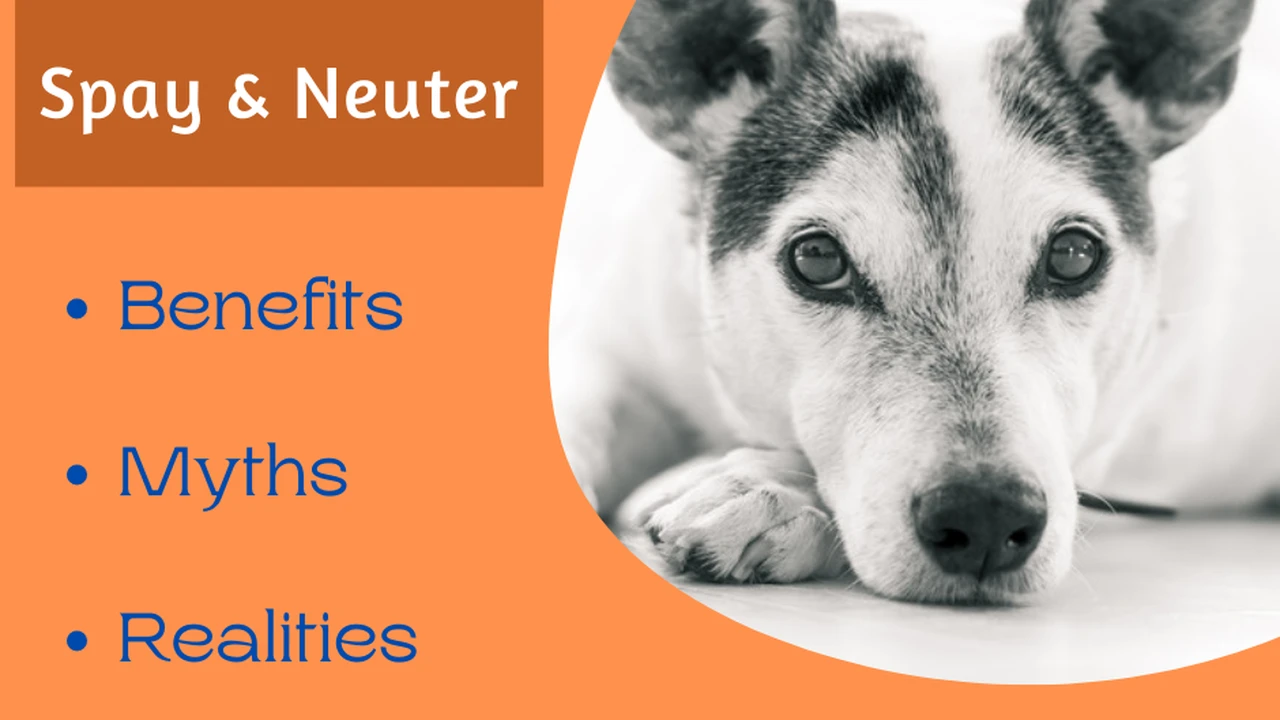
Spay and neuter benefits: understand the importance. Learn why these procedures are crucial for pet health.
Comparing Spay and Neuter Benefits
Hey there, fellow pet parents! Let's talk about something super important for our furry friends: spaying and neutering. You've probably heard these terms thrown around a lot, but do you really know what they mean and why they're such a big deal? Well, you're in the right place! We're going to dive deep into the world of spay and neuter, comparing the benefits, busting some myths, and even looking at some practical aspects like costs and recovery. This isn't just about preventing unwanted litters; it's about giving our pets the healthiest, happiest, and longest lives possible. So, grab a cup of coffee, and let's get started!
What is Spaying and Neutering Understanding the Procedures
First things first, let's clarify what we're talking about. Spaying is the surgical procedure for female animals, typically dogs and cats, where their ovaries and uterus are removed. The technical term for this is an ovariohysterectomy. It's a common procedure, and while it sounds intense, it's generally very safe when performed by a qualified veterinarian. For male animals, the procedure is called neutering, or castration. This involves the surgical removal of the testicles. Both procedures are routine and are performed under general anesthesia. Your vet will give you specific instructions for pre-operative care, like withholding food and water, and post-operative care, which usually involves keeping your pet calm and monitoring the incision site. It's a small investment of time and care for a lifetime of benefits.
Health Benefits for Female Pets Spaying Advantages
Let's kick things off with the amazing health benefits for our female companions. Spaying isn't just about preventing puppies or kittens; it's a game-changer for their long-term well-being. One of the biggest advantages is the complete elimination of the risk of uterine infections, known as pyometra. This is a serious, life-threatening condition that can be very expensive to treat and often requires emergency surgery. By spaying, you completely remove this threat. Another huge win is the significant reduction in the risk of mammary (breast) cancer. Studies show that if a female dog or cat is spayed before her first heat cycle, the risk of developing mammary tumors drops dramatically. These tumors can be aggressive and spread quickly, so prevention is key. Plus, no more messy heat cycles! This means no more attracting unwanted male attention, no more behavioral changes associated with estrus, and a much calmer home environment for everyone. Think about it: a healthier, happier pet and less stress for you. It's a win-win!
Health Benefits for Male Pets Neutering Advantages
Now, let's turn our attention to the boys. Neutering offers a fantastic array of health benefits for male dogs and cats too. The most obvious one is the elimination of the risk of testicular cancer, as the testicles are removed. This is a common cancer in older, unneutered males. Beyond that, neutering significantly reduces the risk of certain prostate problems, such as benign prostatic hyperplasia (enlarged prostate), which can cause discomfort and difficulty urinating as they age. It also helps prevent perianal tumors, which are growths around the anus that can be painful and sometimes cancerous. From a behavioral standpoint, neutering can make a huge difference. It often reduces aggressive tendencies, especially towards other males, and can curb the urge to roam in search of mates. This means less risk of your dog getting lost, hit by a car, or getting into fights. It can also decrease marking behavior (spraying urine) in cats, leading to a much more pleasant home environment. So, a calmer, healthier, and safer male pet is definitely something to aim for!
Behavioral Improvements Spaying and Neutering Impact
Beyond the physical health benefits, spaying and neutering can lead to some remarkable improvements in your pet's behavior, making them better companions and easier to live with. For females, as mentioned, spaying eliminates the heat cycle. This means no more howling, pacing, or nervous behavior associated with estrus. It also removes the strong scent that attracts intact males, preventing unwanted visitors to your yard and potential escapes. For males, neutering often reduces or eliminates behaviors driven by hormones. This includes a significant decrease in the urge to roam, which is a leading cause of lost pets and accidents. It can also lessen aggression towards other animals, especially other males, and reduce territorial marking (spraying urine) in both dogs and cats. While it's not a magic bullet for all behavioral issues, it certainly removes a major hormonal influence that can contribute to undesirable actions. A calmer, more focused pet is often the result, making training easier and your bond stronger. It's about creating a harmonious living situation for everyone.
Population Control and Community Impact Responsible Pet Ownership
This is where spaying and neutering truly shine as a cornerstone of responsible pet ownership and community welfare. The sad reality is that millions of unwanted animals end up in shelters every year, and many are euthanized due to overcrowding. By spaying or neutering your pet, you are directly contributing to reducing this tragic overpopulation crisis. One unspayed female cat and her offspring can produce thousands of kittens over just a few years! The numbers are staggering. Every pet that is spayed or neutered means fewer animals competing for limited resources in shelters, fewer strays on the streets, and ultimately, fewer animals suffering. It's a simple, effective, and humane way to make a massive positive impact on animal welfare in your community and beyond. When you choose to spay or neuter, you're not just helping your own pet; you're being a hero for countless others.
When to Spay or Neuter Optimal Timing Considerations
The question of when to spay or neuter is a common one, and the answer can vary slightly depending on the species, breed, and individual pet. Generally, most veterinarians recommend spaying or neutering between 4 and 6 months of age, before the animal reaches sexual maturity. For female dogs and cats, spaying before their first heat cycle offers the greatest protection against mammary cancer. For male dogs, neutering before they develop strong hormonal behaviors like marking or aggression can be beneficial. However, there's also a growing discussion about delaying neutering in some larger dog breeds, particularly males, to allow for full growth plate closure, which some studies suggest might reduce the risk of certain orthopedic issues or cancers later in life. This is a conversation you should definitely have with your veterinarian. They can assess your pet's individual health, breed, and lifestyle to recommend the optimal timing for their specific needs. There's no one-size-fits-all answer, but early discussion with your vet is always the best approach.
Potential Risks and Considerations Understanding the Downsides
While the benefits of spaying and neutering are extensive, it's also important to be aware of any potential risks or considerations, just like with any surgical procedure. The primary risks are those associated with general anesthesia, though these are very low in healthy animals. Your vet will perform a thorough pre-surgical exam and often recommend blood work to ensure your pet is a good candidate for anesthesia. Post-operative complications can include infection at the incision site, swelling, or discomfort, but these are usually manageable with proper care and medication. Some studies have explored potential links between spaying/neutering and certain health conditions, such as an increased risk of obesity (due to a slight decrease in metabolism, which can be managed with diet and exercise), or in some cases, certain types of cancer or orthopedic issues in specific breeds if done too early. However, it's crucial to weigh these potential, often rare, risks against the very common and severe risks of not spaying or neutering, such as pyometra, mammary cancer, testicular cancer, and the dangers associated with roaming and unwanted litters. Discussing these concerns with your vet will help you make an informed decision that's best for your pet.
Cost of Spaying and Neutering Financial Planning
Let's talk about the practical side: the cost. The price of spaying or neutering can vary quite a bit depending on your location, the type of veterinary clinic (private practice vs. low-cost clinic), your pet's species, size, age, and any additional services like pre-surgical blood work or pain medication. Generally, you can expect to pay anywhere from $50 to $500 or more. Low-cost spay/neuter clinics, often run by animal welfare organizations, can offer these procedures at a significantly reduced rate, sometimes as low as $50-$150, because their mission is population control. Private veterinary practices typically charge more, perhaps $200-$500+, as they often include more comprehensive pre-operative diagnostics, advanced anesthesia monitoring, and post-operative care. While it might seem like a significant upfront cost, consider it an investment. The cost of treating pyometra, mammary cancer, or injuries from fights or accidents (all more likely in unspayed/unneutered pets) can easily run into thousands of dollars. Many communities also offer financial assistance programs or vouchers to help make these procedures affordable for everyone. Don't let cost be a barrier to providing this essential care for your pet.
Recovery and Aftercare Ensuring a Smooth Healing Process
So, your pet has had their surgery – what now? Recovery and aftercare are crucial for a smooth healing process. Your vet will provide detailed instructions, but here's a general rundown. For the first 7-14 days, your pet will need to be kept calm and quiet. This means no jumping, running, or strenuous activity. Leash walks only for dogs, and keeping cats indoors. You'll need to monitor the incision site daily for any signs of redness, swelling, discharge, or opening. It's super important to prevent your pet from licking or chewing at the incision, as this can lead to infection or reopening the wound. This is where the dreaded E-collar (Elizabethan collar), often called the 'cone of shame,' comes in handy. While pets usually aren't thrilled about it, it's a necessary evil for proper healing. There are also soft cones or recovery suits available if your pet really struggles with the traditional plastic cone. Your vet will likely prescribe pain medication to keep your pet comfortable during recovery. Make sure to administer it as directed. Most pets bounce back quickly, but patience and adherence to your vet's instructions are key to a successful recovery. A follow-up visit might be scheduled to check the incision or remove sutures, depending on the type used.
Product Recommendations for Post Surgery Care Essential Items
To make your pet's recovery as comfortable and safe as possible, having the right products on hand is a lifesaver. Here are a few recommendations, comparing some popular options:
E Collars and Recovery Suits Preventing Licking and Chewing
- Traditional Plastic E-Collar: These are the classic 'cones of shame' provided by most vets. They are highly effective at preventing licking and chewing.
- Pros: Very effective, often provided by vet, durable.
- Cons: Can be cumbersome, obstruct vision, make eating/drinking difficult, some pets find them very stressful.
- Price Range: Usually included with surgery or $10-$30 if purchased separately.
- Soft E-Collar (e.g., Comfy Cone, Kong Cloud Collar): These are made from soft fabric or inflatable material, offering more comfort.
- Pros: More comfortable, less restrictive, allows better vision, easier for eating/drinking.
- Cons: May not be as effective for very determined lickers, can get dirty easily.
- Price Range: $20-$50.
- Recovery Suit (e.g., Suitical Recovery Suit, VetMedWear): These are full-body garments that cover the incision site, acting like a medical onesie.
- Pros: Allows full freedom of movement, no vision obstruction, comfortable, less stressful for many pets.
- Cons: Can be less effective for pets who chew through fabric, may need to be removed for potty breaks (depending on design), sizing can be tricky.
- Price Range: $25-$60.
Recommendation: For most pets, a recovery suit is often the most comfortable and least stressful option. However, if your pet is a persistent chewer, a soft E-collar might be a better compromise, or even a traditional cone if absolutely necessary. Always have one ready before surgery!
Comfort and Containment Creating a Safe Space
- Pet Crate or Playpen: Essential for keeping your pet calm and restricting movement during recovery.
- Pros: Provides a safe, confined space, prevents jumping/running, aids in house training.
- Cons: Some pets dislike confinement, requires proper sizing.
- Price Range: $40-$150 (depending on size and material).
- Orthopedic Pet Bed: A comfortable, supportive bed can make a huge difference for a recovering pet.
- Pros: Reduces pressure on joints, provides warmth and comfort, aids in restful sleep.
- Cons: Can be more expensive.
- Price Range: $30-$100+.
Recommendation: A properly sized pet crate is invaluable for recovery, especially for dogs. Pair it with a soft, comfortable bed for maximum coziness.
Wound Care and Hygiene Keeping the Incision Clean
- Pet-Safe Antiseptic Wipes (e.g., Vetericyn Plus All-Animal Wound & Skin Care): For gently cleaning around the incision if advised by your vet.
- Pros: Easy to use, gentle, helps prevent infection.
- Cons: Only use if specifically instructed by your vet.
- Price Range: $10-$20.
- Disposable Puppy Pads: Great for lining crates or bedding to catch any accidental leaks or discharge.
- Pros: Absorbent, easy to dispose of, keeps bedding clean.
- Cons: Not environmentally friendly, some pets may chew them.
- Price Range: $15-$30 for a large pack.
Recommendation: Always follow your vet's specific instructions for wound care. Having some puppy pads on hand is a good idea for general hygiene during recovery.
Remember, these are just general recommendations. Always consult with your veterinarian for personalized advice on post-operative care and product choices for your specific pet. They know your animal best and can guide you through a smooth and successful recovery!
:max_bytes(150000):strip_icc()/277019-baked-pork-chops-with-cream-of-mushroom-soup-DDMFS-beauty-4x3-BG-7505-5762b731cf30447d9cbbbbbf387beafa.jpg)