Comparing Sustainable Fishing vs Destructive Fishing
Sustainable fishing vs destructive fishing: understand the impact. Support ocean health.
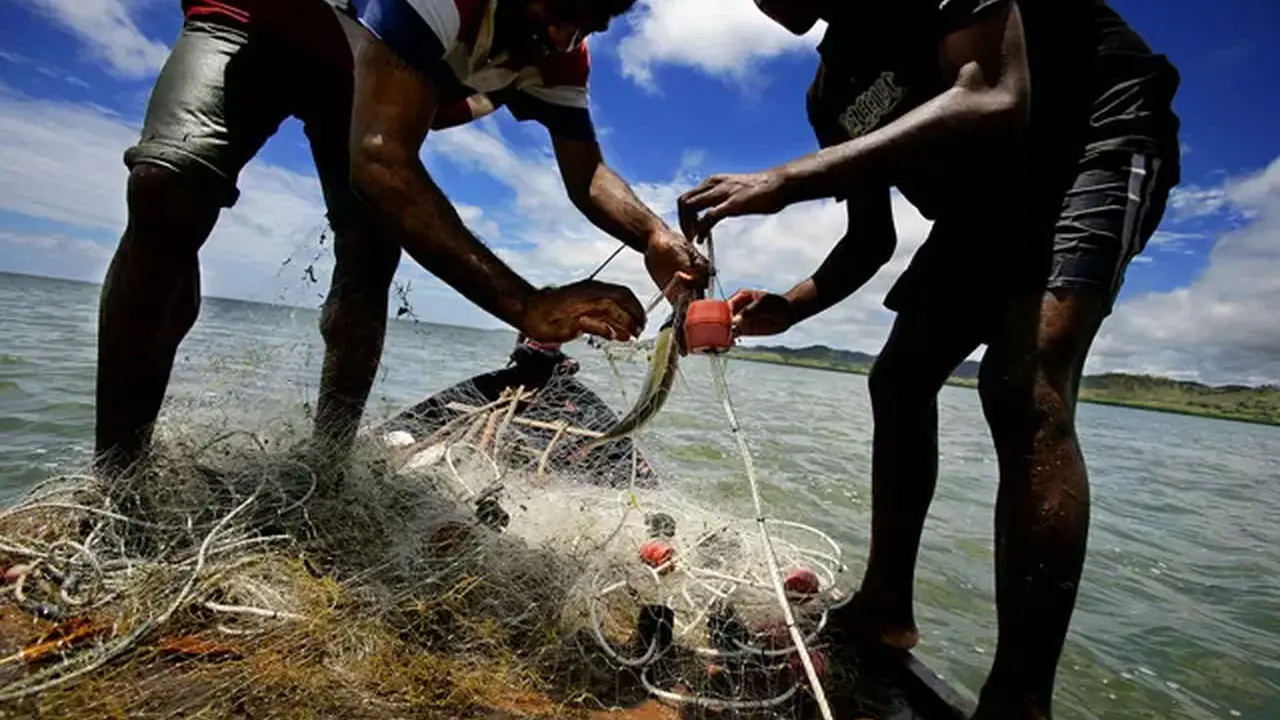
Sustainable fishing vs destructive fishing: understand the impact. Support ocean health.
Comparing Sustainable Fishing vs Destructive Fishing
Hey everyone! Let's dive deep into something super important for our oceans and the amazing creatures living in them: fishing practices. We're going to compare two very different approaches: sustainable fishing and destructive fishing. It's crucial to understand the impact of each, not just for marine life but also for the livelihoods of countless people and the health of our planet. So, grab a cup of coffee, and let's get into it!
What is Sustainable Fishing and Why Does it Matter for Marine Ecosystems?
First off, what exactly is sustainable fishing? Think of it as fishing smart. It's about catching fish in a way that ensures there are plenty left for future generations, both for the fish themselves to reproduce and for people to continue fishing. It's a long-term game plan that considers the entire marine ecosystem.
Key Principles of Sustainable Fishing Practices
- Targeting Specific Species: Sustainable fishing often focuses on catching specific species, avoiding bycatch (unintentionally catching other marine animals like dolphins, turtles, or non-target fish).
- Respecting Breeding Seasons and Sizes: Fishermen practicing sustainability know when fish are breeding and avoid fishing during those times. They also use gear that allows smaller, immature fish to escape, giving them a chance to grow and reproduce.
- Minimizing Habitat Damage: This is huge! Destructive fishing can literally tear up the seafloor. Sustainable methods aim to leave the marine environment as undisturbed as possible.
- Data Collection and Management: Good sustainable fisheries collect data on fish populations, catch rates, and environmental conditions. This information helps scientists and managers make informed decisions to keep fish stocks healthy.
- Fair Labor Practices: It's not just about the fish; it's about the people too. Sustainable fishing often goes hand-in-hand with ensuring fair wages and safe working conditions for fishers.
Benefits of Sustainable Fishing for Ocean Health and Coastal Communities
The upsides of sustainable fishing are massive. For starters, it helps maintain healthy fish populations, which means more food for us and a balanced ecosystem. It also supports the livelihoods of coastal communities that depend on fishing for their income. When fish stocks crash due to overfishing, these communities suffer immensely. Plus, healthy oceans are better at absorbing carbon dioxide, playing a role in fighting climate change. It's a win-win-win!
Understanding Destructive Fishing Methods and Their Environmental Impact
Now, let's talk about the dark side: destructive fishing. This is fishing that prioritizes short-term gain over long-term sustainability, often with devastating consequences for marine life and habitats.
Common Destructive Fishing Techniques and Their Damage to Marine Life
- Bottom Trawling: Imagine dragging a giant, heavy net across the seafloor. That's bottom trawling. It's like clear-cutting a forest, but underwater. It destroys coral reefs, sponges, and other vital habitats that many marine species rely on for food and shelter. The bycatch rates are also incredibly high.
- Blast Fishing (Dynamite Fishing): This is exactly what it sounds like. Fishermen use explosives to stun or kill fish, making them easy to collect. The problem? It indiscriminately kills everything in the blast radius, including non-target species, and utterly obliterates coral reefs and other delicate ecosystems. It's illegal in most places, but sadly, still happens.
- Cyanide Fishing: Primarily used to catch live fish for the aquarium trade or high-end restaurants, cyanide is sprayed onto coral reefs to stun fish. While it makes them easier to catch, it also poisons and kills the coral, leading to widespread reef degradation. Many of the fish caught this way also die shortly after due to the poisoning.
- Ghost Fishing Gear: This isn't a method per se, but a massive problem. Lost or abandoned fishing nets, lines, and traps continue to 'fish' indiscriminately for years, trapping and killing marine animals. This 'ghost gear' accounts for a significant portion of ocean plastic pollution.
- Overfishing: While not a specific technique, overfishing is a destructive practice where fish are caught faster than they can reproduce. This leads to declining fish stocks, ecosystem imbalance, and eventually, fishery collapse.
Long-Term Consequences of Destructive Fishing on Ocean Ecosystems and Biodiversity
The long-term effects are grim. Destructive fishing leads to a massive loss of biodiversity, as entire species can be wiped out or severely depleted. It degrades critical marine habitats, making it harder for any species to thrive. This can disrupt the entire food web, leading to cascading effects throughout the ecosystem. For example, if a certain type of fish is overfished, its predators might starve, and its prey might overpopulate, throwing everything out of whack. It also impacts the ocean's ability to provide essential services, like regulating climate and producing oxygen.
Identifying Sustainable Seafood Choices for Consumers and Businesses
So, what can we do about it? A lot, actually! As consumers, our choices have power. By choosing sustainable seafood, we send a clear message to the industry.
Certification Programs and Labels for Environmentally Friendly Seafood
Look for certifications! These labels are your best friends when trying to make sustainable choices. They indicate that the seafood you're buying has been caught or farmed responsibly.
- Marine Stewardship Council (MSC): This is one of the most widely recognized certifications for wild-caught seafood. The blue MSC label means the fish comes from a fishery that has been independently certified to meet their science-based standard for sustainable fishing. They assess fish stocks, environmental impact, and effective management.
- Aquaculture Stewardship Council (ASC): Similar to MSC, but for farmed seafood. The ASC label ensures that farmed seafood has been produced responsibly, minimizing environmental and social impacts.
- Monterey Bay Aquarium Seafood Watch: While not a certification label you'll find on packaging, Seafood Watch provides incredibly helpful recommendations. They have a traffic light system (Best Choices, Good Alternatives, Avoid) for various seafood types, often broken down by region and fishing method. You can download their app or check their website.
- Friend of the Sea: This certification covers both wild-caught and farmed seafood, ensuring sustainable practices and responsible aquaculture.
Practical Tips for Choosing Sustainable Fish and Shellfish at the Market
Beyond labels, here are some practical tips:
- Ask Questions: Don't be shy! Ask your fishmonger where the fish came from, how it was caught, and if it's considered sustainable. A good fishmonger should know this information.
- Know Your Species: Some species are inherently more sustainable than others. For example, smaller, fast-reproducing fish like sardines or mackerel are often better choices than large, long-lived predators like swordfish or bluefin tuna, which are more vulnerable to overfishing.
- Consider the Source: Wild-caught isn't always better than farmed, and vice-versa. It depends entirely on the specific fishery or farm. For example, farmed salmon can be problematic due to pollution and disease, but some closed-containment aquaculture systems are very sustainable.
- Look for Local: Buying local seafood can reduce your carbon footprint and support local economies. Just make sure the local fishery is also practicing sustainable methods.
- Avoid Endangered Species: This one's a no-brainer. Steer clear of any seafood from species that are listed as endangered or critically endangered.
Technological Innovations Supporting Sustainable Fisheries Management
Technology is playing a huge role in making fishing more sustainable. It's not just about old-school nets anymore!
GPS Tracking and Satellite Monitoring for Fishing Vessels
Imagine knowing exactly where every fishing boat is and what it's doing. GPS tracking and satellite monitoring systems are making this a reality. These technologies allow authorities to monitor fishing activity, ensure vessels are staying within designated fishing zones, and prevent illegal, unreported, and unregulated (IUU) fishing, which is a massive problem globally. Some systems even track catch data in real-time.
Improved Fishing Gear and Bycatch Reduction Devices
Engineers are constantly developing smarter fishing gear. This includes:
- Turtle Excluder Devices (TEDs): These are grids built into trawl nets that allow large animals like sea turtles to escape while still retaining the target catch.
- Bycatch Reduction Devices (BRDs): Similar to TEDs, BRDs are designed to allow non-target fish or other marine animals to escape from nets.
- Circle Hooks: These hooks are designed to reduce gut-hooking in fish and sea turtles, making it easier to release them unharmed.
- Acoustic Deterrent Devices (ADDs): These devices emit sounds to deter marine mammals like dolphins and porpoises from approaching fishing gear.
- Smart Baits and Lures: Research is ongoing into baits and lures that are more selective, attracting only the target species.
Data Analytics and AI for Fish Stock Assessment and Prediction
Big data and artificial intelligence are revolutionizing how we understand and manage fish stocks. Scientists can now analyze vast amounts of data from fishing vessels, environmental sensors, and satellite imagery to get a much clearer picture of fish populations, migration patterns, and ocean health. AI can help predict fish movements, identify areas of high bycatch risk, and even optimize fishing routes to reduce fuel consumption and environmental impact. This allows for more precise and adaptive management strategies.
Policy and Regulatory Frameworks for Promoting Responsible Fishing
While individual choices and technology are important, strong policies and regulations are absolutely essential to drive widespread change.
International Agreements and Regional Fisheries Management Organizations
The ocean doesn't respect national borders, so international cooperation is key. Agreements like the UN Fish Stocks Agreement and the Convention on Biological Diversity aim to promote sustainable use of marine resources. Regional Fisheries Management Organizations (RFMOs) are international bodies that manage fish stocks across large ocean areas, setting quotas, regulating gear, and monitoring compliance among member countries.
National Laws and Enforcement Mechanisms for Sustainable Fisheries
At the national level, countries implement their own laws and regulations to manage their fisheries. This includes setting catch limits (quotas), establishing marine protected areas (MPAs) where fishing is restricted or banned, regulating fishing gear, and implementing licensing systems. Effective enforcement, including patrols, inspections, and penalties for violations, is crucial to ensure these laws are followed.
The Role of Marine Protected Areas in Conserving Fish Stocks and Habitats
Marine Protected Areas (MPAs) are like national parks for the ocean. These designated areas restrict or prohibit certain activities, including fishing, to protect marine ecosystems and allow fish populations to recover. MPAs can act as nurseries, allowing fish to grow and reproduce, and then spill over into surrounding fishing grounds, benefiting both conservation and fisheries.
Case Studies of Successful Sustainable Fishing Initiatives Globally
It's not all doom and gloom! There are many inspiring examples of successful sustainable fishing initiatives around the world.
Alaskan Salmon Fishery A Model of Sustainable Management
The Alaskan salmon fishery is often cited as one of the best-managed and most sustainable fisheries globally. They have strict regulations on catch limits, gear types, and fishing seasons, all based on robust scientific data. The state constitution even mandates sustainable management. This long-term commitment has ensured healthy salmon populations for decades, supporting both the ecosystem and a thriving fishing industry.
Community-Based Fisheries Management in Southeast Asia
In many parts of Southeast Asia, local communities are taking the lead in managing their own fisheries. For example, in some areas of the Philippines and Indonesia, communities have established marine sanctuaries, implemented traditional fishing practices, and developed local rules to prevent overfishing. These community-led efforts often result in better compliance and more sustainable outcomes because the local people have a direct stake in the health of their marine resources.
The Rise of Sustainable Aquaculture Practices
Aquaculture, or fish farming, has a mixed reputation, but sustainable aquaculture is on the rise. Innovations like closed-containment systems for salmon farming, which prevent pollution and disease spread, and integrated multi-trophic aquaculture (IMTA), which mimics natural ecosystems by farming different species that feed off each other's waste, are showing great promise. For instance, some shrimp farms in Vietnam are adopting mangrove-friendly practices, integrating shrimp farming with mangrove restoration, which benefits both the environment and the local economy.
How Consumers Can Support Sustainable Fishing and Ocean Conservation
Your choices really do make a difference. Here's how you can be a part of the solution:
Making Informed Seafood Choices and Using Seafood Guides
As mentioned earlier, use those seafood guides! The Monterey Bay Aquarium Seafood Watch app is fantastic and easy to use. Check it before you buy or order seafood. Educate yourself on which species are sustainable in your region and which to avoid. Don't be afraid to ask questions at restaurants and grocery stores.
Supporting Organizations Dedicated to Ocean Conservation and Sustainable Fisheries
There are many incredible organizations working tirelessly to protect our oceans. Consider donating or volunteering for groups like the World Wildlife Fund (WWF), Oceana, Environmental Defense Fund (EDF), or local marine conservation groups. They advocate for stronger policies, conduct scientific research, and work directly with fishing communities to implement sustainable practices.
Reducing Plastic Consumption to Protect Marine Environments
This might seem unrelated to fishing, but it's hugely important. A significant portion of ocean plastic comes from discarded fishing gear, but single-use plastics from land also wreak havoc on marine life. Reducing your reliance on single-use plastics (bags, bottles, straws, packaging) helps prevent pollution that can harm fish, turtles, and marine mammals. Every piece of plastic you refuse is a win for the ocean.
Product Recommendations for Sustainable Seafood and Related Tools
Let's talk about some specific products and tools that can help you make more sustainable choices or support ocean health.
Sustainable Seafood Brands and Where to Find Them
When you're at the grocery store, look for these brands that often carry MSC or ASC certifications:
- Wild Planet Foods: They offer a range of sustainably caught canned tuna, salmon, sardines, and anchovies. Their tuna is pole & line caught, which significantly reduces bycatch compared to purse seine methods. You can find them in most major supermarkets like Whole Foods, Sprouts, and even conventional stores like Kroger or Safeway. Prices typically range from $3-$6 per can, depending on the product.
- Thrive Market (Online Retailer): This online membership-based retailer offers a wide selection of sustainable seafood, often with MSC or ASC certifications. They have everything from wild-caught salmon to scallops and shrimp. Their prices are competitive, especially if you buy in bulk, and they deliver right to your door.
- Vital Choice Wild Seafood & Organics: An online retailer specializing in premium, sustainably sourced wild seafood. They offer a subscription service and one-time purchases of items like wild Alaskan salmon, halibut, and tuna. Their products are often flash-frozen to maintain freshness. Expect higher prices, typically $15-$30+ per pound for fresh/frozen fillets, but the quality and sustainability are top-notch.
- Local Fish Markets: Don't underestimate your local fishmonger! Many smaller, independent markets prioritize sourcing from local, sustainable fisheries. Build a relationship with them and ask about their sourcing. Prices will vary widely based on location and season.
Eco-Friendly Fishing Gear for Recreational Anglers
If you're a recreational angler, you can also make a difference with your gear choices:
- Biodegradable Fishing Line: Brands like Biofil or Berkley Trilene XL (some lines are more biodegradable than others, check specifics) are developing lines that break down faster in the environment if lost, reducing ghost fishing. A 300-yard spool might cost $10-$20.
- Lead-Free Weights: Lead sinkers can poison wildlife if ingested. Opt for weights made from steel, bismuth, or tungsten. Brands like Water Gremlin offer lead-free options. A pack of assorted weights might be $5-$15.
- Circle Hooks: As mentioned, these reduce gut-hooking. Many brands like Mustad or Gamakatsu offer a wide range of circle hooks. A pack of 25 hooks can cost $5-$10.
- Reusable Lures and Tackle: Invest in durable, high-quality lures that will last, reducing the need for disposable plastics. Brands like Rapala or Mepps offer classic, long-lasting lures. Prices vary widely, from $5 to $20+ per lure.
- Fishing Line Recycling Programs: Many tackle shops and conservation organizations have collection bins for old fishing line. Look for these locally or check programs like the Monofilament Recovery & Recycling Program (MRRP).
Apps and Resources for Tracking Sustainable Seafood Choices
- Monterey Bay Aquarium Seafood Watch App: This is the gold standard. Free to download on iOS and Android. It provides up-to-date recommendations for seafood based on your location, species, and fishing method. Essential for anyone serious about sustainable seafood.
- FishWatch (NOAA Fisheries): A US government resource that provides science-based information on the sustainability of US fisheries. It's a great tool for understanding the science behind sustainable management. Free online resource.
- MSC & ASC Websites: Their websites allow you to search for certified products and learn more about the standards. Free online resources.
By understanding the differences between sustainable and destructive fishing, and by making conscious choices as consumers, we can all contribute to healthier oceans and a more sustainable future for marine life and the communities that depend on it. Every little bit helps, so let's keep learning and making those smart choices!
:max_bytes(150000):strip_icc()/277019-baked-pork-chops-with-cream-of-mushroom-soup-DDMFS-beauty-4x3-BG-7505-5762b731cf30447d9cbbbbbf387beafa.jpg)