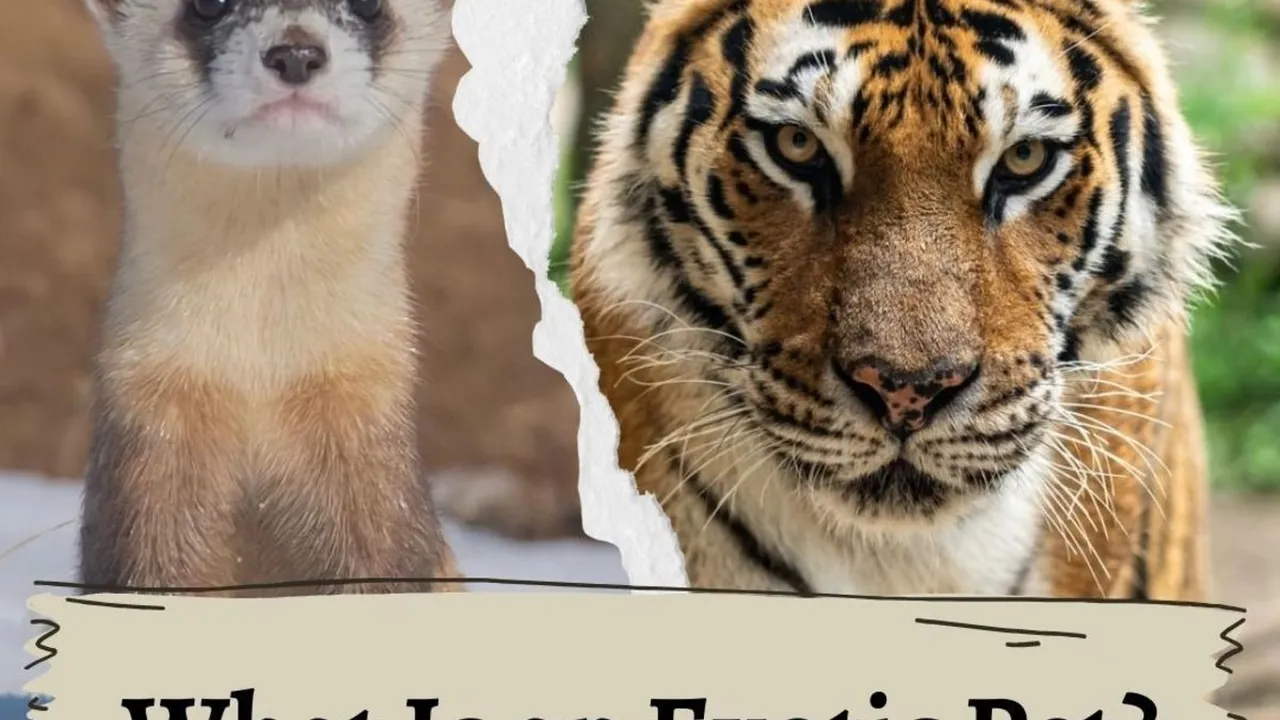
Comparing Zoos vs Wildlife Sanctuaries
Zoos vs wildlife sanctuaries: understand the differences. Learn about their roles in animal care.
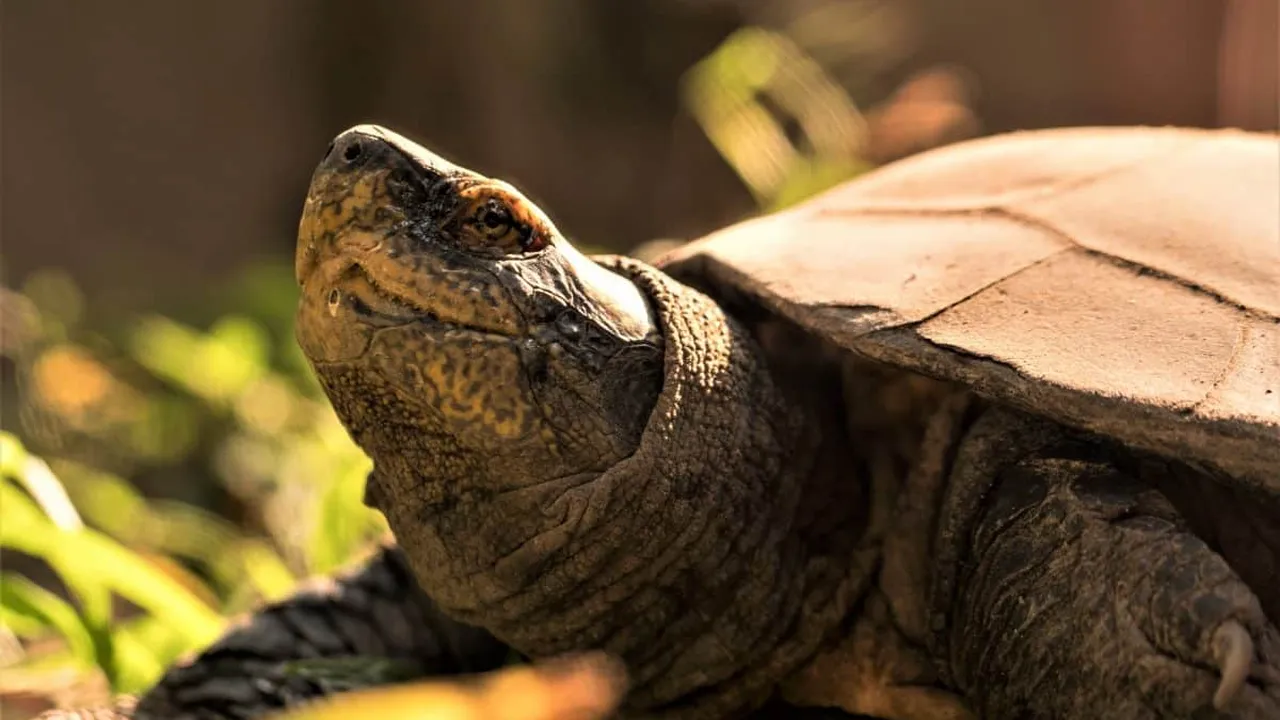
Zoos vs wildlife sanctuaries: understand the differences. Learn about their roles in animal care.
Zoos vs Wildlife Sanctuaries Understanding the Differences
Hey there, animal lovers! Ever wondered about the big difference between a zoo and a wildlife sanctuary? It's a question many of us ponder, especially when we're thinking about where to take our families or where to support animal conservation efforts. While both aim to care for animals and educate the public, their core missions, operational philosophies, and the types of animals they house can be vastly different. Let's dive deep into what sets them apart, explore their pros and cons, and help you decide which one aligns best with your values.
What is a Zoo Exploring Traditional Animal Parks
When you think of a zoo, what comes to mind? Probably a place with a wide variety of animals from all over the world, often housed in enclosures designed to mimic their natural habitats. Zoos have been around for centuries, evolving from royal menageries to modern institutions focused on conservation, research, and education. Their primary goal is often to display animals to the public, providing an opportunity for people to see creatures they might never encounter otherwise. This public display also serves as a platform for educating visitors about different species, their habitats, and the importance of wildlife conservation.
Modern zoos often participate in breeding programs for endangered species, aiming to increase populations and reintroduce animals into the wild. They also conduct scientific research to better understand animal behavior, health, and reproductive biology. Many zoos are accredited by organizations like the Association of Zoos and Aquariums (AZA) in the US, which sets high standards for animal care, welfare, and conservation efforts. These accreditations are crucial for ensuring that zoos are operating ethically and responsibly.
What is a Wildlife Sanctuary Understanding Animal Rescue Centers
Now, let's talk about wildlife sanctuaries. The name itself gives you a clue: 'sanctuary' implies a place of refuge and safety. Unlike zoos, the primary mission of a wildlife sanctuary is typically the rescue, rehabilitation, and lifelong care of animals that have been injured, orphaned, abused, or displaced. These animals often come from situations where they can no longer survive in the wild, or from illegal pet trade seizures, or even from defunct zoos and circuses. The focus is on the individual animal's welfare and providing them with a safe, naturalistic environment where they can live out their lives without the pressure of public performance or breeding programs.
Wildlife sanctuaries prioritize the animals' well-being above all else. Public access is often limited, and when it is allowed, it's usually in a way that minimizes stress to the animals. The goal isn't to display animals for entertainment, but to offer them a permanent home where they can recover and thrive. Many sanctuaries also engage in advocacy, working to change laws and public perceptions about animal exploitation. They often strive to create environments that are as close to the animals' natural habitats as possible, allowing them to exhibit natural behaviors.
Key Differences Zoos vs Sanctuaries Mission and Focus
The fundamental difference lies in their mission. Zoos, while increasingly focused on conservation, still largely operate with a public display and educational mandate. They often acquire animals through breeding programs, exchanges with other zoos, or sometimes from the wild for specific conservation purposes. Their collections are diverse, showcasing a wide range of species to educate the public about global biodiversity.
Sanctuaries, on the other hand, are driven by a rescue and welfare mission. They typically do not breed animals, nor do they buy, sell, or trade them. Every animal in a sanctuary has a story of hardship, and the sanctuary's role is to provide a safe haven. Their animal populations are usually a result of rescue efforts, focusing on animals that cannot be released back into the wild. This means you might see fewer species overall, but each animal's story is often deeply impactful.
Animal Welfare and Enclosures Comparing Living Conditions
This is where the debate often gets heated. Modern, accredited zoos invest heavily in creating large, complex enclosures that aim to replicate natural habitats, complete with enrichment programs to stimulate the animals mentally and physically. They employ veterinarians, nutritionists, and animal behaviorists to ensure optimal care. However, even the best zoo enclosure can't fully replicate the vastness and complexity of a wild habitat. Animals in zoos are still, to some extent, confined for public viewing.
Sanctuaries, especially those that are truly ethical, prioritize spacious, naturalistic habitats that allow animals to roam and behave as naturally as possible, often with minimal human interference. The focus is on providing a permanent, stress-free home. For example, a tiger sanctuary might have acres of forested land for its residents, rather than a smaller, albeit well-designed, exhibit. The goal is not to put animals on display, but to give them peace and dignity. This often means that animals might be harder to spot, as they are given the space to retreat and hide if they choose.
Conservation Efforts Zoos and Sanctuaries Contributions
Both zoos and sanctuaries contribute to conservation, but in different ways. Zoos are often at the forefront of species-specific conservation programs, including captive breeding, genetic research, and reintroduction efforts. They raise significant funds for in-situ (in the wild) conservation projects globally. For example, many zoos contribute to programs protecting rhinos, elephants, and various bird species in their native habitats.
Sanctuaries contribute by providing a safe haven for individual animals, preventing them from being exploited or suffering further. They also play a crucial role in public education about the illegal wildlife trade, responsible pet ownership, and the ethical treatment of animals. By taking in animals that would otherwise be euthanized or continue to suffer, they free up resources for other conservation efforts and reduce the demand for exotic pets. Some sanctuaries also participate in advocacy and policy change, working to strengthen animal protection laws.
Ethical Considerations Weighing the Pros and Cons
The ethics of zoos are a long-standing debate. Proponents argue that zoos are vital for conservation, education, and research, and that they provide a safe environment for animals that might otherwise face extinction or harsh conditions in the wild. They highlight the role of zoos in inspiring future conservationists and connecting urban populations with nature.
Critics argue that even the best zoos cannot provide an adequate life for wild animals, that confinement leads to stress and abnormal behaviors (stereotypies), and that the educational value is often overshadowed by the entertainment aspect. They question whether displaying animals for human amusement is truly ethical, even with conservation goals.
Sanctuaries generally face fewer ethical criticisms, especially those that adhere to strict non-breeding, no-contact policies. The main ethical consideration for sanctuaries is ensuring they are truly sanctuaries and not just glorified zoos or roadside attractions masquerading as rescue centers. A true sanctuary prioritizes the animal's welfare above all else, including visitor experience or profit.
How to Identify a Reputable Sanctuary or Zoo Tips for Visitors
So, how do you know if a place is truly ethical and reputable? Here are some tips:
For Zoos Look for Accreditation and Transparency
- Accreditation: In the US, look for accreditation by the AZA (Association of Zoos and Aquariums). In Europe, EAZA (European Association of Zoos and Aquaria) is the standard. These organizations have rigorous standards for animal care, veterinary programs, conservation, and education.
- Enclosure Size and Complexity: Do the animals have ample space? Are there natural elements, hiding spots, and enrichment activities? Look for signs of stereotypic behavior (pacing, swaying) which can indicate stress.
- Conservation Programs: Does the zoo clearly outline its conservation efforts, both in-situ and ex-situ? Are they transparent about their breeding programs and how they contribute to species survival plans?
- Educational Focus: Is there a strong emphasis on education, with informative signage, educational programs, and staff who can answer questions knowledgeably?
- Animal Acquisition: Reputable zoos acquire animals through ethical breeding programs or rescue, not from the wild unless for specific, approved conservation purposes.
For Sanctuaries Look for True Non Exploitation
- No Breeding: A true sanctuary does not breed animals. Their focus is on providing a permanent home for existing animals.
- No Public Contact: Ethical sanctuaries generally do not allow direct public contact with animals (e.g., petting, riding, feeding by visitors), as this can be stressful for the animals and compromise their wild instincts.
- No Performing Animals: Animals in sanctuaries are not made to perform tricks or participate in shows for entertainment.
- Naturalistic Habitats: Look for large, naturalistic enclosures that prioritize the animals' well-being and allow them to exhibit natural behaviors, with plenty of privacy.
- Transparency: Reputable sanctuaries are transparent about their funding, animal acquisition, and care practices. They should be able to tell you the story of each animal.
- Accreditation/Verification: While less common than for zoos, some sanctuary-specific accreditations exist (e.g., Global Federation of Animal Sanctuaries - GFAS).
Supporting Animal Welfare Making Informed Choices
Ultimately, the choice of whether to visit or support a zoo or a sanctuary depends on your personal values and what you hope to achieve. If you're passionate about species-level conservation, scientific research, and broad public education, an accredited zoo might be your choice. If your priority is the welfare of individual animals, providing a safe haven for those who have suffered, and advocating against exploitation, then a true wildlife sanctuary is likely more aligned with your goals.
Many people choose to support both, recognizing that both types of institutions can play a role in animal welfare and conservation, albeit with different approaches. The most important thing is to do your research and ensure that any organization you support is genuinely committed to the well-being of animals and operates with transparency and ethical practices.
When considering donations or visits, always check their websites, read reviews, and look for independent verification of their claims. Your support, whether financial or through advocacy, can make a real difference in the lives of animals.
Recommended Products and Services for Animal Enthusiasts
For those looking to support animal welfare from home or enhance their understanding, here are a few recommendations:
Books and Documentaries Deepening Your Knowledge
- Book: 'The Soul of an Octopus' by Sy Montgomery: This book offers a fascinating look into the intelligence and emotional lives of octopuses, challenging perceptions about animal consciousness. It's a great read for anyone interested in marine life and animal sentience.
- Documentary: 'My Octopus Teacher' (Netflix): An incredibly moving film about the bond between a filmmaker and an octopus in a South African kelp forest. It highlights the beauty of marine ecosystems and the importance of protecting them.
- Book: 'Gorillas in the Mist' by Dian Fossey: A classic for wildlife enthusiasts, detailing Fossey's groundbreaking work with mountain gorillas and her fight for their conservation. It's a powerful story of dedication and advocacy.
- Documentary Series: 'Our Planet' (Netflix): Narrated by David Attenborough, this series showcases the incredible diversity of life on Earth and the urgent need for conservation. Visually stunning and highly educational.
Ethical Wildlife Tourism Operators Responsible Travel
If you're planning to visit wildlife in their natural habitats, choosing ethical tour operators is crucial. Here are some examples of what to look for and some reputable types of organizations:
- World Wildlife Fund (WWF) Eco-Tours: While WWF doesn't directly operate tours, they often partner with reputable eco-tourism companies that adhere to strict conservation guidelines. Look for tours that explicitly state their commitment to minimal impact and direct contributions to local conservation.
- National Geographic Expeditions: Known for their high standards, National Geographic offers expeditions that prioritize responsible travel, local engagement, and educational experiences, often with expert guides. These trips are typically higher priced, ranging from $5,000 to $20,000+ depending on duration and destination, but offer unparalleled access and ethical assurance.
- Local, Certified Eco-Tourism Operators: In places like Costa Rica, Borneo, or the Amazon, look for local operators certified by organizations like the Global Sustainable Tourism Council (GSTC). These operators often focus on small group sizes, employ local guides, and directly support community and conservation projects. Prices vary widely but expect to pay a premium for truly ethical experiences, perhaps $100-$500 per day for multi-day tours.
- African Safari Companies with Conservation Focus: Companies like "Great Plains Conservation" or "Wilderness Safaris" in Africa are known for their luxury safaris that directly fund vast conservation areas and community development. These are often very high-end, with prices starting from $1,000 per person per night, but a significant portion goes back into protecting the wildlife you're viewing.
Donation Platforms and Animal Sponsorship Programs Direct Impact
Want to make a direct impact? Sponsoring an animal or donating to reputable organizations is a great way to contribute.
- WWF Adopt an Animal Program: For around $55-$100, you can "adopt" an endangered animal (like a tiger, panda, or elephant). You receive a plush toy, photo, and adoption certificate. While you don't get to take the animal home, your donation directly supports WWF's global conservation efforts for that species.
- Sheldrick Wildlife Trust (Kenya) Elephant Orphan Adoption: For about $50 per year, you can adopt an orphaned elephant or rhino. You receive monthly updates, photos, and access to a private fostering page. This is a fantastic way to support individual animal rehabilitation and eventual reintroduction.
- Best Friends Animal Society (USA) Sponsorship: This large US sanctuary offers various ways to donate and sponsor animals, from cats and dogs to horses and pigs. Donations can be one-time or recurring, directly supporting the care of animals at their sanctuary.
- Global Federation of Animal Sanctuaries (GFAS) Donations: GFAS is an accrediting body for animal sanctuaries worldwide. Donating to GFAS helps them support and certify ethical sanctuaries, ensuring your money goes to truly reputable organizations.
Remember, every little bit helps, whether it's educating yourself, choosing responsible tourism, or directly supporting organizations that align with your values. Let's all work together to ensure a better future for animals, both wild and rescued.
:max_bytes(150000):strip_icc()/277019-baked-pork-chops-with-cream-of-mushroom-soup-DDMFS-beauty-4x3-BG-7505-5762b731cf30447d9cbbbbbf387beafa.jpg)