Top 4 Wildlife Conservation Projects in Southeast Asia
Find the top 4 wildlife conservation projects in Southeast Asia. Learn about local efforts.
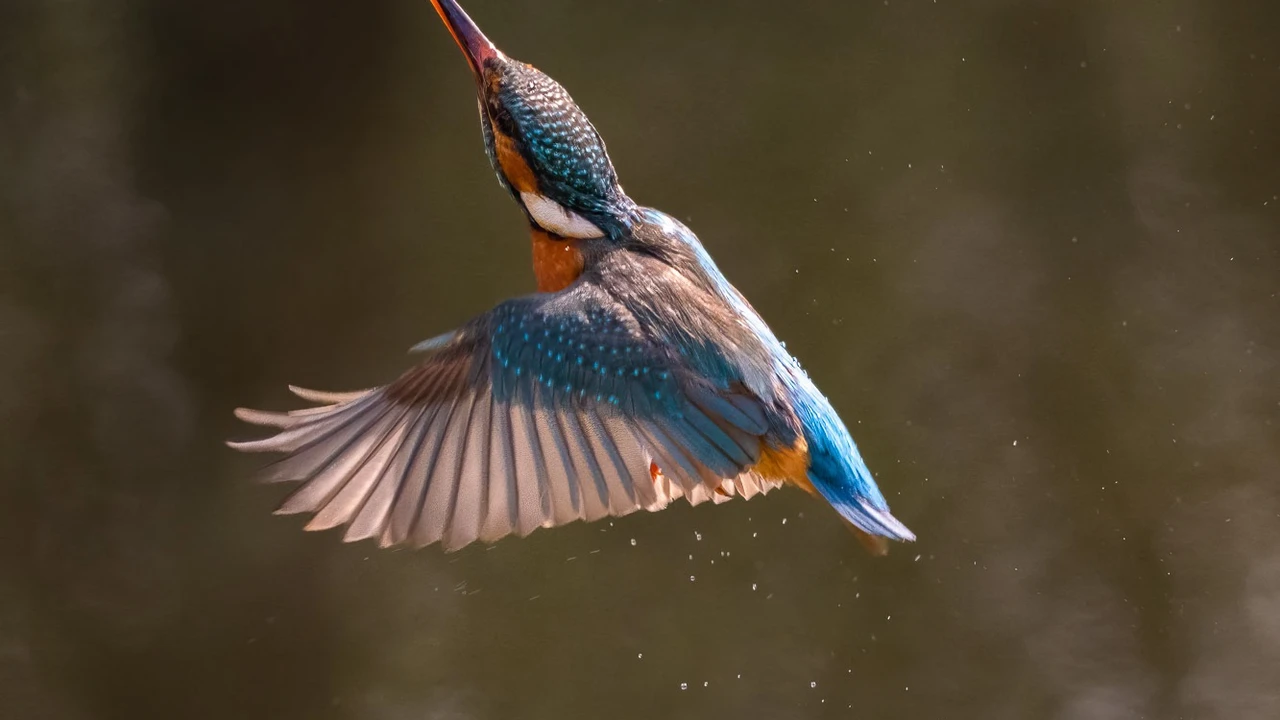
Find the top 4 wildlife conservation projects in Southeast Asia. Learn about local efforts.
Top 4 Wildlife Conservation Projects in Southeast Asia
Southeast Asia, a region of breathtaking biodiversity, is unfortunately also a hotspot for wildlife crime, habitat destruction, and climate change impacts. From the majestic tigers of Sumatra to the vibrant coral reefs of the Philippines, countless species face existential threats. Thankfully, dedicated individuals and organizations are working tirelessly to protect these precious ecosystems and their inhabitants. This article dives deep into four exemplary wildlife conservation projects across Southeast Asia, highlighting their crucial work, the challenges they face, and how you can contribute to their success. We'll explore their unique approaches, compare their impact, and even suggest some ways you can get involved, whether through donations, volunteering, or simply spreading awareness.
1. The Sumatran Orangutan Conservation Programme SOCP Protecting Great Apes
The Sumatran Orangutan Conservation Programme (SOCP) is a shining example of dedicated conservation efforts focused on one of the world's most iconic and critically endangered great apes: the Sumatran orangutan. These intelligent, tree-dwelling primates are found only on the island of Sumatra, Indonesia, and their populations have plummeted due to deforestation for palm oil plantations, logging, and illegal wildlife trade. SOCP's work is multi-faceted, addressing various aspects of orangutan conservation.
Rescue and Rehabilitation for Sumatran Orangutans
One of SOCP's core activities is the rescue and rehabilitation of orangutans that have been displaced, injured, or orphaned due to human activities. Their dedicated team, often working in challenging conditions, rescues orangutans from plantations, illegal pet trade, and areas affected by habitat loss. These rescued individuals are then brought to SOCP's rehabilitation center, where they receive expert veterinary care, nutrition, and behavioral training. The goal is always to prepare them for a return to the wild, a process that can take many years and significant resources. The center provides a safe haven where orangutans can recover from trauma, learn essential survival skills, and gradually re-acclimate to a natural environment.
Reintroduction to the Wild for Endangered Species
Once an orangutan is deemed fit for release, SOCP undertakes the complex and delicate process of reintroduction. This involves selecting suitable release sites in protected forests, often far from human settlements, and carefully monitoring the orangutans after their release. The success of these reintroductions is vital for bolstering wild populations and establishing new, viable groups. SOCP has successfully reintroduced hundreds of orangutans, contributing significantly to the species' survival. This process is not without its challenges, requiring extensive planning, logistical support, and ongoing scientific research to ensure the best possible outcomes for the released animals.
Habitat Protection and Restoration for Biodiversity
Beyond individual orangutan care, SOCP is deeply involved in protecting and restoring the orangutans' natural habitat. This includes working with local communities and government agencies to prevent illegal logging, combat deforestation, and promote sustainable land use practices. They also engage in reforestation efforts, planting native trees to expand and connect fragmented forest areas. Protecting the forest is paramount, as it provides not only food and shelter for orangutans but also countless other species, contributing to the overall biodiversity of the region. Their efforts extend to advocating for stronger environmental policies and raising awareness about the importance of preserving these critical ecosystems.
Community Engagement and Education for Conservation
SOCP recognizes that long-term conservation success depends on the active involvement of local communities. They conduct extensive education programs to raise awareness about orangutan conservation, the importance of forests, and the negative impacts of illegal activities. By empowering local people and providing alternative livelihoods, SOCP aims to foster a sense of ownership and responsibility for conservation efforts. This community-based approach is crucial for creating sustainable solutions that benefit both people and wildlife. They often employ local residents, providing economic opportunities that are directly linked to conservation.
How to Support SOCP Donations and Volunteering
Supporting SOCP's vital work is straightforward. You can make a direct donation through their website, which goes towards funding rescue operations, rehabilitation costs, forest protection, and community programs. For those seeking a more hands-on experience, SOCP occasionally offers volunteer opportunities, though these are often highly competitive and require specific skills. However, even spreading awareness about their work on social media or through conversations can make a significant difference. Every little bit helps in the fight to save the Sumatran orangutan.
2. The Philippine Eagle Foundation PEF Saving the National Bird
The Philippine Eagle Foundation (PEF) is dedicated to the conservation of the magnificent Philippine Eagle, one of the largest and most powerful forest raptors in the world. Endemic to the Philippines, this critically endangered bird is a national symbol, yet its survival is threatened by habitat loss, hunting, and illegal trade. PEF's comprehensive approach combines captive breeding, rehabilitation, research, and community engagement to ensure the future of this iconic species.
Captive Breeding Program for Philippine Eagles
At the heart of PEF's efforts is its highly successful captive breeding program. The foundation operates a breeding center where Philippine Eagles are carefully paired and encouraged to reproduce. This program is crucial for increasing the population of these rare birds and maintaining genetic diversity. The chicks born in captivity are meticulously cared for, with the ultimate goal of reintroducing them into the wild. This process is incredibly challenging, requiring specialized knowledge and a deep understanding of eagle behavior. The PEF has achieved significant milestones in captive breeding, providing a lifeline for the species.
Rehabilitation and Release of Injured Eagles
PEF also plays a critical role in rescuing and rehabilitating injured or orphaned Philippine Eagles. These birds, often victims of illegal hunting or habitat destruction, receive expert veterinary care and rehabilitation at the foundation's center. The aim is to restore them to full health and release them back into their natural habitat. Each release is a momentous occasion, representing a step forward in the fight to save the species. The rehabilitation process can be lengthy and demanding, requiring patience and dedication from the PEF team.
Research and Monitoring of Wild Populations
Understanding the Philippine Eagle's ecology and behavior in the wild is essential for effective conservation. PEF conducts extensive research and monitoring of wild populations, using techniques such as satellite tagging to track their movements, identify critical habitats, and assess population health. This scientific data informs their conservation strategies and helps to identify areas where intervention is most needed. Their research also extends to understanding the threats faced by the eagles and developing strategies to mitigate them.
Forest Protection and Reforestation Initiatives
The Philippine Eagle relies on old-growth forests for its survival. PEF works tirelessly to protect these remaining forest fragments and to restore degraded areas through reforestation initiatives. They collaborate with local communities, indigenous groups, and government agencies to establish protected areas and promote sustainable forest management. Their efforts are not just about the eagles; they also benefit countless other species that share the same habitat. The foundation actively engages in tree-planting activities, often involving local schools and communities, to foster a sense of environmental stewardship.
Community Education and Livelihood Programs
Similar to SOCP, PEF places a strong emphasis on community engagement. They conduct educational campaigns to raise awareness about the Philippine Eagle and its importance to the ecosystem. They also implement livelihood programs that provide alternative income sources for local communities, reducing their reliance on activities that harm the forest and its wildlife. By empowering communities, PEF aims to create a shared responsibility for conservation. These programs often focus on sustainable agriculture, ecotourism, and handicrafts, providing economic alternatives that align with conservation goals.
How to Support PEF Adopt an Eagle or Donate
You can support PEF by adopting a Philippine Eagle, which helps to cover the costs of their care and conservation efforts. Donations are also crucial and can be made directly through their website. PEF also offers merchandise, the proceeds of which go directly to their conservation programs. Visiting their center in Davao City, if you are in the Philippines, is another way to learn more and show your support. Every contribution, big or small, helps to ensure the survival of this magnificent bird.
3. Freeland Foundation Combating Wildlife Trafficking
The Freeland Foundation stands out for its relentless fight against wildlife trafficking, a multi-billion dollar illegal industry that devastates wildlife populations across Southeast Asia and beyond. Freeland's approach is comprehensive, tackling trafficking at every stage, from prevention and enforcement to prosecution and demand reduction. Their work is critical in protecting species from elephants and pangolins to tigers and exotic birds.
Law Enforcement Training and Capacity Building
Freeland works closely with law enforcement agencies across Southeast Asia, providing specialized training and capacity building to combat wildlife crime. This includes training on identifying trafficked species, investigating illegal networks, and gathering evidence for successful prosecutions. By strengthening the capabilities of law enforcement, Freeland helps to disrupt trafficking routes and bring criminals to justice. They also provide equipment and resources to frontline officers, enhancing their ability to intercept illegal wildlife products.
Intelligence Gathering and Investigations
A key component of Freeland's strategy is intelligence gathering and conducting covert investigations into wildlife trafficking networks. Their team of experts works to identify key players, track illegal trade routes, and uncover the methods used by traffickers. This intelligence is then shared with law enforcement, leading to arrests and seizures of illegal wildlife products. Their investigative work is often dangerous and requires a high level of expertise and discretion.
Demand Reduction Campaigns for Wildlife Products
Freeland recognizes that to effectively combat wildlife trafficking, it's essential to reduce the demand for illegal wildlife products. They conduct targeted public awareness campaigns, particularly in consumer countries, to educate people about the devastating impact of wildlife trade and to discourage the purchase of such items. These campaigns often highlight the cruelty involved in the trade and the threat it poses to endangered species. They use various media channels, including social media, to reach a wide audience and change consumer behavior.
Policy Advocacy and Legal Reform
Freeland actively engages in policy advocacy, working with governments to strengthen wildlife protection laws and improve enforcement mechanisms. They provide expert advice on legal reforms and push for stricter penalties for wildlife criminals. By advocating for stronger legal frameworks, Freeland aims to create a more hostile environment for traffickers and deter future crimes. Their legal team works tirelessly to ensure that existing laws are effectively implemented and that new legislation is introduced where necessary.
Rehabilitation and Sanctuary for Rescued Animals
While their primary focus is on combating trafficking, Freeland also plays a role in the care of animals rescued from the illegal trade. They support rehabilitation centers and sanctuaries that provide a safe haven for these animals, offering them veterinary care, proper nutrition, and a chance to recover from their ordeal. For animals that cannot be released back into the wild, these sanctuaries provide a permanent home. They collaborate with other organizations to ensure that rescued animals receive the best possible care and a chance at a better life.
How to Support Freeland Report Wildlife Crime and Donate
The most direct way to support Freeland is to report any suspected wildlife crime you encounter. Their website provides information on how to do this safely and effectively. Financial donations are also crucial for funding their investigations, training programs, and advocacy work. You can also follow them on social media to stay informed about their campaigns and share their messages to raise awareness. Every action, from reporting a crime to making a donation, contributes to their critical mission.
4. Marine Megafauna Foundation MMF Protecting Ocean Giants
The Marine Megafauna Foundation (MMF) is dedicated to researching and conserving the ocean's largest and most vulnerable marine animals, including whale sharks, manta rays, and various species of whales and dolphins. Their work spans across Southeast Asia, particularly in regions like Indonesia and the Philippines, where these magnificent creatures face threats from overfishing, habitat degradation, and plastic pollution. MMF's approach combines scientific research, community engagement, and policy advocacy to create lasting change.
Scientific Research and Monitoring of Marine Megafauna
MMF conducts cutting-edge scientific research to understand the biology, ecology, and behavior of marine megafauna. This includes tracking their movements, studying their feeding habits, and assessing population health. Their research provides crucial data that informs conservation strategies and helps to identify critical habitats that need protection. They use various techniques, including photo identification, satellite tagging, and genetic analysis, to gather comprehensive data on these elusive creatures. Their findings are often published in peer-reviewed journals, contributing to the global understanding of marine ecosystems.
Community Based Conservation Initiatives
MMF strongly believes in empowering local communities to become stewards of their marine environment. They work with coastal communities to develop sustainable tourism practices, reduce destructive fishing methods, and promote marine protected areas. By involving local people in conservation efforts, MMF aims to create a sense of ownership and ensure the long-term success of their programs. They often provide training and resources to local fishermen, helping them transition to more sustainable livelihoods that benefit both their families and the marine environment.
Policy Advocacy for Marine Protection
MMF actively engages in policy advocacy, working with governments and international bodies to strengthen marine protection laws and establish new marine protected areas. They use their scientific research to inform policy decisions and advocate for measures that protect marine megafauna from threats like overfishing and plastic pollution. Their advocacy efforts are crucial for creating a supportive legal and regulatory framework for marine conservation. They participate in international conferences and collaborate with other NGOs to amplify their voice and influence policy at a global level.
Education and Outreach Programs for Ocean Awareness
Raising public awareness about the importance of marine conservation is a core part of MMF's mission. They conduct extensive education and outreach programs, targeting both local communities and international audiences. These programs highlight the threats faced by marine megafauna and encourage responsible behavior, such as reducing plastic consumption and supporting sustainable seafood choices. They use engaging educational materials, documentaries, and social media campaigns to reach a wide audience and inspire action. Their educational initiatives often involve school children, fostering a new generation of ocean advocates.
Sustainable Tourism Development and Guidelines
Recognizing the growing popularity of marine tourism, MMF works to develop and promote sustainable tourism guidelines. This ensures that interactions with marine megafauna, such as swimming with whale sharks or manta rays, are conducted in a responsible manner that minimizes disturbance to the animals. They train tour operators and guides on best practices, helping to create a positive impact from tourism while protecting the wildlife. They also advocate for regulations that limit the number of tourists and ensure that interactions are respectful and non-intrusive.
How to Support MMF Volunteer or Donate
You can support MMF by making a donation through their website, which directly funds their research, conservation programs, and advocacy efforts. For those with a passion for marine life, MMF offers volunteer opportunities, often involving fieldwork and data collection in stunning marine environments. You can also follow their social media channels to stay updated on their work and share their messages to raise awareness about marine conservation. Every contribution helps to protect these magnificent ocean giants and their vital habitats.
Comparing the Impact and Focus of These Projects
While all four projects are dedicated to wildlife conservation in Southeast Asia, they each have distinct focuses and approaches. SOCP and PEF are species-specific, concentrating their efforts on the Sumatran orangutan and Philippine Eagle, respectively. Their work involves direct intervention through rescue, rehabilitation, and reintroduction, alongside habitat protection and community engagement. Freeland, on the other hand, tackles the systemic issue of wildlife trafficking, working across multiple species and focusing on law enforcement, intelligence, and demand reduction. MMF is focused on marine megafauna, employing scientific research, community-based conservation, and policy advocacy to protect ocean giants. Each project addresses a critical aspect of conservation, and their combined efforts create a more robust and comprehensive approach to protecting Southeast Asia's incredible biodiversity.
The challenges faced by these organizations are immense, ranging from widespread habitat destruction and illegal poaching to limited resources and political complexities. However, their dedication and innovative strategies offer hope for the future of wildlife in the region. By understanding their work and supporting their initiatives, we can all play a part in safeguarding these precious natural treasures for generations to come.
Recommended Products and Services for Supporting Conservation
Beyond direct donations, there are many products and services that can help support wildlife conservation projects, either directly or indirectly. Here are a few recommendations, along with their typical price ranges and usage scenarios:
1. Sustainable Palm Oil Products Supporting Orangutan Habitats
Product Type: Everyday groceries (food, cosmetics, cleaning products)
Usage Scenario: When shopping for products that contain palm oil, choose brands that use certified sustainable palm oil (CSPO). Organizations like the Roundtable on Sustainable Palm Oil (RSPO) certify palm oil that is produced without contributing to deforestation or habitat destruction. This directly impacts projects like SOCP by reducing the demand for unsustainably sourced palm oil.
Comparison:
- Certified Sustainable Palm Oil (CSPO) Products: Look for the RSPO label. Brands like Unilever (for some products), Nestlé (for some products), and many organic brands are making efforts. Prices are often comparable to conventional products, sometimes slightly higher due to certification costs.
- Conventional Palm Oil Products: Often cheaper, but contribute to deforestation and habitat loss.
Typical Price Range: Varies widely depending on the product, but generally comparable to non-sustainable alternatives. A jar of sustainable peanut butter might be $4-7, while a sustainable soap bar could be $3-6.
2. Eco-Friendly Travel Gear for Responsible Tourism
Product Type: Backpacks, water bottles, clothing, toiletries
Usage Scenario: When traveling, especially to biodiverse regions like Southeast Asia, using eco-friendly gear minimizes your environmental footprint. This supports the broader goals of organizations like MMF and PEF by promoting responsible tourism and reducing pollution.
Comparison:
- Recycled Material Backpacks: Brands like Patagonia, Osprey, and Fjallraven offer durable backpacks made from recycled plastics. They are often more expensive but last longer.
- Reusable Water Bottles: Hydro Flask, Klean Kanteen, and Nalgene are popular choices. Prices range from $15-50.
- Biodegradable Toiletries: Brands like Dr. Bronner's and Ethique offer solid shampoo bars and soaps that reduce plastic waste and are safe for the environment. Prices typically $10-20 per bar.
Typical Price Range: Backpacks ($100-300), Water Bottles ($15-50), Toiletries ($10-25).
3. Certified Sustainable Seafood Supporting Marine Conservation
Product Type: Fish and seafood products
Usage Scenario: When purchasing seafood, look for certifications from organizations like the Marine Stewardship Council (MSC) or the Aquaculture Stewardship Council (ASC). This ensures that the seafood was caught or farmed in a way that minimizes environmental impact and supports healthy ocean ecosystems, aligning with MMF's goals.
Comparison:
- MSC Certified Wild-Caught Seafood: Indicates sustainable fishing practices. Brands like Trader Joe's and Whole Foods Market often carry MSC-certified products. Prices can be slightly higher than uncertified options.
- ASC Certified Farmed Seafood: Indicates responsible aquaculture.
- Uncertified Seafood: May contribute to overfishing and habitat destruction.
Typical Price Range: Varies greatly by species and market, but expect to pay a slight premium (5-15%) for certified products. A pound of certified salmon might be $12-20.
4. Ethical Wildlife Photography Tours Supporting Responsible Practices
Product Type: Travel experiences
Usage Scenario: If you're interested in wildlife photography or viewing, choose tour operators that adhere to strict ethical guidelines. This means no baiting, no harassment of animals, and respecting their natural behavior. This supports the principles promoted by organizations like PEF and MMF, ensuring that tourism benefits rather than harms wildlife.
Comparison:
- Ethical Tours: Focus on minimal impact, knowledgeable guides, and respecting wildlife. Often more expensive due to smaller group sizes and specialized guides. Examples include tours focused on birdwatching with PEF or whale shark encounters with MMF-affiliated operators.
- Unethical Tours: May involve baiting, close encounters that stress animals, or contribute to illegal activities. Often cheaper but have a negative impact.
Typical Price Range: A multi-day ethical wildlife photography tour can range from $1,000 to $5,000+, depending on location, duration, and exclusivity. A single-day ethical wildlife viewing experience might be $100-300.
5. Donations to Wildlife Conservation Funds Direct Impact
Product Type: Direct financial contribution
Usage Scenario: For those who want to directly support the work of these organizations, a financial donation is the most impactful. Many organizations, including SOCP, PEF, Freeland, and MMF, have donation portals on their websites. You can often specify where you want your donation to go (e.g., orangutan rescue, eagle research, anti-trafficking efforts).
Comparison:
- Direct Donation: 100% of your contribution (minus processing fees) goes to the organization. Highly flexible in terms of amount.
- Purchasing Merchandise: A portion of the sale goes to the organization, but not the full amount.
Typical Price Range: Any amount, from $5 to thousands. Many organizations offer recurring donation options for monthly support.
By making conscious choices in our daily lives and supporting organizations that are actively working on the ground, we can all contribute to the vital cause of wildlife conservation in Southeast Asia and around the world. Every small step, when multiplied by many, creates a powerful force for positive change.
:max_bytes(150000):strip_icc()/277019-baked-pork-chops-with-cream-of-mushroom-soup-DDMFS-beauty-4x3-BG-7505-5762b731cf30447d9cbbbbbf387beafa.jpg)