Top 5 Organizations Protecting Endangered Species
Discover the top 5 organizations protecting endangered species. Support global conservation efforts.

Discover the top 5 organizations protecting endangered species. Support global conservation efforts.
Top 5 Organizations Protecting Endangered Species
Hey there, fellow animal lovers! Ever feel a pang of sadness when you hear about another species teetering on the brink of extinction? You're not alone. The fight to save endangered species is one of the most critical battles of our time. From the majestic tigers of Asia to the vibrant coral reefs of our oceans, countless creatures and their habitats are under threat. But here's the good news: there are incredible organizations out there dedicating their lives to this cause. They're on the front lines, working tirelessly to protect biodiversity, restore ecosystems, and ensure a future where all species can thrive. In this deep dive, we're going to explore five of the most impactful organizations leading the charge. We'll look at what makes them stand out, their key initiatives, and how they're making a real difference. Plus, we'll even touch on some specific products or programs they offer or endorse, giving you a clearer picture of their work. So, let's jump in and learn how we can all contribute to this vital mission!
World Wildlife Fund WWF Global Conservation Efforts
When you think of endangered species, chances are the World Wildlife Fund (WWF) is one of the first names that comes to mind. And for good reason! WWF is a global powerhouse in conservation, with a presence in over 100 countries. Their iconic panda logo is recognized worldwide, symbolizing their commitment to protecting wildlife and their habitats. WWF's approach is incredibly comprehensive, tackling everything from climate change and sustainable development to species-specific conservation programs. They work with governments, local communities, and other organizations to create lasting solutions.
Key Initiatives and Impact of WWF
WWF's work is incredibly diverse. They're involved in protecting some of the world's most iconic and critically endangered species, such as:
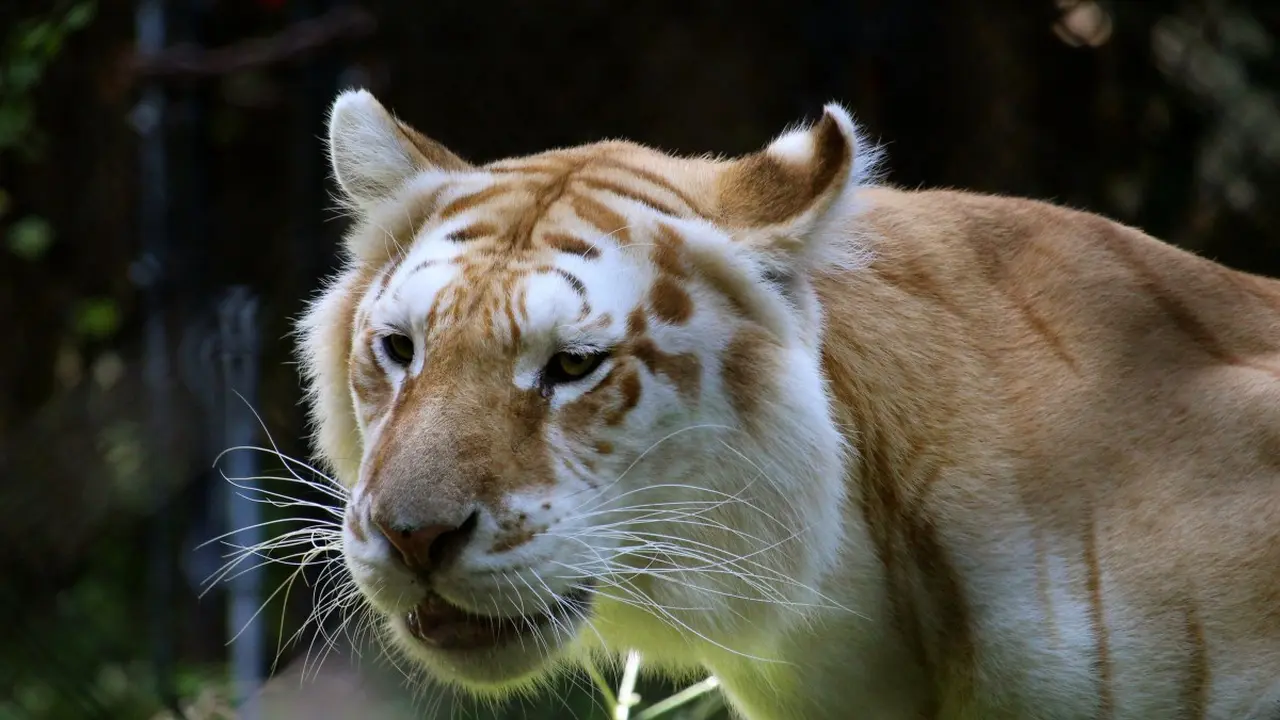
- Tigers: Through their 'Tx2' initiative, WWF aims to double the number of wild tigers by 2022 (though the goal has been extended due to challenges, significant progress has been made). They focus on anti-poaching efforts, habitat restoration, and working with local communities to reduce human-wildlife conflict.
- Rhinos: WWF is a major player in the fight against rhino poaching, supporting anti-poaching units, intelligence gathering, and demand reduction campaigns.
- Elephants: They work to combat the illegal ivory trade and protect elephant habitats across Africa and Asia.
- Marine Turtles: WWF supports efforts to protect nesting beaches, reduce bycatch in fisheries, and combat illegal trade in turtle products.
- Great Apes: Their programs focus on protecting chimpanzees, gorillas, and orangutans from habitat loss and poaching.
Beyond species-specific work, WWF is also heavily invested in:
- Forest Conservation: Protecting vital forest ecosystems, which are home to a vast array of species and crucial for climate regulation.
- Ocean Conservation: Working to create marine protected areas, promote sustainable fishing practices, and combat plastic pollution.
- Freshwater Conservation: Protecting rivers, lakes, and wetlands, which are essential for both wildlife and human communities.
- Climate Change Mitigation: Advocating for policies and solutions to reduce greenhouse gas emissions and help species adapt to a changing climate.
WWF Products and Programs for Supporters
WWF offers several ways for individuals to get involved and support their mission:
- Adopt a Species Program: This is a super popular way to contribute. You can 'adopt' an endangered animal like a panda, tiger, or elephant. For a donation, you receive a plush toy, an adoption certificate, and information about your chosen species. It's a fantastic gift idea and a tangible way to feel connected to the cause. Prices typically range from $25 to $100+ depending on the package.
- Membership: Becoming a WWF member provides ongoing support for their work and often includes a subscription to their magazine, 'WWF News,' keeping you updated on their conservation efforts. Annual memberships usually start around $35.
- Shop WWF: Their online store offers a range of eco-friendly products, from apparel and home goods to educational toys, with proceeds supporting their conservation work.
- Donations: Of course, direct donations are always welcome and crucial for funding their extensive programs.
International Union for Conservation of Nature IUCN Red List Authority
The International Union for Conservation of Nature (IUCN) might not have the same public recognition as WWF, but their work is absolutely foundational to global conservation. Think of them as the scientific backbone of the movement. The IUCN is a membership union composed of both government and civil society organizations. Their primary role is to provide independent expertise, tools, and standards to drive conservation action.
The IUCN Red List of Threatened Species Explained
The most famous and arguably most critical tool developed by the IUCN is the IUCN Red List of Threatened Species. This isn't just a list; it's the world's most comprehensive inventory of the global conservation status of plant and animal species. It uses a rigorous set of criteria to evaluate the extinction risk of thousands of species and subspecies. The Red List categorizes species into nine groups:
- Extinct (EX)
- Extinct in the Wild (EW)
- Critically Endangered (CR)
- Endangered (EN)
- Vulnerable (VU)
- Near Threatened (NT)
- Least Concern (LC)
- Data Deficient (DD)
- Not Evaluated (NE)
The Red List is more than just a warning system; it's a critical resource that informs conservation policy and action worldwide. Governments, NGOs, and scientists use it to prioritize conservation efforts, identify areas needing protection, and track trends in biodiversity. It's a living document, constantly updated as new data becomes available.
IUCN's Broader Conservation Work and Tools
Beyond the Red List, IUCN's work includes:
- Protected Areas: They develop and promote standards for protected areas, like the IUCN Protected Area Management Categories, which are used globally.
- Species Survival Commission (SSC): This is a network of over 10,000 volunteer experts who assess the status of species and provide conservation advice.
- Environmental Law: IUCN plays a significant role in developing international environmental law and policy.
- Ecosystem Management: They work on sustainable use of natural resources and ecosystem-based approaches to conservation.
How to Engage with IUCN's Scientific Work
While IUCN doesn't have 'adopt a species' programs in the same way as WWF, you can support their vital scientific work through:
- Donations: Direct financial contributions help fund their research, assessments, and policy work.
- Accessing Data: The IUCN Red List is publicly accessible online, providing invaluable information for researchers, educators, and anyone interested in conservation. While not a 'product' in the commercial sense, it's a powerful tool for understanding global biodiversity.
- Volunteering Expertise: If you're a scientist or conservation professional, you might be able to contribute to their various commissions and specialist groups.
Conservation International CI Biodiversity Hotspots
Conservation International (CI) takes a slightly different, yet equally impactful, approach to conservation. Their strategy is heavily focused on 'biodiversity hotspots' – regions that harbor a high diversity of endemic species but are also severely threatened. By concentrating efforts on these critical areas, CI aims to achieve maximum conservation impact with limited resources. They believe that protecting these hotspots is key to safeguarding a significant portion of the world's biodiversity.
Focus on Biodiversity Hotspots and Ecosystem Services
CI identifies 36 biodiversity hotspots around the world, which collectively cover just 2.5% of the Earth's land surface but support more than half of the world's plant species and nearly 43% of bird, mammal, reptile, and amphibian species as endemics. Their work in these areas involves:
- Protected Area Establishment: Working with governments and local communities to establish and manage protected areas within hotspots.
- Sustainable Livelihoods: Developing economic alternatives for local communities that are compatible with conservation, such as sustainable agriculture, ecotourism, and responsible resource management.
- Ecosystem Services: CI is a strong advocate for the concept of 'ecosystem services' – the benefits that humans receive from ecosystems, such as clean water, fresh air, pollination, and climate regulation. They work to put a value on these services to encourage their protection.
- Climate Change Adaptation: Helping communities and ecosystems adapt to the impacts of climate change, particularly in coastal and forest regions.
CI's Innovative Programs and Partnerships
CI is known for its innovative partnerships and programs:
- Debt-for-Nature Swaps: They facilitate agreements where a portion of a developing country's debt is forgiven in exchange for commitments to conservation.
- Carbon Sequestration Projects: CI develops projects that protect and restore forests, which absorb carbon dioxide from the atmosphere, helping to mitigate climate change.
- Marine Conservation: They have strong programs focused on protecting critical marine ecosystems, including coral reefs and mangrove forests, which are vital for both biodiversity and coastal communities.
- Indigenous Partnerships: CI recognizes the crucial role of indigenous peoples in conservation and partners with them to protect their traditional lands and knowledge.
Supporting Conservation International's Targeted Approach
If you're keen on supporting a targeted, science-driven approach to conservation, CI is a great choice:
- Donations: Direct donations are the primary way to support their field programs and policy work.
- Carbon Offsets: CI sometimes offers programs where you can offset your carbon footprint by contributing to their forest protection projects. This isn't a 'product' in the traditional sense, but a service that allows individuals to contribute to climate and biodiversity goals. The cost varies depending on the amount of carbon you wish to offset, but typically starts from $10-$20 for a small offset.
- Educational Resources: CI provides a wealth of information on their website about biodiversity hotspots and ecosystem services, which is excellent for learning and advocacy.
African Wildlife Foundation AWF Protecting African Wildlife
The African Wildlife Foundation (AWF) is, as its name suggests, entirely dedicated to the conservation of Africa's magnificent wildlife and wild lands. Africa is home to some of the world's most iconic and endangered species, from elephants and rhinos to lions and gorillas. AWF's work is crucial for protecting these animals and ensuring the long-term health of Africa's unique ecosystems.
AWF's Holistic Approach to African Conservation
AWF's strategy is built on a holistic approach that recognizes the interconnectedness of wildlife, land, and people. They focus on several key pillars:
- Land Protection: AWF works to establish and expand protected areas, secure wildlife corridors, and promote sustainable land management practices across Africa. This includes purchasing land, working with governments, and empowering local communities to manage their resources.
- Species Protection: They implement targeted programs for critically endangered species like rhinos, elephants, and great apes. This involves anti-poaching efforts, community-based conservation, and scientific research.
- Community Empowerment: AWF believes that conservation success depends on the involvement and benefit of local communities. They support initiatives that provide economic opportunities, education, and healthcare, linking human well-being directly to conservation outcomes.
- Conservation Enterprise: They help develop and support businesses that are both profitable and environmentally sustainable, such as ecotourism lodges and sustainable agriculture projects.
- Policy and Advocacy: AWF engages with African governments and international bodies to advocate for stronger conservation policies and laws.
Specific Species and Regions of Focus for AWF
AWF's work spans across many African countries and focuses on a range of species:
- Elephants: A major focus is combating the illegal ivory trade and protecting elephant populations from poaching and habitat loss. They support ranger training, provide equipment, and work on demand reduction.
- Rhinos: AWF is at the forefront of protecting both black and white rhinos, which are severely threatened by poaching. They deploy anti-poaching units, use technology for surveillance, and work to dismantle poaching networks.
- Lions: They work to reduce human-lion conflict, protect lion habitats, and support community-based conservation efforts.
- Gorillas: AWF has significant programs in gorilla conservation, particularly in the Virunga Mountains, focusing on anti-poaching and habitat protection.
- Giraffes: They support research and conservation efforts for various giraffe subspecies, some of which are critically endangered.
AWF Programs and Ways to Contribute
AWF offers several compelling ways to support their work:
- Adopt an Animal: Similar to WWF, AWF has an 'Adopt an Animal' program where you can symbolically adopt an elephant, rhino, lion, or other African species. Donations typically range from $50 to $250+ and often include a plush animal, certificate, and updates.
- Wildlife Guardian Program: This is a monthly giving program that provides consistent support for AWF's field operations.
- Conservation Safaris: AWF partners with reputable safari operators to offer conservation-focused safaris. A portion of the cost goes directly to AWF's programs, allowing you to experience Africa's wildlife while directly contributing to its protection. These are premium experiences, with prices ranging from $5,000 to $15,000+ depending on duration and luxury level.
- Donations: General donations are always vital for their broad range of programs.
Wildlife Conservation Society WCS Protecting Wild Places
The Wildlife Conservation Society (WCS) has a long and distinguished history, dating back to 1895. They are unique in that they manage the world's largest system of urban wildlife parks (including the Bronx Zoo, Central Park Zoo, and others in New York City), which serve as powerful platforms for public education and scientific research. However, their conservation work extends far beyond city limits, with field programs in nearly 60 countries and all the world's oceans.
WCS's Focus on Wild Places and Scientific Research
WCS's mission is to save wildlife and wild places worldwide through science, conservation action, education, and inspiring people to value nature. Their approach is heavily rooted in science, using research to inform their conservation strategies. Key aspects of their work include:
- Protecting Intact Ecosystems: WCS focuses on protecting large, intact wilderness areas that are crucial for the survival of wide-ranging species and ecosystem processes.
- Species Conservation: They have targeted programs for a vast array of species, from marine mammals and sharks to big cats, primates, and birds. Their work often involves detailed ecological studies and monitoring.
- Combating Wildlife Trafficking: WCS is a leader in the fight against illegal wildlife trade, working to disrupt supply chains, strengthen law enforcement, and reduce demand.
- Climate Change Solutions: They work on climate change adaptation strategies for wildlife and ecosystems, as well as advocating for policies to reduce emissions.
- Human-Wildlife Coexistence: Developing strategies to reduce conflict between people and wildlife, particularly in areas where human populations are expanding.
WCS's Global Reach and Key Conservation Landscapes
WCS operates in some of the most biodiverse and threatened regions on Earth:
- Congo Basin: Protecting gorillas, chimpanzees, and forest elephants in one of the world's largest rainforests.
- Amazon: Working to conserve jaguars, tapirs, and other species in the vast Amazon rainforest.
- Southeast Asia: Protecting tigers, elephants, and other endangered species in countries like Myanmar and Thailand.
- Arctic: Conducting research and advocating for the protection of polar bears, walruses, and other Arctic wildlife.
- Oceans: Their marine programs focus on protecting whales, sharks, and critical marine habitats like coral reefs.
How to Support WCS's Science-Driven Conservation
WCS offers several ways to get involved, often leveraging their zoo network:
- Zoo Membership: Becoming a member of one of their New York City zoos (Bronx Zoo, Central Park Zoo, etc.) directly supports their global conservation efforts and provides free admission. Annual memberships typically range from $80 to $200+ for families.
- Adopt an Animal: You can symbolically adopt an animal from one of their zoos, with proceeds going to their conservation programs. These packages often include a plush toy and certificate, similar to other organizations, with prices from $30 to $100+.
- Donations: Direct financial contributions are crucial for funding their extensive field research and conservation projects.
- Visit Their Zoos: Simply visiting their wildlife parks contributes to their mission through ticket sales and provides an educational experience about wildlife conservation. Ticket prices for the Bronx Zoo, for example, are around $30-$40 for adults.
Sheldrick Wildlife Trust SWT Elephant Orphanage and Reintegration
The Sheldrick Wildlife Trust (SWT) is a truly unique and heartwarming organization, primarily focused on the rescue, rehabilitation, and reintegration of orphaned elephants and rhinos in Kenya. Founded by Dame Daphne Sheldrick, it's renowned for its pioneering work in hand-rearing infant elephants and its commitment to returning them to the wild. While their focus is more specialized than the other organizations on this list, their impact on elephant and rhino conservation in East Africa is profound.
SWT's Specialized Work with Orphaned Elephants and Rhinos
SWT's core mission revolves around:
- Orphan Rescue: They operate a rapid response team that rescues orphaned elephants and rhinos, often victims of poaching or human-wildlife conflict, from across Kenya.
- Hand-Rearing: At their Nairobi Nursery, dedicated keepers provide round-the-clock care, including specialized milk formulas, comfort, and companionship, to infant elephants. This is a highly intensive and long-term commitment, as elephants need care for many years.
- Reintegration: Once old enough, the orphans are moved to reintegration centers in Tsavo National Park, where they gradually transition back into wild herds. This process can take many years, with the goal of full independence.
- Anti-Poaching and Habitat Protection: Beyond the orphans, SWT also runs extensive anti-poaching operations, aerial surveillance, and veterinary units to protect wild elephant and rhino populations and their habitats.
The Unique 'Fostering' Program and Its Impact
One of SWT's most beloved and effective programs is their 'Fostering' initiative. Instead of a symbolic adoption, you can actually foster a specific orphaned elephant or rhino. This program provides a direct connection to an individual animal and its journey back to the wild.
SWT Fostering Program Details and Benefits
- Fostering an Orphan: For an annual donation, you receive a personalized fostering certificate, a watercolor painting of your chosen orphan, monthly updates on their progress, and access to a private fostering page with photos and videos. This allows you to follow their growth and eventual reintegration into the wild.
- Cost: Fostering an orphan typically costs $50 per year. This is an incredibly impactful way to contribute, as it directly supports the daily care, milk, and medical needs of these vulnerable animals.
- Visiting the Nursery: If you're ever in Nairobi, you can visit the elephant orphanage during specific public viewing hours to see the baby elephants being fed and playing. This is a truly unforgettable experience.
- Merchandise: Their online shop offers a range of items, from apparel to books, with proceeds supporting their work.
The Sheldrick Wildlife Trust's work is a testament to the power of dedicated care and the possibility of giving a second chance to animals that have suffered immense trauma. Their success stories are incredibly inspiring and highlight the importance of hands-on conservation.
Comparing the Organizations Choosing Your Conservation Partner
So, we've explored five incredible organizations, each with its unique strengths and approaches. How do you choose which one to support, or perhaps how to support them all?
Different Approaches to Conservation
- WWF: A global giant with a broad mandate, tackling conservation on multiple fronts from climate change to species protection. Great for those who want to support a wide range of initiatives.
- IUCN: The scientific backbone, providing critical data and standards (like the Red List) that underpin global conservation efforts. Ideal for those who value scientific rigor and policy influence.
- Conservation International: Focuses on high-impact areas (biodiversity hotspots) and innovative financial mechanisms, emphasizing ecosystem services. Best for those who prefer a targeted, science-driven approach with an economic lens.
- African Wildlife Foundation: Dedicated solely to African wildlife and wild lands, with a strong emphasis on community involvement and sustainable enterprise. Perfect if your passion lies specifically with Africa's iconic species.
- Sheldrick Wildlife Trust: Highly specialized in the rescue, rehabilitation, and reintegration of orphaned elephants and rhinos. An excellent choice if you're drawn to direct animal care and individual success stories.
Considerations for Supporting Endangered Species Protection
When deciding where to put your support, consider these factors:
- Your Passion: Are you particularly passionate about a specific species (like elephants) or a region (like Africa)?
- Type of Impact: Do you prefer supporting broad policy changes, scientific research, direct animal care, or community development?
- Transparency: All these organizations are generally transparent, but it's always good to check their annual reports and financial statements.
- Engagement: Do you want a direct connection (like fostering an orphan) or are you happy with general updates?
- Financial Contribution: Even small donations make a difference. Consider setting up a recurring monthly donation to provide consistent support.
Ultimately, the best organization to support is the one whose mission resonates most with you. All five of these organizations are doing vital work to protect endangered species and ensure a healthier planet for future generations. By understanding their unique contributions, you can make an informed decision and become a powerful advocate for wildlife conservation. Every dollar, every share, and every conversation helps. Let's keep these incredible creatures from disappearing forever!
:max_bytes(150000):strip_icc()/277019-baked-pork-chops-with-cream-of-mushroom-soup-DDMFS-beauty-4x3-BG-7505-5762b731cf30447d9cbbbbbf387beafa.jpg)