Understanding Dog Body Language
Learn to understand dog body language. Decode your dog's signals for better communication.
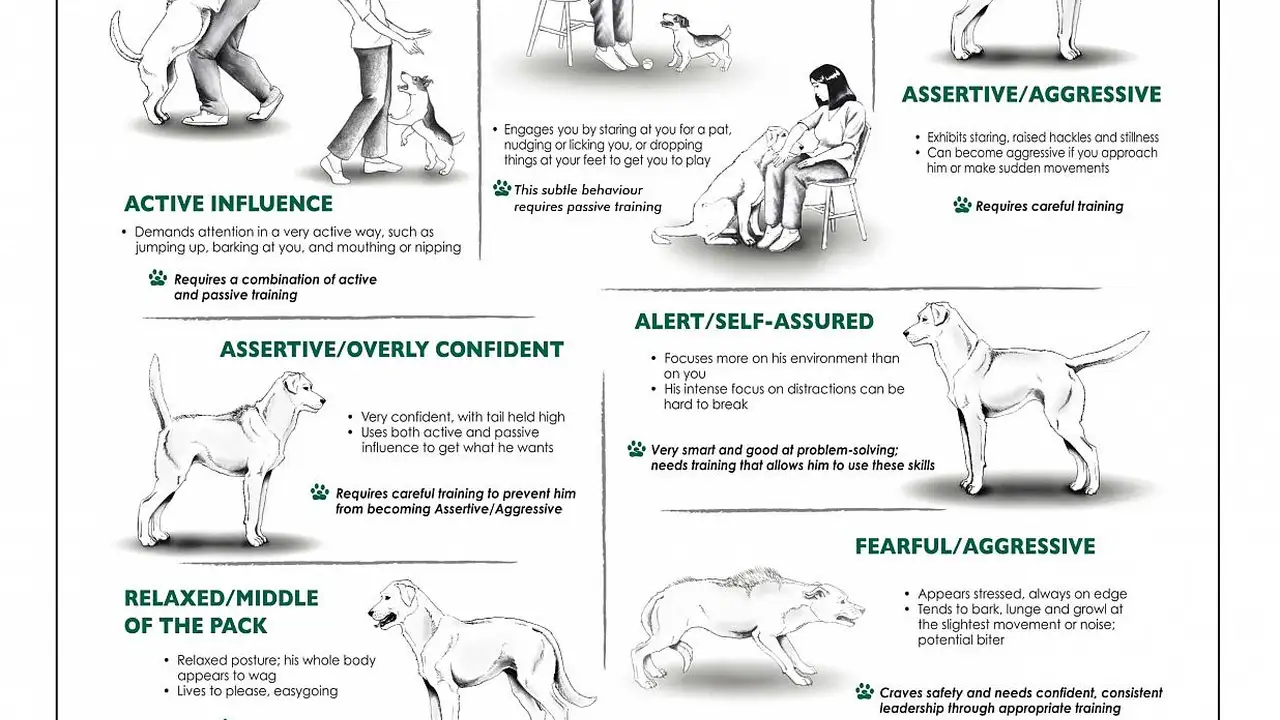
Learn to understand dog body language. Decode your dog's signals for better communication. This comprehensive guide will help you interpret your dog's subtle cues, from tail wags to ear positions, fostering a deeper bond and preventing misunderstandings. We'll explore common canine expressions, compare different behavioral patterns, and even recommend tools to aid your understanding.
For serious behavioral monitoring, Furbo and Petcube offer more pet-specific features and advanced alerts, though often requiring a subscription for full functionality. The Wyze Cam is an excellent entry-level option for general observation.
Understanding Dog Body Language A Comprehensive Guide to Canine Communication
Why Decoding Dog Body Language is Crucial for Pet Owners
Understanding your dog's body language is more than just a fun trick; it's a fundamental aspect of responsible pet ownership. Dogs communicate constantly, not through words, but through a complex array of physical signals. When we fail to understand these signals, we risk misinterpreting their needs, causing stress, or even escalating potentially dangerous situations. Imagine a child trying to tell you they're scared, but you only hear gibberish. That's often how our dogs feel when we don't speak their language. By learning to read their cues, you can anticipate their needs, prevent behavioral issues, and build a stronger, more trusting relationship. This skill is particularly vital for new dog owners, those introducing a new pet to the household, or anyone looking to deepen their bond with their canine companion.The Tail Tale Interpreting Dog Tail Wags and Positions
The tail is often considered the most expressive part of a dog's body, and rightly so. However, a wagging tail doesn't always mean happiness. The speed, height, and direction of the wag all convey different messages.Tail Wag Speed and Amplitude
- Slow, gentle wag: Often indicates uncertainty, a greeting, or a tentative approach.
- Fast, broad wag: A clear sign of happiness, excitement, and friendliness. This is the classic 'happy dog' wag.
- Stiff, rapid wag: Can signal arousal, tension, or even aggression. This wag is often accompanied by other stiff body postures.
Tail Position and What it Means
- Tail held high and wagging: Confidence, excitement, and often a desire to interact.
- Tail held naturally (mid-level) and wagging: Relaxed, content, and friendly.
- Tail tucked between legs: Fear, submission, anxiety, or pain. This is a clear signal that your dog is uncomfortable.
- Tail held horizontally and stiff: Alertness, curiosity, or a precursor to aggression. The dog is assessing a situation.
Ear-resistible Insights Understanding Dog Ear Positions
Just like tails, a dog's ears are incredibly communicative. Their position can reveal a lot about their emotional state.Forward Facing Ears
When a dog's ears are perked up and facing forward, it usually means they are alert, attentive, and interested in something. They might be listening intently to a sound or focusing on an object or person.Flattened or Pinned Back Ears
Ears that are flattened against the head or pulled back can indicate fear, anxiety, submission, or even pain. If the ears are slightly back and relaxed, it might just mean they are feeling friendly and approachable. However, if they are tightly pinned back, especially with other signs of tension, it's a clear warning sign of distress.Relaxed or Natural Ear Position
When a dog's ears are in their natural, relaxed position (which varies by breed), it generally means they are calm and comfortable in their environment.The Eyes Have It Decoding Dog Eye Contact and Gaze
Eye contact in the canine world is a nuanced form of communication. What might seem like a loving gaze to us can sometimes be perceived differently by dogs.Direct Stare
A prolonged, direct stare from a dog can be a sign of challenge or aggression, especially if accompanied by a stiff body. In the dog world, direct eye contact can be confrontational.Soft Gaze or Averted Eyes
A soft gaze, often with slightly squinted eyes, indicates affection and trust. Averting their eyes or looking away is a sign of submission or deference, especially when interacting with a more dominant dog or a human they respect.Whale Eye
This term refers to when you can see the whites of a dog's eyes, often at the corners, as they turn their head away but keep their eyes fixed on something. It's a clear sign of stress, fear, or discomfort, indicating they feel threatened or anxious.Mouth Movements and Facial Expressions What Your Dog's Face is Saying
The mouth and facial muscles are key indicators of a dog's mood, from playful to aggressive.Relaxed Mouth
A slightly open mouth with a relaxed tongue, sometimes panting gently, indicates a happy and comfortable dog. The corners of the mouth might be slightly turned up, resembling a 'smile'.Lip Licking and Yawning
These are often 'calming signals' or signs of stress. A dog might lick their lips or yawn when they are feeling anxious, uncomfortable, or trying to de-escalate a tense situation. It's not always about hunger or tiredness.Showing Teeth and Growling
This is a clear warning sign. A dog showing teeth, whether a full snarl or just a slight lift of the lip, is communicating that they are uncomfortable and may bite if pushed further. Growling is an auditory warning that should always be respected.Closed Mouth and Tense Lips
Can indicate focus, alertness, or tension. If the lips are pulled back tightly, it can be a sign of stress or discomfort.Body Posture and Overall Demeanor Reading the Whole Picture
Beyond individual body parts, a dog's overall posture provides a holistic view of their emotional state.Relaxed Posture
A dog with a relaxed posture will have loose muscles, a natural tail position, and an overall soft appearance. They might be lying down comfortably, or standing with their weight evenly distributed.Play Bow
This iconic posture, where the front end is lowered and the rear end is up, often with a wagging tail, is an invitation to play. It's a clear signal of friendly intentions.Cowering or Crouching
Indicates fear, submission, or a desire to avoid interaction. The dog might make themselves appear smaller, with a tucked tail and lowered head.Stiff or Frozen Posture
When a dog becomes stiff, freezes, or moves very slowly, it's a sign of high arousal, tension, or potential aggression. They are often assessing a situation and preparing for a reaction.Raised Hackles Piloerection
When the hair along a dog's spine stands up (piloerection), it's an involuntary reaction to arousal, fear, or excitement. It doesn't necessarily mean aggression, but it does indicate a heightened emotional state.Comparing Common Dog Behaviors and Their Meanings
Let's look at some common scenarios and how to interpret them.Greeting Behaviors
- Friendly greeting: Loose body, wagging tail (mid-level to high), soft eyes, possibly a play bow.
- Anxious greeting: Lowered body, tucked tail, averted eyes, lip licking, yawning.
- Dominant greeting: Stiff body, high tail, direct stare, possibly mounting behavior.
Fear and Anxiety Signals
Beyond tucked tails and flattened ears, look for trembling, excessive panting (when not hot), drooling, pacing, hiding, or trying to escape. These are all signs your dog is feeling overwhelmed.Aggression Warning Signs
Growling, snarling, showing teeth, stiff body, direct stare, raised hackles, lunging, or snapping are all clear warnings. It's crucial to recognize these and give the dog space.Play Signals
Play bows, exaggerated movements, soft bites (inhibited), and taking turns chasing are all hallmarks of healthy play. If play becomes too intense or one dog seems uncomfortable, it's time to intervene.Tools and Resources to Enhance Your Understanding of Canine Communication
While observation is key, some tools and resources can further aid your understanding.Recommended Books and Online Courses
- 'On Talking Terms With Dogs Calming Signals' by Turid Rugaas: A classic and essential read for understanding subtle canine communication. Available on Amazon for around $15-$20 USD.
- 'The Other End of the Leash' by Patricia McConnell: Explores human-dog communication from a scientific perspective. Typically $12-$18 USD.
- Online courses from reputable dog trainers: Many certified professional dog trainers offer online courses specifically on dog body language. Prices vary widely, from free introductory videos to comprehensive courses costing $50-$200 USD. Look for courses from organizations like the Karen Pryor Academy or the Association of Professional Dog Trainers.
Pet Cameras with Behavioral Alerts
For owners who want to monitor their dog's behavior when they're not home, smart pet cameras can be invaluable. They often come with features like two-way audio, treat dispensers, and even AI-powered behavioral alerts.- Furbo Dog Camera: Known for its treat-tossing feature and barking alerts. It can help you observe your dog's behavior when alone. Retails for approximately $169-$199 USD.
- Petcube Bites 2 Lite: Offers HD video, two-way audio, and a treat dispenser. Some models include vet chat features. Priced around $149-$179 USD.
- Wyze Cam Pan v3: A more budget-friendly option that offers pan and tilt functionality, allowing you to scan the room. While not specifically a 'pet camera,' its features are great for monitoring. Around $35-$45 USD.
Comparing Pet Cameras for Behavioral Monitoring
When choosing a pet camera, consider your primary needs:| Feature | Furbo Dog Camera | Petcube Bites 2 Lite | Wyze Cam Pan v3 |
|---|---|---|---|
| Price (Approx.) | $169-$199 | $149-$179 | $35-$45 |
| Treat Dispenser | Yes | Yes | No |
| Two-Way Audio | Yes | Yes | Yes |
| HD Video | Yes | Yes | Yes |
| Behavioral Alerts (Barking, etc.) | Yes (Subscription for advanced) | Yes (Subscription for advanced) | Basic motion/sound |
| Pan/Tilt Functionality | No | No | Yes |
| Vet Chat | No | Some models | No |
| Best For | Engaging with dog, barking alerts | Treats, vet access, monitoring | Budget monitoring, wide coverage |
:max_bytes(150000):strip_icc()/277019-baked-pork-chops-with-cream-of-mushroom-soup-DDMFS-beauty-4x3-BG-7505-5762b731cf30447d9cbbbbbf387beafa.jpg)