Understanding the Illegal Wildlife Trade
Learn to understand the illegal wildlife trade. Discover its impact and how to combat it.
Learn to understand the illegal wildlife trade. Discover its impact and how to combat it. This comprehensive guide will walk you through the dark world of wildlife trafficking, its devastating consequences, and practical steps you can take to make a difference. We'll delve into the types of products involved, the regions most affected, and the innovative technologies being used to fight back. Get ready to become an informed advocate for wildlife.
Understanding the Illegal Wildlife Trade
What is the Illegal Wildlife Trade Defining the Global Crisis
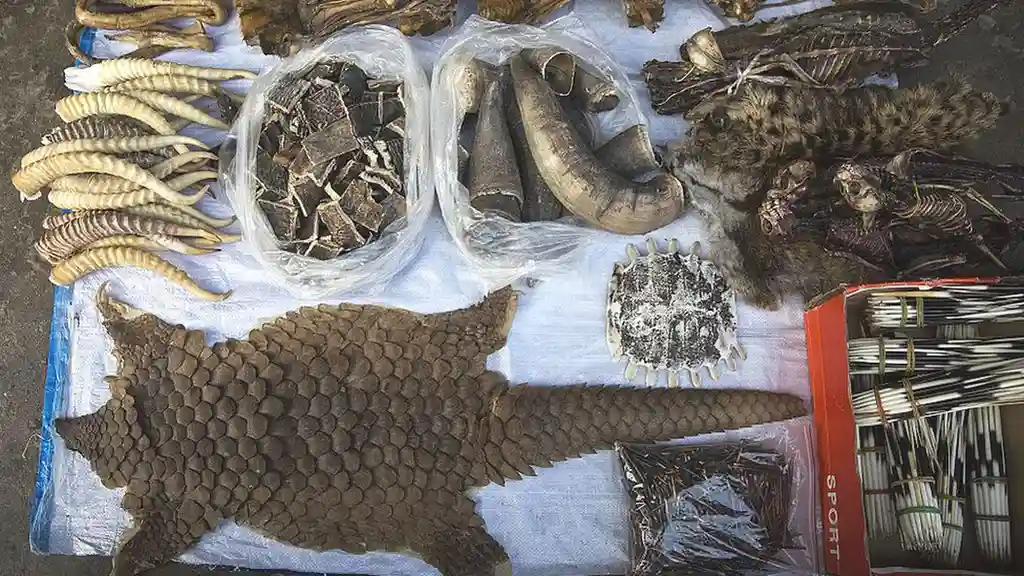
The illegal wildlife trade (IWT) is a multi-billion dollar global industry, ranking as the fourth largest illicit trade after drugs, arms, and human trafficking. It involves the poaching or capture of protected wild animals and plants, and the subsequent smuggling and sale of their parts or products. This isn't just about exotic pets; it encompasses everything from elephant ivory and rhino horn to pangolin scales, tiger bones, rare timber, and even live animals destined for the pet trade or traditional medicine markets. The scale of this crisis is staggering, pushing countless species to the brink of extinction and destabilizing ecosystems worldwide. It's a complex web of organized crime, corruption, and demand, fueled by a combination of cultural beliefs, economic desperation, and a lack of awareness.
Why Does the Illegal Wildlife Trade Exist Drivers and Demand
Understanding the 'why' behind the IWT is crucial to combating it. Several factors contribute to its persistence:
- Traditional Medicine: In many cultures, certain animal parts are believed to have medicinal properties, despite a lack of scientific evidence. Rhino horn, for example, is falsely marketed as a cure for various ailments, while tiger bones are used in tonics.
- Status Symbols and Luxury Goods: Ivory carvings, exotic leather products, and rare animal trophies are often seen as symbols of wealth and status, particularly in affluent markets.
- Exotic Pet Trade: The demand for unique and unusual pets drives the illegal capture and sale of countless birds, reptiles, amphibians, and even mammals. Many of these animals suffer immensely during transport and often die shortly after being acquired.
- Food and Delicacies: Certain wild animals are considered delicacies in some regions, leading to their illegal hunting and consumption. Pangolins, for instance, are highly sought after for their meat.
- Poverty and Economic Disparity: In many source countries, poverty can drive individuals to engage in poaching or trafficking as a means of survival, often exploited by larger criminal networks.
- Weak Governance and Corruption: A lack of effective law enforcement, coupled with corruption within government agencies, allows criminal syndicates to operate with relative impunity.
The Devastating Impact Consequences for Animals Ecosystems and Humanity
The consequences of the illegal wildlife trade are far-reaching and catastrophic:
- Species Extinction: The most immediate and visible impact is the dramatic decline in populations of endangered species. Rhinos, elephants, pangolins, tigers, and many primate species are being decimated at unsustainable rates.
- Ecosystem Imbalance: The removal of key species disrupts delicate ecological balances. For example, the loss of elephants, which are ecosystem engineers, can alter landscapes and affect plant diversity.
- Disease Transmission: The unregulated trade in live animals, particularly exotic pets, increases the risk of zoonotic diseases (diseases that jump from animals to humans), posing a significant public health threat.
- National Security and Organized Crime: The IWT is often linked to other serious crimes, including drug trafficking, arms dealing, and even terrorism, providing funding for criminal organizations and destabilizing regions.
- Economic Loss: For countries that rely on wildlife tourism, poaching and habitat destruction lead to significant economic losses, impacting local communities and national economies.
- Ethical and Moral Concerns: The inherent cruelty involved in poaching, trapping, and transporting animals for the illegal trade raises profound ethical questions about humanity's relationship with the natural world.
Key Products in the Illegal Wildlife Trade Identifying the Hot Commodities
While the IWT is vast, certain products consistently dominate the market:
- Ivory: Primarily from African and Asian elephants, used for carvings, jewelry, and decorative items.
- Rhino Horn: Highly prized in traditional Asian medicine, despite being composed of keratin, the same material as human fingernails.
- Pangolin Scales and Meat: Pangolins are the most trafficked mammals globally, sought after for their scales (used in traditional medicine) and meat (considered a delicacy).
- Tiger Parts: Bones, skins, and other parts are used in traditional medicine and as luxury items.
- Exotic Birds and Reptiles: Live animals like parrots, tortoises, and snakes are illegally captured for the pet trade.
- Rare Timber: Precious hardwoods like rosewood are illegally logged and smuggled, leading to deforestation and habitat loss.
- Marine Species: Sharks (for fins), abalone, and certain fish species are illegally harvested.
Combating the Illegal Wildlife Trade Strategies and Solutions
Fighting the IWT requires a multi-faceted approach involving governments, NGOs, local communities, and individuals:
- Strengthening Law Enforcement: Increased patrols, better intelligence gathering, and harsher penalties for poachers and traffickers are crucial.
- Demand Reduction Campaigns: Educating consumers about the devastating impact of their choices and promoting alternatives to illegal wildlife products.
- Community Engagement: Empowering local communities living alongside wildlife to become stewards of conservation, often through economic incentives and alternative livelihoods.
- Technological Innovation: Utilizing drones, satellite imagery, DNA forensics, and AI to track poachers and identify illegal products.
- International Cooperation: Collaborative efforts between countries to share intelligence, coordinate law enforcement, and close down trafficking routes.
- Policy and Legislation: Implementing and enforcing robust national and international laws, such as CITES (Convention on International Trade in Endangered Species of Wild Fauna and Flora).
Products and Technologies Aiding the Fight Against Wildlife Crime
The battle against the illegal wildlife trade is increasingly leveraging technology and innovative products. Here are a few examples, along with their applications and approximate costs:
1. Anti Poaching Drones Aerial Surveillance for Wildlife Protection
Drones equipped with high-resolution cameras, thermal imaging, and GPS capabilities are revolutionizing anti-poaching efforts. They can cover vast areas quickly, detect poachers day or night, and provide real-time intelligence to ground teams. This significantly reduces the risk to rangers and increases the chances of intercepting illegal activities.
- Use Case: Monitoring large national parks and reserves, tracking animal movements, identifying human incursions, and assisting in rapid response operations.
- Product Comparison:
- DJI Mavic 3 Thermal: A popular choice for its portability, long flight time (up to 45 minutes), and integrated thermal camera. Excellent for covert surveillance.
- SenseFly eBee X: A fixed-wing drone designed for large-area mapping and surveillance, offering longer flight times (up to 90 minutes) and robust performance in challenging conditions. More suited for extensive, pre-planned missions.
- Custom-built long-range drones: Some conservation groups work with specialized companies to develop drones with extended range and payload capacity for specific, high-risk areas.
- Approximate Cost:
- DJI Mavic 3 Thermal: $5,000 - $10,000 USD
- SenseFly eBee X: $20,000 - $50,000 USD (often includes software and training)
- Custom solutions: $50,000+ USD, depending on specifications.
2. GPS Tracking Devices for Wildlife Monitoring and Security
Attaching GPS trackers to high-value animals (like rhinos, elephants, and pangolins) allows conservationists to monitor their movements, detect unusual behavior (which might indicate poaching attempts), and quickly locate animals in distress. These devices can be implanted, fitted as collars, or integrated into horn implants.
- Use Case: Real-time tracking of individual animals, creating geofences to alert rangers if an animal leaves a safe zone, and gathering data on migration patterns and habitat use.
- Product Comparison:
- Vectronic Aerospace GPS Collars: Highly reliable and durable collars designed for large mammals, offering long battery life and advanced data transmission.
- African Wildlife Tracking (AWT) Ear Tags and Implants: Smaller, less intrusive options for various species, including horn implants for rhinos that can trigger alerts if tampered with.
- Satellite-based trackers (e.g., Argos system): For animals in remote areas without cellular coverage, these trackers transmit data via satellite, though often with higher latency.
- Approximate Cost:
- GPS Collars: $1,500 - $5,000 USD per unit, plus data subscription fees.
- Ear Tags/Implants: $500 - $2,000 USD per unit.
- Satellite Trackers: $2,000 - $8,000 USD per unit, plus higher data costs.
3. DNA Forensics and Genetic Databases Tracing Illegal Wildlife Products
DNA analysis plays a critical role in identifying the origin of seized wildlife products, linking them to specific populations or even individual animals. This information helps law enforcement target poaching hotspots and dismantle trafficking networks. Genetic databases store DNA profiles of various species, allowing for rapid identification.
- Use Case: Identifying the species and geographic origin of seized ivory, rhino horn, pangolin scales, or bushmeat; linking multiple seizures to the same source; and prosecuting criminals with irrefutable evidence.
- Product Comparison:
- Specialized DNA Extraction Kits: Designed for challenging samples like dried blood, bone, or processed animal parts.
- Next-Generation Sequencing (NGS) Platforms: Advanced laboratory equipment used to rapidly sequence DNA from samples, providing highly detailed genetic information.
- Reference Genetic Databases: Collaborative efforts by research institutions and conservation organizations to build comprehensive databases of wildlife DNA.
- Approximate Cost:
- DNA Extraction Kits: $50 - $200 USD per kit.
- NGS Platforms: $50,000 - $500,000 USD for the equipment, plus ongoing reagent costs.
- Genetic Database Access: Often provided by research institutions or through collaborative projects, costs vary.
4. Artificial Intelligence and Machine Learning Predictive Analytics for Conservation
AI and machine learning algorithms are being used to analyze vast amounts of data – from satellite imagery and drone footage to social media posts and market trends – to predict poaching hotspots, identify trafficking patterns, and optimize patrol routes. This proactive approach helps conservationists deploy resources more effectively.
- Use Case: Predicting where and when poaching is most likely to occur, identifying suspicious online sales of wildlife products, analyzing ranger patrol data to improve efficiency, and detecting changes in forest cover indicative of illegal logging.
- Product Comparison:
- SMART (Spatial Monitoring and Reporting Tool): A widely used software platform for collecting, storing, and analyzing patrol data, which can be integrated with AI modules for predictive analytics.
- PAWS (Protection Assistant for Wildlife Security): An AI-driven system that uses game theory and machine learning to optimize patrol routes for anti-poaching efforts.
- Google Earth Engine and other satellite imagery analysis platforms: Used with AI to detect deforestation, illegal mining, and other environmental crimes.
- Approximate Cost:
- SMART: Free and open-source, but implementation and training costs can range from $5,000 - $20,000 USD.
- PAWS: Often developed and deployed through academic or NGO partnerships, costs are highly variable.
- Cloud computing services (for AI processing): $100 - $1,000+ USD per month, depending on usage.
5. Sniffer Dogs Canine Units in Wildlife Crime Detection
Highly trained sniffer dogs are invaluable assets in detecting illegal wildlife products at ports, airports, and border crossings. Their keen sense of smell allows them to locate hidden ivory, rhino horn, pangolin scales, and other contraband that might otherwise go undetected by human inspectors.
- Use Case: Screening luggage, cargo, and vehicles at transit points; searching for hidden caches of wildlife products in warehouses or remote areas; and tracking poachers in the field.
- Product Comparison:
- Belgian Malinois and German Shepherds: Commonly used breeds due to their intelligence, trainability, and strong scent drive.
- Specialized Training Programs: Organizations like Working Dogs for Conservation or K9 Conservation provide intensive training for dogs and their handlers.
- Detection Equipment: While the dogs are the primary 'product,' specialized harnesses, leashes, and reward toys are essential.
- Approximate Cost:
- Trained Sniffer Dog: $10,000 - $25,000 USD (includes dog and initial training).
- Handler Training: $5,000 - $15,000 USD per handler.
- Ongoing Care and Maintenance: $1,000 - $3,000 USD per year per dog.
Your Role in Combating the Illegal Wildlife Trade How You Can Help
Every individual has a part to play in stopping the illegal wildlife trade. Here's how you can contribute:
- Be a Responsible Tourist: Never buy wildlife products, whether it's ivory, exotic leather, or traditional medicine containing animal parts. Avoid attractions that exploit animals, such as tiger temples or elephant riding.
- Report Suspicious Activity: If you see illegal wildlife products for sale online or in person, or witness suspicious activity related to poaching or trafficking, report it to local authorities or reputable conservation organizations.
- Support Reputable Conservation Organizations: Donate your time or money to organizations actively working on the front lines of wildlife conservation and anti-poaching efforts. Look for groups with transparent financial practices and proven track records.
- Educate Yourself and Others: Share information about the IWT with your friends, family, and social networks. Awareness is a powerful tool in changing consumer behavior.
- Choose Sustainable Products: Opt for sustainably sourced products, especially when it comes to timber, seafood, and other natural resources. Look for certifications that guarantee ethical and legal sourcing.
- Adopt a Pet Responsibly: If you're considering a pet, adopt from a reputable shelter or rescue organization. Never purchase exotic animals that may have been illegally captured from the wild.
- Advocate for Stronger Laws: Contact your elected officials and express your support for stronger wildlife protection laws and increased funding for enforcement.
The Future of Wildlife Conservation Hope and Challenges Ahead
While the illegal wildlife trade presents immense challenges, there is hope. Increased global awareness, technological advancements, and dedicated efforts by conservationists, governments, and local communities are making a difference. However, the fight is far from over. The adaptability of criminal networks, persistent demand, and the ongoing pressures of habitat loss and climate change mean that vigilance and sustained effort are essential. By understanding the complexities of the IWT and actively participating in solutions, we can collectively work towards a future where wildlife thrives and illegal trade becomes a relic of the past. Your choices, big or small, contribute to this vital global effort. Let's protect our planet's precious biodiversity for generations to come.
:max_bytes(150000):strip_icc()/277019-baked-pork-chops-with-cream-of-mushroom-soup-DDMFS-beauty-4x3-BG-7505-5762b731cf30447d9cbbbbbf387beafa.jpg)