Choosing the Right Dog Leash and Collar
Learn how to choose the right dog leash and collar. Essential tips for safety and comfort during walks.
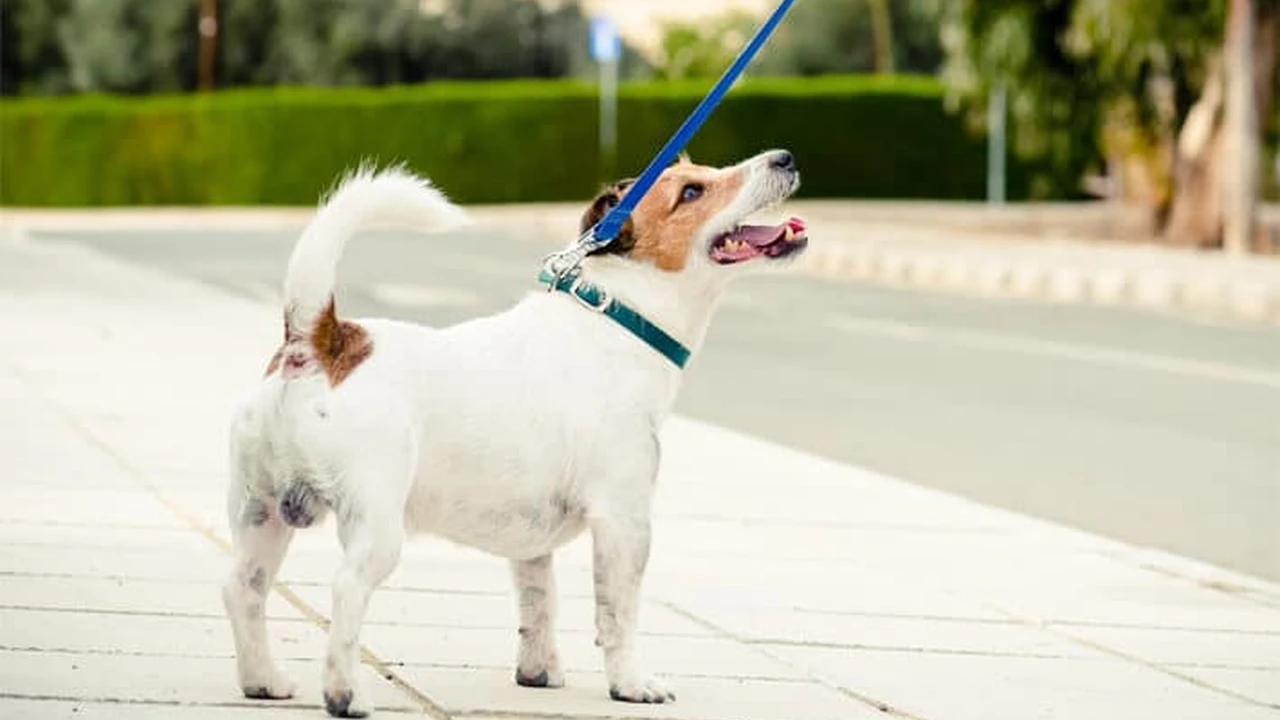
Learn how to choose the right dog leash and collar. Essential tips for safety and comfort during walks. Finding the perfect leash and collar for your canine companion is more than just a fashion statement; it's a crucial decision for their safety, comfort, and your peace of mind. With an overwhelming array of options available, from basic nylon to high-tech harnesses, navigating the choices can feel daunting. But don't worry, we're here to break it all down for you, ensuring you make an informed decision that benefits both you and your beloved dog. We'll delve into the different types of collars and leashes, discuss their pros and cons, and even recommend some top products with their typical price ranges and ideal use cases. So, let's get started on making your walks safer and more enjoyable!
Choosing the Right Dog Leash and Collar
Understanding Dog Collars Types and Their Uses
The collar is the foundation of your dog's walking gear. It's not just for attaching a leash; it also holds identification tags, which are vital if your dog ever gets lost. Different types of collars serve different purposes, and choosing the right one depends on your dog's breed, size, temperament, and training needs.
Flat Buckle Collars The Everyday Essential
The flat buckle collar is the most common and widely used type. It's a simple strap, usually made of nylon, leather, or sometimes even reflective materials, that fastens around your dog's neck with a buckle or quick-release clasp. These are excellent for everyday wear, holding ID tags, and for dogs who walk well on a leash without pulling.
- Pros: Comfortable for the dog, widely available, affordable, comes in many styles and materials, good for ID tags.
- Cons: Not ideal for strong pullers, can slip off if not fitted correctly.
- Product Recommendation:
- Blue-9 Pet Products Buckle-Down Dog Collar: Known for its durability and wide range of fun designs. Made with strong nylon webbing.
- Typical Price: $15 - $25
- Ideal Use: Everyday wear, holding ID tags, casual walks for well-behaved dogs.
- Mendota Products Leather Dog Collar: A classic, durable leather option that becomes softer with age.
- Typical Price: $20 - $40
- Ideal Use: Everyday wear, a more stylish and long-lasting option for dogs of all sizes.
Martingale Collars For Sighthounds and Escape Artists
Martingale collars, also known as limited-slip collars, are designed to prevent dogs from slipping out of their collars. They consist of a larger loop that goes around the dog's neck and a smaller loop where the leash attaches. When the dog pulls, the smaller loop tightens the larger loop, but only to a certain extent, preventing escape without choking the dog. They are particularly popular for sighthounds (like Greyhounds and Whippets) whose necks are often wider than their heads, making them prone to slipping out of traditional collars.
- Pros: Prevents escape, gentler than choke chains, good for training.
- Cons: Not for constant wear (can get caught on things), requires proper fitting.
- Product Recommendation:
- Max and Neo Martingale Collar: Durable nylon with reflective stitching, and they donate a collar to a rescue for every one sold.
- Typical Price: $18 - $28
- Ideal Use: Training, walking dogs prone to slipping out of collars, sighthounds.
- PetSafe Gentle Leader Headcollar: While not a traditional martingale, it's a similar concept for control. It gently guides the dog's head, making it difficult for them to pull.
- Typical Price: $15 - $25
- Ideal Use: Training strong pullers, gaining better control over your dog's direction.
Head Collars Gentle Control for Strong Pullers
Head collars, like the Gentle Leader or Halti, fit around your dog's muzzle and behind their ears. They work by giving you control over your dog's head, and where the head goes, the body follows. This makes them very effective for managing strong pullers and for training purposes, as they redirect your dog's attention without causing discomfort to their throat.
- Pros: Excellent control for strong pullers, prevents jumping and lunging, humane alternative to choke/prong collars.
- Cons: Some dogs dislike wearing them initially, requires a period of adjustment, not for tying out.
- Product Recommendation:
- PetSafe Gentle Leader Headcollar: A widely recognized and effective head collar for training and control.
- Typical Price: $15 - $25
- Ideal Use: Training strong pullers, managing reactive dogs, teaching loose-leash walking.
- Halti Headcollar: Another popular option, designed to stop pulling and allow for steering control.
- Typical Price: $15 - $25
- Ideal Use: Training, controlling large or strong dogs, preventing lunging.
Harnesses An Alternative to Collars for Comfort and Safety
Harnesses distribute pressure across your dog's chest and shoulders, rather than their neck. They are an excellent choice for dogs with respiratory issues, small breeds prone to tracheal collapse, or dogs who pull excessively and might injure their necks with a collar. There are various types of harnesses, including front-clip, back-clip, and dual-clip options.
- Pros: Reduces strain on the neck, prevents tracheal damage, good for brachycephalic breeds, offers better control for some dogs.
- Cons: Can be more cumbersome to put on, some dogs can still pull effectively with back-clip harnesses.
- Product Recommendation:
- RUFFWEAR Front Range Harness: A popular and highly-rated harness with both front and back leash attachment points, offering versatility and comfort.
- Typical Price: $40 - $60
- Ideal Use: Everyday walks, hiking, training for loose-leash walking (using the front clip).
- Easy Walk Harness by PetSafe: Specifically designed to stop pulling by redirecting the dog's forward motion when they pull.
- Typical Price: $20 - $35
- Ideal Use: Training dogs who pull, everyday walks for dogs needing pulling correction.
- Kurgo Tru-Fit Smart Harness: A crash-tested harness that can also be used as a car safety restraint.
- Typical Price: $30 - $50
- Ideal Use: Car travel safety, everyday walks, active dogs.
Choke Chains and Prong Collars When and Why to Avoid Them
Choke chains (also known as slip collars) and prong collars (or pinch collars) are training tools that apply pressure to a dog's neck when they pull. While some trainers still use them, they are controversial due to the potential for injury and the negative impact on a dog's behavior and trust. Many modern, positive reinforcement trainers advocate against their use, favoring more humane and effective methods like head collars or front-clip harnesses.
- Pros: Can provide immediate correction for strong pullers (though often at a cost).
- Cons: Can cause tracheal damage, neck injuries, eye prolapse, and can increase aggression or fear in dogs. Not recommended for general use.
- Recommendation: Generally, it's best to explore other training tools and methods before resorting to these. Consult with a certified professional dog trainer if you are struggling with pulling.
Selecting the Perfect Dog Leash for Every Adventure
Just like collars, leashes come in a variety of materials, lengths, and styles, each suited for different situations. The right leash can make a huge difference in your control, your dog's comfort, and the overall enjoyment of your walks.
Standard Leashes The Versatile Workhorse
Standard leashes are typically 4 to 6 feet long and are made from nylon, leather, or cotton webbing. They are the most common type and are suitable for everyday walks, training, and general control. The 6-foot length is often recommended by trainers as it provides enough slack for your dog to explore a bit while still allowing you to maintain control.
- Pros: Versatile, good for training, provides consistent control, durable.
- Cons: Can be restrictive for dogs who need more room to roam, can get tangled.
- Product Recommendation:
- Max and Neo Double Handle Reflective Nylon Leash: Features two handles for close control and reflective stitching for visibility.
- Typical Price: $15 - $25
- Ideal Use: Everyday walks, training, night walks for added safety.
- Logical Leather Dog Leash: A high-quality, durable leather leash that offers a comfortable grip and classic look.
- Typical Price: $25 - $45
- Ideal Use: Everyday walks, training, for owners who prefer a natural, long-lasting material.
Retractable Leashes Freedom with Caution
Retractable leashes allow your dog to roam a greater distance (up to 26 feet or more) while still being attached to you. They have a spring-loaded mechanism that extends and retracts a thin cord or tape. While they offer more freedom, they also come with significant safety concerns and are generally not recommended by professional trainers for regular use.
- Pros: Allows dog more freedom to explore, good for potty breaks in a contained area.
- Cons: High risk of injury to dog and owner (rope burns, falls, neck injuries), teaches dogs to pull, offers less control in emergencies, can snap.
- Recommendation: If you must use one, opt for a tape style (not cord) and use it only in open, safe areas with a well-trained dog.
- Product Recommendation:
- Flexi New Classic Retractable Leash: A popular brand, choose the tape version for better visibility and less risk of rope burn.
- Typical Price: $20 - $40
- Ideal Use: Limited use in very open, safe areas with a dog that has excellent recall and does not pull.
Long Lines For Training and Exploration
Long lines are essentially very long leashes, typically 15 to 50 feet or more. They are invaluable tools for recall training, practicing distance commands, or allowing your dog to explore safely in open areas where off-leash isn't an option. They require careful handling to avoid tangles and ensure safety.
- Pros: Excellent for recall training, allows safe exploration, good for practicing distance commands.
- Cons: Can get tangled easily, requires open space, can be difficult to manage in crowded areas.
- Product Recommendation:
- Mendota Products Training Leash (Long Line): Durable, waterproof, and easy to clean, available in various lengths.
- Typical Price: $20 - $50 (depending on length)
- Ideal Use: Recall training, scent work, safe exploration in parks or open fields.
- Biothane Long Line: A popular choice for its durability, waterproof nature, and ease of cleaning.
- Typical Price: $30 - $70 (depending on length)
- Ideal Use: All-weather training, beach walks, muddy environments.
Hands-Free Leashes Convenience for Active Owners
Hands-free leashes attach around your waist, allowing you to walk, run, or hike with your dog without having to hold the leash. Many come with bungee sections to absorb shock if your dog pulls, making them more comfortable for both of you.
- Pros: Allows for multitasking, great for running or hiking, reduces strain on arms and shoulders.
- Cons: Requires a dog that walks well on a leash, can be dangerous if your dog pulls unexpectedly.
- Product Recommendation:
- Ruffwear Roamer Leash: Features a strong, adjustable webbing belt and a Wavelength stretch webbing section to absorb shock.
- Typical Price: $35 - $50
- Ideal Use: Running, hiking, walking with a well-behaved dog, hands-free convenience.
- Tuff Mutt Hands Free Dog Leash: A popular and affordable option with a bungee section and reflective stitching.
- Typical Price: $20 - $30
- Ideal Use: Jogging, walking, general hands-free use with a dog that doesn't pull excessively.
Key Considerations for Optimal Dog Walking Gear
Beyond the type of collar and leash, several factors play a crucial role in making the right choice for your dog.
Material Matters Durability and Comfort
- Nylon: Common, affordable, durable, and comes in many colors. Easy to clean.
- Leather: Durable, comfortable, becomes softer with age, but can be more expensive and requires some maintenance.
- Biothane: A coated webbing that is waterproof, odor-proof, and very durable, making it excellent for all-weather use.
- Cotton/Hemp: Softer, more eco-friendly options, but may not be as durable as nylon or leather.
Size and Fit The Non-Negotiables
A properly fitted collar or harness is paramount for your dog's safety and comfort. For collars, you should be able to comfortably fit two fingers between the collar and your dog's neck. For harnesses, ensure it's snug but not tight, allowing full range of motion without chafing. Always measure your dog's neck and chest circumference and compare it to the product's sizing chart.
Reflectivity and Visibility Safety First
If you walk your dog in low-light conditions (early morning, evening, or night), reflective stitching or materials on both the collar and leash are essential. This significantly increases your dog's visibility to drivers and cyclists, enhancing safety.
Training Needs Matching Gear to Goals
Consider your dog's current training level and any specific behaviors you're working on. A puppy learning to walk on a leash might benefit from a lightweight flat collar and a standard leash, while a strong adult dog who pulls might need a front-clip harness or a head collar for better control and to facilitate loose-leash walking training.
Dog's Temperament and Breed Specifics
A small, delicate breed might be overwhelmed by a heavy, wide collar, while a large, powerful breed might easily snap a flimsy leash. Brachycephalic breeds (flat-faced dogs like Pugs or Bulldogs) often benefit from harnesses to avoid putting pressure on their sensitive airways. Sighthounds, as mentioned, are often best suited for martingale collars due to their unique neck shape.
Making the Final Decision Your Dog's Best Fit
Choosing the right dog leash and collar is an ongoing process. What works for a puppy might not work for an adult dog, and what works for one dog might not work for another. Don't be afraid to try different options until you find the combination that provides the most comfort, safety, and control for both you and your furry friend. Always prioritize your dog's well-being and consult with a professional trainer or veterinarian if you have specific concerns or training challenges. Happy walking!
:max_bytes(150000):strip_icc()/277019-baked-pork-chops-with-cream-of-mushroom-soup-DDMFS-beauty-4x3-BG-7505-5762b731cf30447d9cbbbbbf387beafa.jpg)