Comparing Wet Cat Food vs Dry Cat Food
Wet cat food vs dry cat food: which diet is healthier? Compare the benefits and drawbacks for your cat.
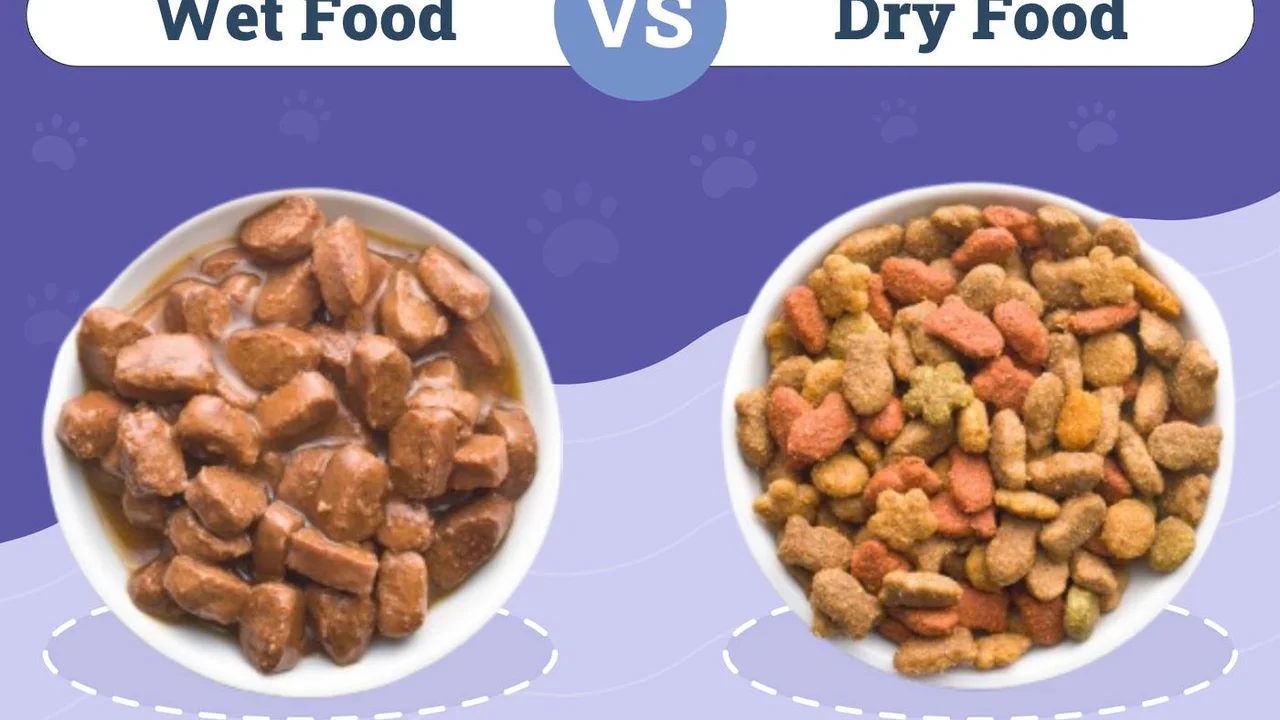
Wet cat food vs dry cat food: which diet is healthier? Compare the benefits and drawbacks for your cat.
Comparing Wet Cat Food vs Dry Cat Food
Hey there, fellow cat parents! One of the biggest debates in the feline world revolves around what to feed our beloved companions: wet food or dry kibble? It’s a question that sparks passionate discussions, and for good reason. Our cats’ diets play a crucial role in their overall health, longevity, and happiness. So, let’s dive deep into the world of cat nutrition and break down the pros and cons of both wet and dry cat food, helping you make an informed decision for your furry friend.
Understanding Feline Nutritional Needs: What Do Cats Really Need?
Before we compare food types, it’s essential to understand what makes a cat’s diet complete and balanced. Cats are obligate carnivores, meaning their bodies are designed to thrive on a diet primarily composed of animal protein. They require specific nutrients found almost exclusively in animal tissues. Here’s a quick rundown of their key dietary needs:
- High Animal Protein: This is non-negotiable. Cats need protein from meat, poultry, or fish to build and maintain muscle, produce enzymes and hormones, and support their immune system.
- Moderate Fat: Fats provide concentrated energy and essential fatty acids (like Omega-3 and Omega-6) crucial for skin, coat, and organ health.
- Low Carbohydrates: Unlike omnivores, cats have a limited ability to digest and utilize carbohydrates. High carb diets can contribute to obesity and other health issues.
- Essential Vitamins and Minerals: These include taurine (vital for heart and eye health), Vitamin A, B vitamins, calcium, phosphorus, and many others.
- Water: Hydration is key for all bodily functions, especially kidney health.
The Case for Wet Cat Food: Hydration and Protein Power
Wet cat food, often found in cans or pouches, typically contains 70-85% water. This high moisture content is one of its most significant advantages, especially considering that cats naturally have a low thirst drive and often don't drink enough water on their own. This is particularly important for preventing urinary tract issues like urinary crystals and kidney disease.
Benefits of Wet Cat Food for Feline Health
- Superior Hydration: As mentioned, the high water content helps keep your cat well-hydrated, supporting kidney and urinary tract health. This is a huge plus, especially for cats prone to urinary issues or those living in warmer climates.
- Higher Protein Content: Wet foods generally have a higher percentage of animal-based protein on a dry matter basis compared to most dry kibbles. This aligns perfectly with a cat's carnivorous needs, supporting lean muscle mass and overall vitality.
- Lower Carbohydrate Content: Most quality wet foods are significantly lower in carbohydrates than dry foods. This can help prevent obesity and manage blood sugar levels, which is beneficial for diabetic cats or those at risk.
- Palatability: Many cats find wet food more appealing due to its texture, aroma, and taste. This can be a lifesaver for picky eaters or cats with dental issues that make chewing dry kibble difficult.
- Weight Management: The higher water and protein content can help cats feel fuller, potentially aiding in weight loss or maintenance by reducing overall calorie intake.
Drawbacks of Wet Cat Food: Cost and Convenience Considerations
- Higher Cost: Generally, wet cat food is more expensive per serving than dry kibble. This can add up, especially if you have multiple cats.
- Shorter Shelf Life Once Opened: Once a can or pouch is opened, it needs to be refrigerated and typically consumed within 24-48 hours to prevent spoilage. This requires more careful portioning and storage.
- Less Convenient: Feeding wet food can be messier and requires more frequent cleaning of bowls. It also can't be left out all day, which might be an issue for cats who prefer to graze.
- Dental Health: While some argue that wet food doesn't provide the same abrasive action as kibble to clean teeth, the impact of dry food on dental health is often overstated. Regular dental care (brushing, dental treats, vet cleanings) is more effective.
The Case for Dry Cat Food: Convenience and Affordability
Dry cat food, or kibble, is a popular choice for many cat owners due to its convenience and cost-effectiveness. It typically contains 5-10% water and is processed into small, crunchy pieces.
Benefits of Dry Cat Food for Busy Lifestyles
- Convenience: Dry food can be left out for longer periods without spoiling, making it ideal for free-feeding or for owners with busy schedules.
- Affordability: It's generally less expensive than wet food, making it a more budget-friendly option for many households.
- Dental Health (Limited): Some dry kibbles are specifically designed with larger, abrasive pieces to help reduce plaque and tartar buildup. However, this effect is often minimal compared to professional dental care.
- Easy Storage: Dry food is easy to store in airtight containers, taking up less space than multiple cans of wet food.
Drawbacks of Dry Cat Food: Hydration and Ingredient Concerns
- Low Moisture Content: This is the biggest concern. Cats on an exclusively dry food diet may not get enough water, increasing the risk of dehydration and urinary tract issues.
- Higher Carbohydrate Content: To form kibble, starches are needed as binders. This often means dry foods have a higher carbohydrate content, which is not ideal for obligate carnivores and can contribute to obesity and diabetes.
- Lower Protein (Often): While there are high-protein dry foods, many standard kibbles have a lower percentage of animal protein compared to wet foods.
- Less Palatable: Some cats find dry food less appealing than wet food, especially if they are used to the richer taste and texture of canned options.
- Ingredient Quality: It can be harder to discern the quality of ingredients in dry food, as many contain fillers and by-products.
Comparing Specific Products: Top Picks for Wet and Dry Cat Food
Let's look at some popular and well-regarded brands in both categories, considering their typical ingredients, use cases, and price points. Remember, prices are approximate and can vary based on retailer, location, and package size.
Recommended Wet Cat Food Brands: High Moisture and Quality Ingredients
When choosing wet food, look for options with real meat as the first ingredient, limited fillers, and a good balance of nutrients. Here are a few top contenders:
1. Weruva Pate Wet Cat Food
- Key Features: Weruva is known for its high-quality, human-grade ingredients. Their pates are often grain-free and feature real meat or fish as the primary ingredient. They offer a wide variety of flavors and textures.
- Use Case: Excellent for cats needing high protein and moisture, picky eaters, or those with sensitivities to common allergens. Great for maintaining a healthy weight.
- Comparison: Often considered a premium brand, offering transparent ingredient sourcing.
- Approximate Price: $2.00 - $3.00 per 5.5 oz can.
2. Fancy Feast Classic Pate Wet Cat Food
- Key Features: While often seen as a more budget-friendly option, Fancy Feast Classic Pates (specifically the Classic line, not the Gravy Lovers or other varieties which can be higher in carbs) are surprisingly good. They are typically low in carbohydrates and high in protein.
- Use Case: A good everyday option for cats who enjoy pate texture. More affordable for multi-cat households while still providing good nutrition.
- Comparison: A more accessible and widely available option that still meets good nutritional standards for wet food.
- Approximate Price: $0.80 - $1.20 per 3 oz can.
3. Tiki Cat Aloha Friends Grain-Free Wet Food
- Key Features: Tiki Cat focuses on whole, recognizable ingredients, often featuring flaked fish or shredded chicken in a broth. Very high in moisture and protein, and typically grain-free.
- Use Case: Ideal for cats needing maximum hydration, those with sensitive stomachs, or owners who prefer a more natural, less processed look to their cat's food.
- Comparison: Another premium brand, often praised for its ingredient transparency and palatability.
- Approximate Price: $2.50 - $3.50 per 6 oz can.
Recommended Dry Cat Food Brands: Balanced Nutrition and Dental Support
If you opt for dry food, look for options with high animal protein, moderate fat, and lower carbohydrate content. Some brands also offer dental-specific kibble.
1. Orijen Original Cat Food
- Key Features: Orijen is known for its biologically appropriate philosophy, meaning their foods are designed to mimic a cat's natural diet. It's very high in protein (often 40%+) from fresh and raw animal ingredients, and low in carbohydrates.
- Use Case: Excellent for active cats, those needing high protein, or owners looking for a grain-free, high-quality dry option.
- Comparison: A top-tier dry food, often compared to raw diets in terms of ingredient quality and protein content.
- Approximate Price: $35 - $45 for a 4 lb bag.
2. Purina Pro Plan LiveClear Dry Cat Food
- Key Features: This innovative dry food is formulated to reduce allergens in cat hair and dander. It also offers balanced nutrition with real chicken as the first ingredient.
- Use Case: Ideal for households where human family members have cat allergies, while still providing good nutrition.
- Comparison: Unique in its allergen-reducing properties, making it a specialized choice.
- Approximate Price: $25 - $35 for a 3.5 lb bag.
3. Royal Canin Veterinary Diet Dental Dry Cat Food
- Key Features: Specifically designed to help reduce plaque and tartar buildup through its unique kibble shape and texture. It's a veterinary-prescribed diet, so you'd typically need a vet's recommendation.
- Use Case: For cats prone to dental issues, or as part of a comprehensive dental health plan.
- Comparison: A specialized, therapeutic diet focused on dental health, often used in conjunction with other dental care.
- Approximate Price: $30 - $40 for a 3.5 lb bag.
The Hybrid Approach: Best of Both Worlds for Feline Nutrition
Many veterinarians and cat nutritionists advocate for a mixed feeding approach, combining both wet and dry food. This strategy allows you to leverage the benefits of both types while mitigating their drawbacks.
Benefits of Combination Feeding: Optimal Hydration and Dental Care
- Enhanced Hydration: By including wet food in their diet, your cat gets that crucial extra moisture, supporting kidney and urinary health.
- Dental Stimulation: While not a substitute for brushing, the crunch of dry kibble can offer some mechanical cleaning action.
- Variety and Enrichment: Offering different textures and flavors can make mealtime more exciting for your cat and prevent them from becoming overly fixated on one type of food.
- Nutritional Balance: You can choose a high-quality wet food for its protein and moisture, and a complementary dry food that offers specific benefits (like dental support or allergen reduction).
- Cost-Effectiveness: Mixing allows you to reduce the overall cost compared to an exclusively wet food diet, while still providing significant hydration benefits.
How to Implement a Mixed Diet: Tips for Transitioning Your Cat
If you decide to go with a mixed diet, here are some ways to do it:
- Morning Wet, Evening Dry: Offer wet food in the morning and dry food in the evening, or vice versa.
- Separate Meals: Feed wet food as one meal and dry food as another, at different times of the day.
- Mix in the Bowl: Some owners mix a small amount of wet food with dry kibble, though some cats might pick out their preferred texture.
- Gradual Transition: When introducing new food, do it slowly over 7-10 days to avoid digestive upset. Start with a small amount of the new food mixed with the old, gradually increasing the proportion.
Special Considerations: Age, Health, and Lifestyle Factors
The best food choice for your cat isn't a one-size-fits-all answer. Several factors should influence your decision:
Kitten Nutrition vs Senior Cat Diets: Tailoring Food to Life Stages
- Kittens: Need higher calories, protein, and specific nutrients for growth. Both wet and dry kitten formulas are available. Wet food can be great for hydration and palatability during weaning.
- Adult Cats: Most adult cats thrive on a balanced diet of either wet, dry, or a combination.
- Senior Cats: Often benefit from higher moisture content (wet food) to support kidney function and softer textures if they have dental issues. They may also need fewer calories to prevent weight gain as their activity levels decrease.
Health Conditions: Dietary Needs for Specific Feline Ailments
- Urinary Tract Issues: Wet food is highly recommended due to its high moisture content, which helps dilute urine and flush out the urinary tract. Prescription diets (both wet and dry) are available for specific conditions like FLUTD or kidney disease.
- Obesity: Lower-calorie wet foods or controlled portions of high-protein dry food can help. The high water content in wet food can help cats feel fuller.
- Diabetes: Low-carbohydrate wet food is often recommended to help manage blood sugar levels.
- Dental Disease: While some dry foods claim dental benefits, regular brushing and professional cleanings are paramount. Softer wet food can be easier for cats with painful teeth.
Lifestyle and Environment: Indoor vs Outdoor Cats
- Indoor Cats: Often less active and prone to weight gain. They may benefit from controlled portions and higher moisture to compensate for less access to fresh water sources.
- Outdoor Cats: Tend to be more active and may require more calories. However, they are also exposed to more environmental factors, so a strong immune system supported by good nutrition is key.
Making the Best Choice for Your Cat: A Personalized Approach
Ultimately, the best diet for your cat is one that they thrive on, maintains a healthy weight, supports their energy levels, and keeps their coat shiny and eyes bright. Here’s a summary to help you decide:
- If hydration is your top priority (especially for cats with urinary or kidney concerns): Lean towards a predominantly wet food diet.
- If convenience and budget are key: Dry food can be a good option, but ensure your cat drinks plenty of water and consider supplementing with wet food.
- For the best of both worlds: A mixed diet of high-quality wet and dry food is often recommended by vets.
Always consult with your veterinarian. They can provide personalized advice based on your cat's age, breed, health status, and lifestyle. They might recommend specific brands or prescription diets if your cat has particular health needs. Pay attention to your cat's response to their food – changes in energy, coat condition, litter box habits, or weight can all be indicators of whether their diet is working for them. Happy feeding!
:max_bytes(150000):strip_icc()/277019-baked-pork-chops-with-cream-of-mushroom-soup-DDMFS-beauty-4x3-BG-7505-5762b731cf30447d9cbbbbbf387beafa.jpg)