Choosing the Right Wildlife Volunteer Program
Learn how to choose the right wildlife volunteer program. Make a meaningful contribution to conservation.
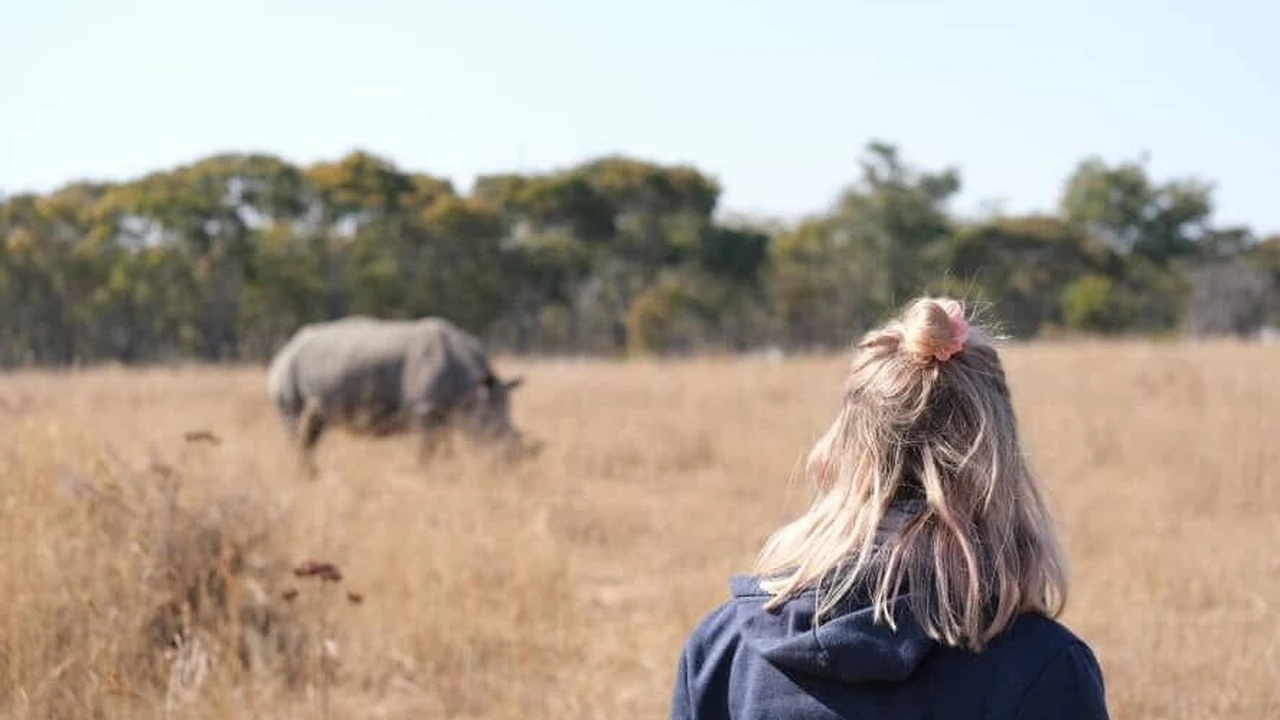
Learn how to choose the right wildlife volunteer program. Make a meaningful contribution to conservation.
Choosing the Right Wildlife Volunteer Program
So, you're ready to roll up your sleeves and make a real difference for wildlife? That's fantastic! Volunteering with wildlife can be an incredibly rewarding experience, offering a unique chance to connect with nature, learn new skills, and contribute to vital conservation efforts. But with so many programs out there, how do you pick the one that's right for you? It's not just about finding a cool location; it's about aligning your passions, skills, and expectations with a reputable and impactful organization. Let's dive into everything you need to consider to make an informed choice.
Understanding Your Motivation and Goals for Wildlife Volunteering
Before you even start browsing programs, take a moment to reflect on why you want to volunteer. Are you passionate about a specific animal, like elephants or sea turtles? Do you want to gain hands-on experience in veterinary care, research, or habitat restoration? Are you looking for a short-term adventure or a longer, more immersive experience? Your answers will help narrow down the vast array of options. For example, if you dream of working directly with injured animals, a wildlife rescue and rehabilitation center would be a better fit than a research project focused on population surveys. If you're keen on marine conservation, look for programs near coastal areas or coral reefs. Being clear about your goals will save you a lot of time and ensure you find a program that truly fulfills your aspirations.
Researching Reputable Wildlife Conservation Organizations
This is perhaps the most crucial step. Unfortunately, not all 'wildlife' programs are created equal. Some might be more focused on tourism than genuine conservation, or worse, exploit animals under the guise of welfare. You want to ensure your time and money are going to a legitimate cause. Here's how to do your due diligence:
Checking Accreditations and Affiliations for Ethical Wildlife Programs
Look for organizations that are accredited by recognized bodies. For example, in the US, organizations like the Global Federation of Animal Sanctuaries (GFAS) or the Association of Zoos and Aquariums (AZA) for facilities that house animals, indicate a commitment to high standards of animal welfare and ethical practices. Internationally, organizations like the World Association of Zoos and Aquariums (WAZA) or specific regional conservation networks can be good indicators. While not every small, impactful local project will have these, their presence is a strong positive signal. Always be wary of places that allow direct, unsupervised contact with wild animals, especially big cats or primates, as this is often a red flag for unethical practices.
Reading Reviews and Testimonials from Past Wildlife Volunteers
The internet is your friend here! Websites like GoAbroad, Volunteer Forever, and Workaway often feature reviews from previous volunteers. Pay attention to what people say about the program's impact, the quality of the work, the living conditions, and the support provided by staff. Look for consistent themes, both positive and negative. A few mixed reviews are normal, but a pattern of complaints about animal welfare, disorganization, or lack of meaningful work should raise concerns. Don't just skim; read detailed accounts to get a true picture.
Evaluating Program Transparency and Financial Accountability
A reputable organization will be transparent about its mission, its projects, and how your money is being used. Check their website for annual reports, financial statements, and clear descriptions of their conservation goals. If they're vague about where your fees go or what specific projects they support, that's a warning sign. They should be able to articulate their long-term conservation strategy and how volunteer efforts contribute to it.
Considering Program Type and Activities for Wildlife Enthusiasts
Wildlife volunteering isn't a one-size-fits-all activity. Programs vary widely in their focus and the tasks involved. Think about what kind of work excites you and what skills you bring to the table (or want to develop).
Wildlife Rehabilitation and Rescue Centers
These programs focus on caring for injured, orphaned, or sick wild animals with the goal of releasing them back into the wild. Tasks might include feeding, cleaning enclosures, assisting with medical treatments, and monitoring animal behavior. This is often hands-on and can be emotionally challenging but incredibly rewarding. Examples include Wildlife Rescue & Rehabilitation Inc. (Texas, USA) or Wildlife Alliance (Cambodia). These often require a longer commitment due to the training involved.
Conservation Research and Monitoring Projects
If you're interested in data collection, scientific methods, and understanding ecosystems, these programs are a great fit. You might be involved in tracking animals, conducting surveys, collecting samples, or monitoring habitats. This often involves fieldwork in remote locations. Think about projects like Earthwatch Institute, which offers various research expeditions globally, or specific marine biology projects in places like Thailand or Indonesia focusing on coral reef health or marine mammal populations.
Habitat Restoration and Reforestation Initiatives
These programs focus on improving or restoring natural habitats. Tasks could include planting trees, removing invasive species, building artificial reefs, or cleaning up beaches. This is often physically demanding but directly contributes to creating healthier environments for wildlife. Organizations like Conservation Volunteers Australia (which also has projects in Southeast Asia) or local land trusts often run such programs.
Community Engagement and Education Programs
Some programs combine direct conservation work with educating local communities about wildlife protection. You might help develop educational materials, teach children about conservation, or assist with community outreach events. This is ideal if you enjoy communication and want to foster a deeper connection between people and nature. Many elephant sanctuaries in Thailand, for instance, have strong community education components.
Logistics and Practical Considerations for Your Wildlife Adventure
Once you've identified a few potential programs, it's time to get down to the nitty-gritty details.
Program Duration and Time Commitment
How long can you commit? Programs can range from a few days to several months. Shorter programs might offer a taste of volunteering, while longer ones provide a more immersive and impactful experience. Be realistic about your availability and choose a program that fits your schedule.
Costs and Funding Your Wildlife Volunteer Trip
Volunteer programs often come with fees, which typically cover accommodation, food, in-country transport, project materials, and sometimes even a contribution to the organization's conservation efforts. Be clear about what's included and what's not (flights, visas, personal expenses are usually extra). Some organizations offer scholarships or fundraising support. For example, GVI (Global Vision International) offers a range of programs with varying costs, and they often provide fundraising advice. Expect program fees to range from a few hundred dollars for a week to several thousand for a month or more, depending on the location and what's included. For instance, a two-week sea turtle conservation program in Costa Rica might cost around $1500-$2500, while a month-long elephant conservation project in Thailand could be $2000-$4000, excluding flights.
Accommodation and Living Conditions for Volunteers
What are the living arrangements like? Will you be in shared dorms, tents, or homestays? What about facilities like bathrooms, showers, and internet access? Be prepared for rustic conditions, especially in remote conservation areas. Some programs might offer more comfortable options, but generally, volunteering isn't a luxury vacation. For example, many jungle-based projects might involve basic cabins or even hammocks, while urban animal shelters might offer shared apartments.
Required Skills and Qualifications for Wildlife Projects
Do you need specific skills or experience? While many programs welcome volunteers with no prior experience, some specialized roles (e.g., veterinary assistance, data analysis) might require certain qualifications. Always check the requirements carefully. Don't be discouraged if you don't have a biology degree; enthusiasm and a willingness to learn are often the most important assets!
Health and Safety Considerations for International Wildlife Volunteering
Research the health risks of your destination (vaccinations, malaria prophylaxis, etc.) and ensure the program has clear safety protocols. What kind of medical support is available? What are the emergency procedures? Travel insurance is an absolute must for any international volunteer trip. Organizations like World Nomads offer comprehensive travel insurance specifically designed for adventurous travelers and volunteers.
Specific Program Examples and Comparisons for Aspiring Wildlife Volunteers
Let's look at a few hypothetical examples to illustrate the variety and help you compare:
Example 1: Sea Turtle Conservation in Southeast Asia
- Program Name: 'Coastal Guardians Turtle Project' (Hypothetical)
- Location: Remote island in the Philippines or Malaysia
- Focus: Night patrols for nesting turtles, relocating eggs to hatcheries, monitoring hatchlings, beach cleanups, community education.
- Duration: 2-4 weeks recommended.
- Cost: Approximately $1800 for 2 weeks (includes accommodation, 3 meals/day, local transport, project donation). Flights extra.
- Living Conditions: Basic shared bungalows or tents, communal composting toilets, cold showers, limited electricity/internet.
- Skills Needed: Good physical fitness for night patrols, ability to work in hot/humid conditions, patience, teamwork. No prior experience required.
- Why choose this: Direct, hands-on impact on endangered species, beautiful remote location, cultural immersion.
Example 2: Elephant Sanctuary Support in Thailand
- Program Name: 'Gentle Giants Sanctuary Volunteer' (Hypothetical)
- Location: Northern Thailand, near Chiang Mai.
- Focus: Preparing food for rescued elephants, cleaning enclosures, assisting mahouts (elephant caretakers) with daily routines, planting food crops, educating visitors. No riding or direct interaction with elephants for tourist purposes.
- Duration: 1-2 weeks.
- Cost: Approximately $1000 for 1 week (includes accommodation in shared dorms, vegetarian meals, local transport). Flights extra.
- Living Conditions: Shared dormitories with fans, shared Western-style bathrooms, basic internet access in common areas.
- Skills Needed: Moderate physical fitness, willingness to do manual labor, respect for animal welfare principles, open-mindedness.
- Why choose this: Supports ethical elephant tourism, contributes to the welfare of rescued animals, cultural experience.
Example 3: Marine Research Assistant in the Caribbean
- Program Name: 'Coral Reef Health Monitor' (Hypothetical)
- Location: Small island in Belize or Honduras.
- Focus: SCUBA diving to conduct coral health surveys, fish identification, data entry, lionfish removal, marine debris cleanups.
- Duration: 4-8 weeks.
- Cost: Approximately $3500 for 4 weeks (includes accommodation, meals, dive equipment rental, project training). Flights and dive certification (if not already held) extra.
- Living Conditions: Shared cabins or dorms, shared bathrooms, often on a research station with basic amenities.
- Skills Needed: PADI Open Water Diver certification (or equivalent) minimum, strong swimming skills, attention to detail, ability to work independently and in a team.
- Why choose this: Gain scientific research experience, contribute to vital marine ecosystem protection, incredible diving opportunities.
Making Your Final Decision and Preparing for Your Journey
Once you've weighed all these factors and found a program that feels like the perfect fit, it's time to apply! Be prepared for an application process that might include essays, interviews, and background checks. Once accepted, start planning your travel logistics, vaccinations, and packing list. Remember to pack light, practical clothing suitable for the climate and work you'll be doing. An open mind, a positive attitude, and a willingness to adapt are your most important tools for a successful and impactful wildlife volunteering experience. You're about to embark on an incredible journey that will not only benefit wildlife but also enrich your own life in countless ways. Good luck, and thank you for making a difference!
:max_bytes(150000):strip_icc()/277019-baked-pork-chops-with-cream-of-mushroom-soup-DDMFS-beauty-4x3-BG-7505-5762b731cf30447d9cbbbbbf387beafa.jpg)