Comparing the Best Cat Litters for Odor Control
Find the best cat litters for odor control. We compare top options for a fresh-smelling home.
Find the best cat litters for odor control. We compare top options for a fresh-smelling home.
Comparing the Best Cat Litters for Odor Control
Understanding Cat Litter Types and Odor Control Mechanisms
Let's face it, nobody enjoys a stinky litter box. As cat parents, we all strive for a fresh-smelling home, and a big part of achieving that is choosing the right cat litter. But with so many options on the market, how do you pick the best one for odor control? It's not just about masking smells; it's about neutralizing them, absorbing moisture, and providing a comfortable environment for your feline friend. Different litter types employ various mechanisms to tackle odors, and understanding these can help you make an informed decision.
First up, we have clumping clay litter. This is probably the most common type you'll find. Its primary odor control mechanism lies in its ability to form solid clumps when exposed to moisture (cat urine). This allows you to scoop out the waste easily, removing the source of the odor. Many clumping clay litters also incorporate activated charcoal or baking soda to further absorb and neutralize smells. The fine granules of clay also offer a large surface area for absorption. However, some cat parents find the dust from clay litter to be an issue, and it can track around the house.
Next, consider silica gel litter, often referred to as crystal litter. These tiny crystals are incredibly absorbent, soaking up urine and dehydrating solid waste. Their porous structure traps odors effectively, and they can last much longer than clay litter before needing a full change. The downside? Some cats don't like the texture, and it can be more expensive upfront. However, its longevity often balances out the cost.
Then there's natural litter, a broad category that includes options made from pine, corn, wheat, paper, and even walnuts. These litters often rely on natural enzymes or plant-based absorbents to control odor. Pine litter, for example, has a natural pine scent that can help mask odors, and its wood fibers are highly absorbent. Corn and wheat litters use starches to clump and absorb. Paper litter is often recycled and can be very absorbent, though its odor control can vary. Natural litters are often biodegradable and dust-free, making them a popular choice for environmentally conscious cat owners and those with sensitive cats.
Finally, some litters are specifically formulated with added odor neutralizers. These can be anything from perfumes (which some cats and humans find irritating) to more sophisticated chemical compounds designed to break down odor-causing molecules. It's important to find a balance here, as strong scents can deter some cats from using the litter box.
Top Contenders for Superior Odor Control Cat Litter
Now that we've covered the basics, let's dive into some of the best cat litters on the market known for their exceptional odor control. We've considered various factors like effectiveness, cat acceptance, dust levels, and overall value.
1. Arm & Hammer Clump & Seal Multi-Cat Litter
Product Overview: Arm & Hammer is a household name, and their Clump & Seal Multi-Cat Litter lives up to its reputation. This clumping clay litter is specifically designed for multi-cat households, which means it's built to handle serious odor challenges. It uses a patented technology that forms a tight seal around odors, plus it contains baking soda for extra odor neutralization. The fine granules create very hard clumps, making scooping a breeze.
Odor Control Mechanism: The 'Clump & Seal' technology is key here. It creates a barrier that seals in odors on contact. The inclusion of Arm & Hammer baking soda further absorbs and neutralizes smells, rather than just masking them. This combination is highly effective, even in high-traffic litter boxes.
User Experience and Cat Acceptance: Many cat owners rave about its odor control capabilities, often noting a significant reduction in litter box smell. The clumping action is excellent, leading to less waste and a cleaner box. Most cats seem to accept it well, though some might be sensitive to the slight fresh scent it carries. Dust levels are generally low compared to traditional clay litters.
Typical Price Range: A 28-pound box typically ranges from $18 to $25 USD. Prices can vary based on retailer and promotions.
Ideal Usage Scenario: Perfect for multi-cat homes or single-cat homes where odor is a major concern. If you want a reliable, strong-performing clumping litter that keeps smells at bay, this is a top choice.
2. Dr Elsey's Precious Cat Ultra Premium Clumping Cat Litter
Product Overview: Dr. Elsey's Ultra is a veterinarian-formulated, all-natural clumping clay litter known for its superior clumping and low dust. It's unscented, which is a huge plus for cats and owners sensitive to fragrances. It's also designed to be a hard-clumping litter that prevents moisture from reaching the bottom of the litter box, which is crucial for odor prevention.
Odor Control Mechanism: This litter relies on its exceptional clumping ability to trap and remove odors. By forming hard, tight clumps, it effectively encapsulates urine and feces, preventing ammonia smells from developing. Its heavy, non-tracking granules also help keep the litter box area cleaner, further contributing to a fresh environment. Being unscented, it doesn't try to mask odors but rather eliminates them through efficient waste removal.
User Experience and Cat Acceptance: Dr. Elsey's Ultra is a favorite among cat owners, especially those with finicky felines or allergies. Its low dust formula is a major benefit for respiratory health for both pets and humans. The hard clumps make scooping incredibly easy and efficient, reducing litter waste. Cats generally take to this litter very well due to its natural feel and lack of scent.
Typical Price Range: A 40-pound bag usually costs between $20 and $30 USD. While a larger bag, it offers excellent value due to its performance and longevity.
Ideal Usage Scenario: Excellent for cats with allergies or respiratory issues, and owners who prefer an unscented litter. It's also a fantastic choice for multi-cat households due to its strong odor control and clumping power.
3. World's Best Cat Litter Multiple Cat Clumping Formula
Product Overview: Don't let the name fool you; this isn't just marketing hype. World's Best Cat Litter is a natural, corn-based clumping litter that truly stands out. It's 99% dust-free, flushable (in small quantities, check local regulations), and incredibly lightweight. The multi-cat formula is designed to tackle tough odors naturally.
Odor Control Mechanism: Made from whole-kernel corn, this litter uses the natural absorbency of corn to trap odors. The porous structure of corn effectively absorbs moisture and ammonia, preventing smells from developing. It forms tight, scoopable clumps that encapsulate waste, allowing for easy removal. Being natural, it doesn't rely on harsh chemicals or strong perfumes.
User Experience and Cat Acceptance: Many cat owners love this litter for its natural composition, low dust, and flushability. It's very lightweight, making it easier to carry and pour. The clumping is generally good, though some users report it can be slightly softer than clay clumps. Cats typically adapt well to its natural texture. The natural corn scent is subtle and not overpowering.
Typical Price Range: A 28-pound bag typically costs between $30 and $40 USD, making it one of the pricier options. However, its natural benefits and performance often justify the cost for many.
Ideal Usage Scenario: Best for environmentally conscious cat owners, those seeking a natural and biodegradable option, or households where dust is a significant concern. It's also a good choice for cats with sensitive paws or respiratory issues.
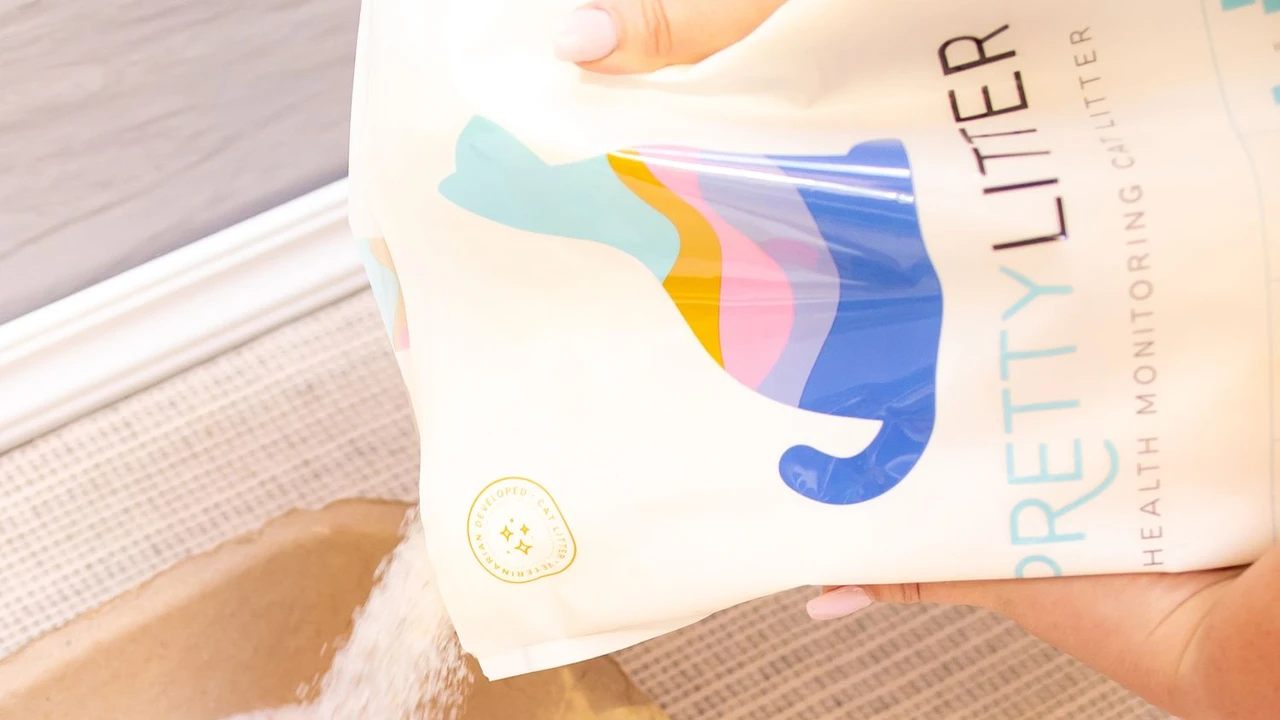
4. PrettyLitter Health Monitoring Silica Gel Cat Litter
Product Overview: PrettyLitter is a unique silica gel litter that not only controls odor but also monitors your cat's health. The crystals change color to indicate potential health issues like urinary tract infections, kidney problems, or metabolic acidosis. It's lightweight, highly absorbent, and designed for long-lasting odor control.
Odor Control Mechanism: As a silica gel litter, PrettyLitter excels at absorbing moisture and dehydrating waste. The highly porous crystals trap odor-causing molecules within their structure. Because it's so absorbent, a single bag can last a month for one cat, meaning less frequent litter changes and consistent odor control. The health-monitoring aspect is a bonus, as early detection of issues can prevent more serious problems.
User Experience and Cat Acceptance: Owners appreciate the convenience of less frequent full litter changes and the peace of mind that comes with health monitoring. It's virtually dust-free and lightweight. Some cats might initially be hesitant about the crystal texture, but most adapt quickly. The odor control is generally excellent, with many users reporting no litter box smell at all.
Typical Price Range: A 6-pound bag (one month supply for one cat) costs around $22 to $28 USD, often sold as a subscription. While seemingly expensive per bag, its longevity makes it comparable to other premium litters over time.
Ideal Usage Scenario: Perfect for cat owners who prioritize health monitoring, convenience, and superior odor control. It's also a great option for small apartments or homes where space for litter boxes is limited, as it requires less frequent full changes.
5. Tidy Cats Breeze Litter System
Product Overview: The Tidy Cats Breeze Litter System is a complete litter box solution that uses specialized pellets and absorbent pads. It's a non-clumping system designed to separate liquid from solid waste, offering a unique approach to odor control and cleanliness. The system includes a litter box with a slotted tray, anti-tracking pellets, and super-absorbent pads.
Odor Control Mechanism: This system tackles odor in a multi-faceted way. The anti-tracking pellets are designed to dehydrate solid waste, reducing its smell. Urine passes through the pellets onto an absorbent pad below, which locks away moisture and ammonia odors. The pads are highly effective at neutralizing urine smells, and because they are contained, the overall litter box area stays much cleaner and fresher. The pellets themselves are low-dust and don't absorb urine, which means they stay cleaner longer.
User Experience and Cat Acceptance: Many users find this system incredibly effective for odor control and cleanliness. Scooping solid waste is easy, and changing the pad is quick and mess-free. The pellets are large, virtually eliminating tracking. Some cats might need a transition period to get used to the pellet texture, but most adapt well. It's particularly good for owners who dislike scooping urine clumps.
Typical Price Range: The starter system (litter box, pellets, and pads) typically costs $30 to $50 USD. Replacement pellets (3.5 lb bag) are around $10-$15, and replacement pads (4-pack) are $7-$10. The ongoing cost is comparable to premium litters.
Ideal Usage Scenario: Excellent for owners who want a low-maintenance, highly effective odor control system. It's particularly good for small spaces, multi-cat households, or anyone who wants to minimize litter tracking and dust.
Factors to Consider When Choosing Your Odor Control Litter
Selecting the perfect litter isn't a one-size-fits-all situation. What works for one cat and household might not work for another. Here are some key factors to keep in mind as you make your decision:
Cat Preference and Sensitivity to Litter Texture and Scent
Your cat's preference is paramount. If your cat doesn't like the litter, they might start avoiding the litter box, leading to accidents outside of it. Some cats prefer fine, sand-like textures, while others don't mind larger granules or crystals. Similarly, some cats are highly sensitive to strong scents, whether they're added perfumes or natural aromas like pine. An unscented litter is often a safe bet, especially if you're unsure of your cat's preferences. Observe your cat's behavior when introducing a new litter; if they seem hesitant or avoid the box, it might not be the right fit.
Dust Levels and Respiratory Health for Pets and Humans
Dust is a common complaint with many litters, especially traditional clay varieties. High dust levels can be irritating to both human and feline respiratory systems, potentially exacerbating allergies or asthma. Look for litters explicitly labeled 'low dust' or '99% dust-free.' Natural litters like corn or paper often have very low dust. Silica gel litters are also typically dust-free. Prioritizing low-dust options can significantly improve the air quality in your home and the health of your cat.
Clumping Ability and Ease of Scooping for Maintenance
Good clumping ability is directly linked to effective odor control. When urine forms a solid, tight clump, it's easy to scoop out, removing the source of the smell. Litters that form soft, crumbly clumps can leave behind residue, which quickly leads to odor buildup. Hard-clumping litters also mean less wasted litter, as you're only removing the soiled portions. Consider how easy it is to scoop and how well the clumps hold together when evaluating this factor.
Environmental Impact and Biodegradability of Litter Materials
For many cat owners, the environmental impact of their choices is increasingly important. Traditional clay litter is strip-mined and not biodegradable, contributing to landfills. Natural litters made from corn, wheat, pine, or paper are often biodegradable and sourced from renewable resources. Some natural litters are even flushable (though always check local regulations and use sparingly to avoid plumbing issues). If sustainability is a priority for you, explore the natural litter options.
Cost Effectiveness and Longevity of Different Litter Types
While the initial price tag is a factor, consider the overall cost-effectiveness. A cheaper litter that needs frequent full changes or doesn't control odor well might end up costing more in the long run due to increased usage and potential health issues from a dirty box. Silica gel litters, for example, can be more expensive per bag but last much longer. Hard-clumping litters reduce waste, extending the life of each bag. Calculate the cost per month rather than just the cost per bag to get a true sense of value.
Tips for Maximizing Odor Control Beyond Litter Choice
Even the best litter won't work miracles if other aspects of litter box hygiene are neglected. Here are some essential tips to keep your home smelling fresh, regardless of your litter choice:
Regular Scooping Schedule and Full Litter Changes
This is perhaps the most crucial tip. Scoop your litter box at least once a day, ideally twice. The longer urine and feces sit in the box, the more time odor-causing bacteria have to multiply. For clumping litters, remove all clumps and solid waste. For non-clumping litters, remove solid waste daily and stir the litter to distribute moisture. A full litter change, where you empty the entire box, wash it, and refill with fresh litter, should happen every 2-4 weeks, depending on the litter type and number of cats. Silica gel litters can often go longer, while some natural litters might need more frequent full changes.
Proper Litter Box Placement and Ventilation
Where you put the litter box matters. Avoid placing it in high-traffic areas or enclosed, poorly ventilated spaces like small closets. A well-ventilated area helps dissipate odors. However, don't put it somewhere too exposed where your cat might feel vulnerable. A quiet corner in a room with good airflow is often ideal. Consider using an air purifier near the litter box area, but not so close that it disturbs your cat.
Using Litter Box Deodorizers and Air Purifiers
While a good litter is your first line of defense, supplemental products can help. Litter box deodorizers, often in powder or spray form, can be added to the litter to boost odor control. Look for unscented options or those with natural ingredients like baking soda or activated charcoal. Air purifiers specifically designed to remove pet odors can also be very effective, especially in multi-cat homes or smaller living spaces. Just ensure any products you use are pet-safe and don't deter your cat from using the box.
Maintaining the Right Number of Litter Boxes for Your Household
The general rule of thumb is one litter box per cat, plus one extra. So, if you have two cats, you should ideally have three litter boxes. This reduces competition, ensures a clean option is always available, and prevents any single box from becoming overwhelmed with waste. More litter boxes mean less concentrated odor in any one spot and a happier, healthier environment for your cats.
Cleaning the Litter Box Itself Regularly
Even with diligent scooping, the litter box itself can absorb odors over time. When you do a full litter change, thoroughly wash the litter box with warm water and mild, unscented soap. Avoid harsh chemicals or strong-smelling cleaners, as these can leave residues that deter your cat. A good scrub will remove any lingering bacteria and odor-causing particles. If your litter box is old and scratched, consider replacing it, as scratches can harbor bacteria and make cleaning less effective.
Comparing the Best Cat Litters for Odor Control: A Final Word
Ultimately, the best cat litter for odor control is the one that works best for you and your cat. It might take some experimentation to find the perfect match, but by understanding the different types of litter, their odor control mechanisms, and considering your cat's preferences and your lifestyle, you're well on your way to a fresh-smelling home. Remember to combine your chosen litter with consistent scooping, proper placement, and regular cleaning for the best results. A happy cat and a fresh home are well within reach!
:max_bytes(150000):strip_icc()/277019-baked-pork-chops-with-cream-of-mushroom-soup-DDMFS-beauty-4x3-BG-7505-5762b731cf30447d9cbbbbbf387beafa.jpg)