Comparing the Best Rabbit Hutches for Outdoor Use
Find the best rabbit hutches for outdoor use. We compare top options for safety and weather protection.
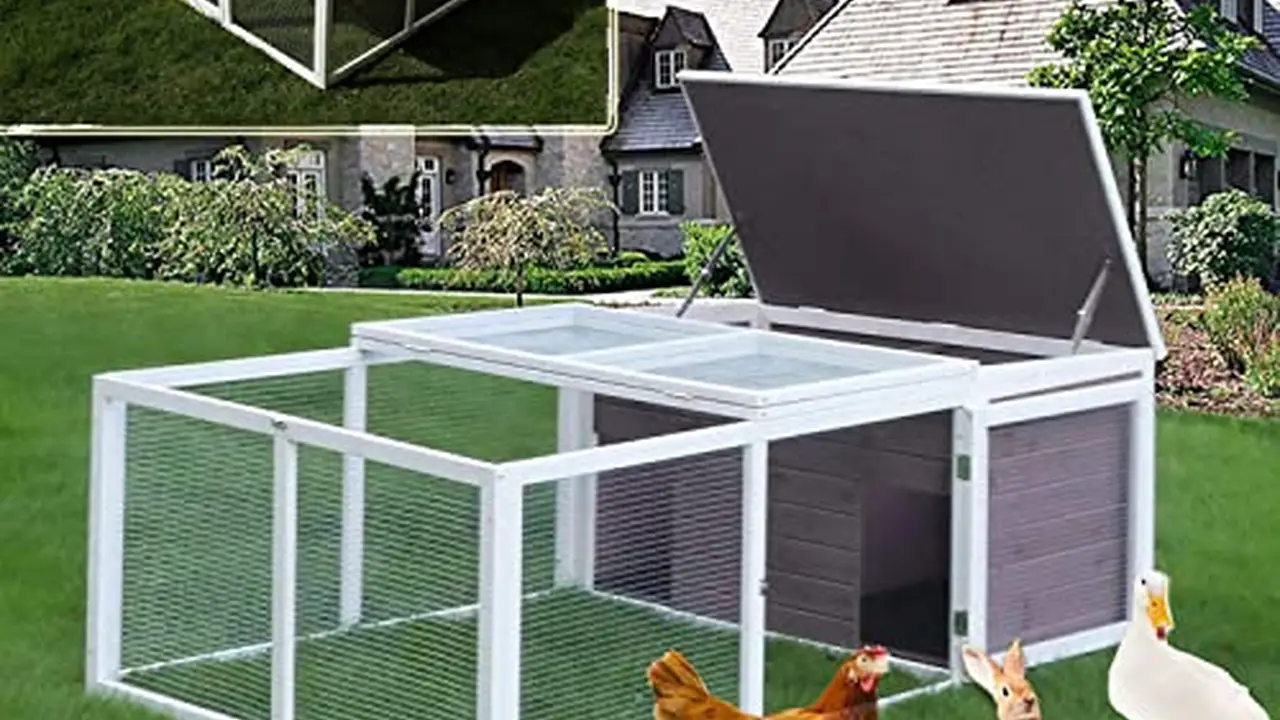
Find the best rabbit hutches for outdoor use. We compare top options for safety and weather protection.
Comparing the Best Rabbit Hutches for Outdoor Use
Hey there, fellow rabbit enthusiasts! If you're thinking about giving your fluffy friend some fresh air and sunshine, an outdoor rabbit hutch is probably on your mind. But let's be real, picking the right one can feel like a quest. There are so many options out there, and you want to make sure your bunny is safe, comfortable, and protected from the elements and predators. That's why we're diving deep into comparing the best rabbit hutches for outdoor use, focusing on safety, weather protection, durability, and overall bunny happiness. We'll look at different designs, materials, and even some specific product recommendations to help you make an informed decision. So, let's get started on finding that perfect outdoor pad for your hopping companion!
Understanding Rabbit Hutch Essentials for Outdoor Safety and Comfort
Before we jump into specific models, it's super important to understand what makes a great outdoor rabbit hutch. It's not just about a pretty design; it's about creating a secure and comfortable environment for your rabbit. Think of it as building a mini fortress for your furry friend.
Predator Protection Features in Outdoor Rabbit Hutches
This is probably the number one concern for any outdoor hutch. Predators like foxes, raccoons, coyotes, and even neighborhood cats and dogs can pose a serious threat. So, what should you look for?
- Strong Wire Mesh: Forget flimsy chicken wire. You need heavy-gauge, welded wire mesh, preferably 14-gauge or thicker. The openings should be small enough (around 1x1 inch or smaller) to prevent predators from reaching in and to stop your rabbit from squeezing out.
- Secure Latches: Simple hook-and-eye latches won't cut it. Look for barrel bolts, padlock-compatible latches, or even multiple latches on each door. Predators are surprisingly clever!
- Solid Construction: The hutch itself should be made from sturdy, chew-proof materials. Wood should be thick and well-joined, and any plastic components should be heavy-duty.
- Elevated Design: Many good outdoor hutches are elevated off the ground. This helps prevent predators from digging underneath and also keeps your rabbit dry and away from ground-dwelling pests.
- Solid Floor or Wire Bottom with Tray: A solid floor is great for comfort, but if it has a wire bottom, make sure there's a pull-out tray underneath for easy cleaning and to prevent predators from reaching up.
Weather Protection and Insulation for Outdoor Rabbit Hutches
Rabbits are sensitive to extreme temperatures. They can easily suffer from heatstroke in summer and hypothermia in winter. Your hutch needs to be a sanctuary from the elements.
- Waterproof Roof: A sloped, waterproof roof (often asphalt or felt-covered) is essential to shed rain and snow. Overhangs are a bonus for extra protection.
- Draft-Free Sleeping Area: Rabbits need a completely enclosed, draft-free sleeping compartment where they can retreat from wind, rain, and cold. This area should be dark and cozy.
- Ventilation: While a draft-free area is crucial, overall good ventilation is also important to prevent humidity buildup and respiratory issues, especially in warmer climates. Look for adjustable vents or strategically placed openings.
- Insulation (Optional but Recommended): For colder climates, some hutches offer insulation, or you might need to add your own. This could involve lining the sleeping area with polystyrene foam (covered to prevent chewing) or using hutch covers.
- Shade: In sunny areas, the hutch should always be placed in a shaded spot, or have a large roof overhang that provides ample shade throughout the day.
Durable Materials and Construction for Long-Lasting Rabbit Hutches
An outdoor hutch needs to withstand sun, rain, wind, and even your rabbit's chewing habits. Durability is key for longevity and safety.
- Treated Wood: Look for hutches made from treated fir wood or cedar, which are naturally more resistant to rot and insects. Ensure any treatment is non-toxic to rabbits.
- Galvanized Wire: Galvanized wire mesh is rust-resistant, which is crucial for outdoor use.
- Strong Hardware: Hinges, latches, and screws should be made of rust-resistant metal and securely attached.
- Chew-Proof Edges: Rabbits love to chew! While no hutch is 100% chew-proof, look for designs that minimize exposed wood edges or use metal strips to protect vulnerable areas.
Comparing Popular Outdoor Rabbit Hutch Designs and Features
Now that we know the essentials, let's explore some common hutch designs and their pros and cons. Each design caters to different needs and space availability.
Single-Story Rabbit Hutches with Run Access
These are often a good starting point, offering a basic hutch connected to a ground-level run. They are generally more affordable and easier to move.
- Pros: Direct access to grass, often more compact, easier to clean the run area.
- Cons: Less protection from digging predators (unless the run has a wire bottom or is frequently moved), can get muddy in wet weather, limited vertical space.
- Ideal for: Single rabbits or pairs in mild climates, where you can supervise outdoor time.
Two-Story Rabbit Hutches with Integrated Run
These are very popular, featuring an elevated hutch (often with a sleeping area) and a lower run area, connected by a ramp. This design offers a good balance of space and protection.
- Pros: Elevated sleeping area offers better protection from ground predators and dampness, more vertical space, often includes a sheltered run area.
- Cons: Can be heavier and harder to move, cleaning the upper level might require more effort.
- Ideal for: Single rabbits or pairs, providing a secure and comfortable environment with room to exercise.
Large Walk-In Rabbit Enclosures and Modular Systems
For those with more space and multiple rabbits, walk-in enclosures or modular systems are fantastic. These offer ample room for exercise, enrichment, and can often be customized.
- Pros: Maximum space for exercise and natural behaviors, can house multiple rabbits, easier for human interaction and cleaning, highly customizable.
- Cons: Requires significant space, often more expensive, can be more complex to assemble.
- Ideal for: Multiple rabbits, owners who want to spend a lot of time with their pets outdoors, or those looking for a permanent outdoor setup.
Top Recommended Outdoor Rabbit Hutches and Their Features
Alright, let's get to some specific product recommendations! We've scoured the market for some of the best options available, considering different budgets and needs. Remember, prices can vary based on retailers and promotions.
1. Advantek Stilt House Rabbit Hutch
This hutch is a popular choice for its sturdy construction and elevated design, making it great for predator protection and keeping your bunny dry.
- Key Features: Made from fir wood, elevated design with a ramp to a lower run, asphalt roof, pull-out tray for easy cleaning.
- Predator Protection: Good elevation, solid wood construction. You might want to reinforce latches for extra security.
- Weather Protection: Asphalt roof provides good rain protection. The elevated hutch keeps the sleeping area dry.
- Durability: Fir wood is generally durable, but like all wood hutches, regular maintenance (sealing/painting) will extend its life.
- Usage Scenario: Ideal for a single rabbit or a bonded pair in a backyard. The lower run offers some space, but additional supervised free-roam time is always recommended.
- Approximate Price: $150 - $250 USD.
- Comparison: This is a solid mid-range option, offering better protection than basic ground-level runs but not as much space as a large walk-in enclosure.
2. Trixie Natura Rabbit Hutch with Enclosure
Trixie is a well-known brand in pet supplies, and their Natura line often focuses on natural materials and functional designs. This model typically features a two-story design with a spacious run.
- Key Features: Two-story design with a ramp, non-toxic glazed pine wood, galvanized wire, pull-out plastic tray, hinged roof with locking arms.
- Predator Protection: Elevated sleeping area, sturdy wire, and secure latches.
- Weather Protection: Glazed wood offers some weather resistance, and the roof is usually asphalt-covered. The enclosed sleeping area is good for cold.
- Durability: Glazed pine is a good choice for outdoor use, offering better resistance to moisture than untreated wood.
- Usage Scenario: Excellent for one or two rabbits, providing both a secure sleeping area and a decent-sized run for daily exercise. Good for temperate climates.
- Approximate Price: $200 - $400 USD.
- Comparison: Often a step up in quality and space from basic single-story hutches, offering a more complete living solution for rabbits.
3. PawHut Large Wooden Rabbit Hutch with Outdoor Run
PawHut offers a variety of hutches, and their larger wooden models with integrated runs are popular for providing ample space. They often feature multiple access points and a robust design.
- Key Features: Multi-level design, often with multiple ramps and separate living and running areas, treated fir wood, galvanized wire mesh, multiple doors for easy access and cleaning.
- Predator Protection: Good overall construction, elevated sleeping areas. As with many wooden hutches, checking and potentially upgrading latches is a good idea.
- Weather Protection: Treated wood and asphalt roofs are standard. The multiple enclosed areas offer good shelter.
- Durability: Treated fir wood is decent, but consistent exposure to harsh weather will require maintenance.
- Usage Scenario: Great for multiple rabbits or a single rabbit that needs a lot of space. Suitable for backyards where rabbits will spend significant time outdoors.
- Approximate Price: $250 - $500 USD.
- Comparison: These tend to be larger and offer more complex layouts than the Advantek or Trixie models, providing more enrichment opportunities within the hutch itself.
4. Omlet Eglu Go Rabbit Hutch with 2m Run
If you're looking for something truly different and highly durable, the Omlet Eglu Go is a fantastic, albeit pricier, option. It's made from recycled plastic, making it incredibly easy to clean and weather-resistant.
- Key Features: Made from twin-wall insulation plastic, integrated 2-meter (or longer) steel mesh run, draft-free sleeping area, easy to clean (can be hosed down), predator-resistant.
- Predator Protection: Extremely robust steel mesh run that can be buried to prevent digging, secure latches, and a solid, chew-proof plastic hutch. This is one of the most predator-proof options.
- Weather Protection: Excellent insulation keeps rabbits warm in winter and cool in summer. The plastic is completely waterproof.
- Durability: Virtually indestructible and maintenance-free. Will last for many, many years.
- Usage Scenario: Perfect for owners who want a low-maintenance, highly secure, and insulated hutch for one or two rabbits. Ideal for all climates, especially those with extreme temperatures.
- Approximate Price: $500 - $800+ USD (depending on run length and accessories).
- Comparison: This is a premium option that stands out for its superior durability, insulation, and ease of cleaning compared to traditional wooden hutches. It's an investment, but one that pays off in peace of mind and longevity.
5. DIY Modular Rabbit Run with Attached Shed/Hutch
For the handy folks, a DIY modular system can be the ultimate solution, offering complete customization and often more space for your budget. This isn't a single product but a concept.
- Key Features: Custom-built to your specifications, often using treated lumber, heavy-gauge welded wire, and a small garden shed or custom-built hutch for shelter.
- Predator Protection: Can be built to be extremely secure, with buried wire mesh, double latches, and solid construction.
- Weather Protection: Depends entirely on your design, but you can incorporate excellent insulation, waterproof roofing, and ample sheltered areas.
- Durability: If built with quality materials and proper construction techniques, it can be incredibly durable and long-lasting.
- Usage Scenario: Best for owners with multiple rabbits, those who want a large, permanent outdoor setup, or individuals who enjoy building projects.
- Approximate Price: Varies wildly, from $300 to $1000+ USD, depending on materials and size.
- Comparison: Offers the most flexibility and space, often at a lower cost per square foot than commercial large hutches, but requires time, skill, and effort.
Essential Considerations When Choosing Your Outdoor Rabbit Hutch
Beyond the specific models, there are a few more things to keep in mind to ensure you pick the absolute best home for your bunny.
Size and Space Requirements for Happy Rabbits
Rabbits need space! The RSPCA recommends a minimum hutch size of 6ft x 2ft x 2ft (180cm x 60cm x 60cm) for two average-sized rabbits, with continuous access to a larger run of at least 8ft x 6ft (240cm x 180cm). The bigger, the better! Your rabbit should be able to stand up on its hind legs without its ears touching the roof, and be able to stretch out fully in any direction. Don't underestimate how much space they need to run, jump, and binky.
Ease of Cleaning and Maintenance for Rabbit Health
A clean hutch is a healthy hutch. Look for features that make cleaning easier:
- Pull-out Trays: These are a lifesaver for quick daily spot cleaning.
- Multiple Access Doors: Make it easy to reach all corners of the hutch and run.
- Hinged Roofs: Allow full access to the upper hutch area.
- Smooth Surfaces: Plastic or treated wood is easier to wipe down than rough, untreated wood.
Location and Placement of Your Outdoor Rabbit Hutch
Where you put the hutch is almost as important as the hutch itself.
- Shade: Always place the hutch in a shaded area, especially during the hottest parts of the day. Trees, awnings, or shade cloths can help.
- Shelter from Wind and Rain: Position the hutch so its solid back faces prevailing winds and rain.
- Level Ground: Ensure the hutch is on stable, level ground to prevent tipping and ensure doors close properly.
- Visibility: Place it where you can easily see and monitor your rabbits.
- Security: Consider adding extra security measures like burying wire mesh around the run perimeter or placing paving slabs to deter digging predators.
Enrichment and Accessories for Outdoor Rabbit Hutches
A hutch is just a house; you need to make it a home! Rabbits are intelligent and need stimulation.
- Tunnels and Hiding Spots: Provide cardboard boxes, tunnels, or small shelters within the run for them to explore and feel secure.
- Chew Toys: Rabbits' teeth grow continuously, so provide plenty of safe chew toys (untreated wood, hay-based toys) to keep them occupied and their teeth healthy.
- Digging Box: A large litter tray filled with soil or sand can satisfy their natural urge to dig.
- Hay Racks: Keep hay clean and accessible.
- Water Bottles/Bowls: Always provide fresh water, ideally in both a bottle and a heavy ceramic bowl to prevent tipping.
Maintaining Your Outdoor Rabbit Hutch for Longevity and Health
Once you've chosen and set up your hutch, ongoing maintenance is crucial to keep it safe and comfortable for your rabbits.
Regular Cleaning Schedule for Rabbit Hutches
- Daily: Spot clean the litter area, remove uneaten fresh food, replenish hay and water.
- Weekly: Thoroughly clean the entire hutch and run. Remove all bedding, scrub surfaces with pet-safe disinfectant, and replace with fresh bedding.
- Monthly/Seasonally: Deep clean, check for any damage, treat wood if necessary, and inspect for pests.
Inspecting for Wear and Tear and Predator Damage
Regularly check your hutch for:
- Chew Marks: Especially on wood, reinforce with metal strips if needed.
- Loose Wires or Gaps: Repair immediately to prevent escapes or predator entry.
- Rust: On wire or hardware, treat or replace.
- Rotting Wood: Especially at the base or corners, address promptly.
- Damaged Latches: Ensure all doors and latches are secure.
- Signs of Digging: Around the perimeter of the run.
Seasonal Adjustments for Outdoor Rabbit Hutches
- Summer: Ensure maximum shade, provide frozen water bottles or ceramic tiles for cooling, increase ventilation.
- Winter: Add extra bedding (straw is great for insulation), cover exposed wire with tarps or hutch covers, ensure the sleeping area is completely draft-free. Consider moving the hutch into a shed or garage during extreme cold.
- Rainy Season: Double-check roof integrity, ensure good drainage around the hutch, and keep the run area as dry as possible.
Choosing the best outdoor rabbit hutch is a big decision, but by focusing on predator protection, weather resistance, durability, and providing ample space and enrichment, you can create a fantastic outdoor home for your beloved bunnies. Whether you go for a ready-made option like the Omlet Eglu Go or a more traditional wooden hutch, or even build your own, the key is to prioritize your rabbit's safety and well-being. Happy hopping!
:max_bytes(150000):strip_icc()/277019-baked-pork-chops-with-cream-of-mushroom-soup-DDMFS-beauty-4x3-BG-7505-5762b731cf30447d9cbbbbbf387beafa.jpg)