Understanding Hamster Behavior
Learn to understand hamster behavior. Decode your hamster's actions for better care.
Learn to understand hamster behavior. Decode your hamster's actions for better care.
Understanding Hamster Behavior Your Ultimate Guide to Decoding Hamster Actions
Hamsters, those tiny, furry bundles of energy, are incredibly popular pets. Their small size, relatively low maintenance, and adorable antics make them a favorite for families and individuals alike. However, beneath their cute exterior lies a complex world of behaviors that, when understood, can significantly enhance their well-being and your bond with them. Decoding your hamster's actions isn't just about knowing if they're happy or sad; it's about providing them with the best possible environment, diet, and enrichment to ensure a long, healthy, and fulfilling life. This comprehensive guide will delve deep into the fascinating world of hamster behavior, offering insights, practical tips, and even product recommendations to help you become the ultimate hamster whisperer.
The Nocturnal Nature of Hamsters Understanding Their Sleep Wake Cycle
One of the most fundamental aspects of hamster behavior to grasp is their nocturnal nature. Hamsters are crepuscular, meaning they are most active during twilight hours – dawn and dusk – but in a domestic setting, they often adapt to a more strictly nocturnal schedule. This means that while you're winding down for the night, your hamster is just waking up, ready for action. Ignoring this crucial aspect of their biology can lead to stress for both you and your pet.
Why Hamsters are Nocturnal Evolutionary Adaptations
Their nocturnal habits are an evolutionary adaptation to avoid predators in the wild. By being active when many predators are asleep, hamsters increase their chances of survival. This instinct is deeply ingrained, even in domesticated hamsters.
Impact of Nocturnal Behavior on Hamster Care
Understanding this means:
- Quiet during the day: Avoid disturbing your hamster during their daytime sleep. Loud noises, bright lights, or attempts to wake them can cause significant stress and even lead to nipping.
- Evening playtime: Plan your interaction and playtime for the evening or early morning when your hamster is naturally awake and energetic.
- Wheel usage: Expect your hamster to be most active on their wheel at night. If their cage is in your bedroom, consider a silent wheel to avoid disturbing your sleep.
Common Hamster Behaviors What Do They Mean
Hamsters communicate through a variety of actions and sounds. Learning to interpret these signals is key to understanding their needs and emotional state.
Burrowing and Digging Natural Instincts and Enrichment
Hamsters are natural burrowers. In the wild, they create elaborate tunnel systems for shelter, food storage, and raising young. This instinct is incredibly strong, even in captivity.
- What it means: Your hamster is feeling secure, comfortable, and is engaging in natural behavior. It also indicates they are trying to create a safe space or store food.
- Providing for this need: Offer a deep layer of appropriate bedding (at least 6-8 inches, but more is always better) like paper-based bedding, aspen shavings, or hay. Avoid cedar or pine shavings as they can cause respiratory issues.
Chewing and Gnawing Essential for Dental Health and Exploration
A hamster's teeth grow continuously throughout their life. Chewing is not just a pastime; it's a vital activity for keeping their incisors trimmed and healthy.
- What it means: Healthy dental maintenance, exploration, and boredom relief.
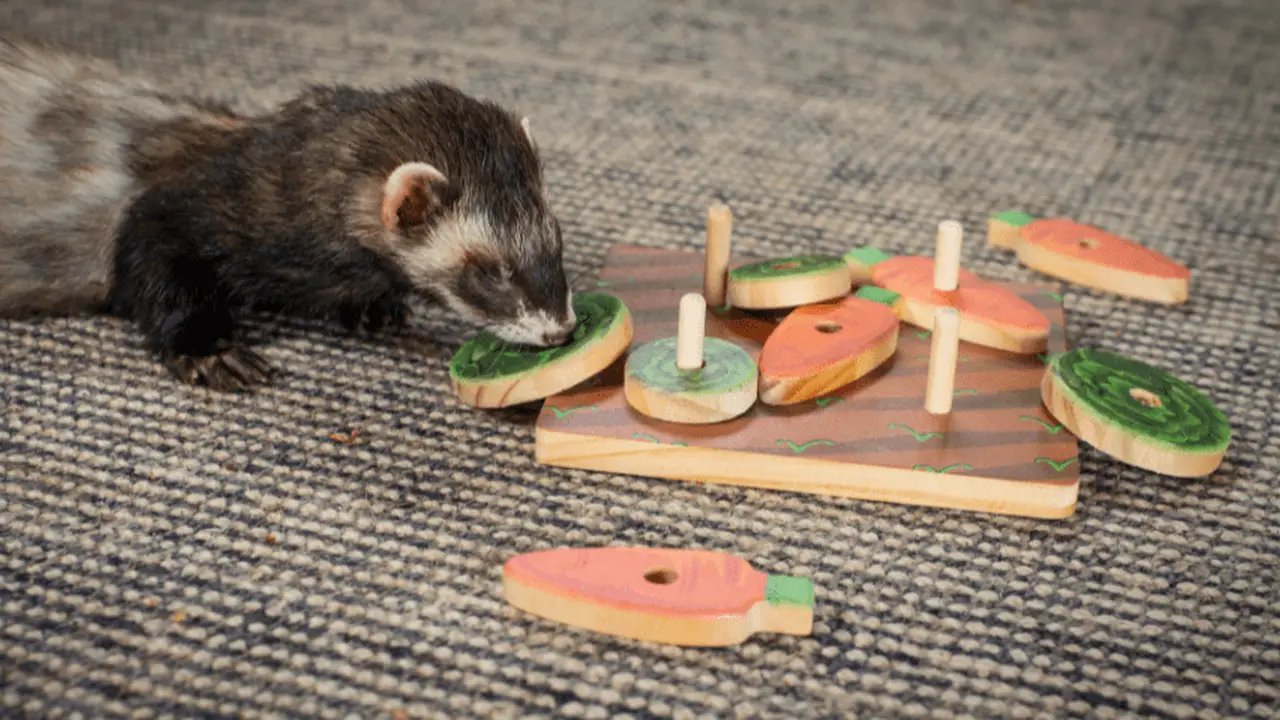
- Providing for this need: Always provide plenty of safe chew toys. These can include untreated wooden blocks, cardboard tubes (from toilet paper or paper towels), hay, and specific hamster chew sticks.
Hoarding and Pouching Food Storage and Security
Hamsters have expandable cheek pouches that they use to transport food back to their burrows. This behavior, known as hoarding or pouching, is a survival instinct.
- What it means: Your hamster is preparing for a future meal or storing food in a secure location. It's a sign of a healthy, instinct-driven hamster.
- What not to do: Don't try to empty their pouches or disturb their food stash. This can be very stressful for them.
Running on the Wheel Exercise and Energy Release
Hamsters are incredibly active animals, capable of running many miles in a single night in the wild. A wheel is essential for their physical and mental well-being.
- What it means: Your hamster is exercising, burning off energy, and fulfilling a natural urge to run.
- Providing for this need: Always provide a solid-surface wheel of an appropriate size. For dwarf hamsters, a minimum of 6.5-8 inches is recommended, while Syrian hamsters need 8-12 inches or larger to prevent spinal curvature. Avoid wire wheels as they can cause bumblefoot.
Grooming and Self-Cleaning Maintaining Hygiene
Hamsters are meticulous groomers, constantly cleaning their fur to keep it soft and free of debris.
- What it means: A healthy, clean hamster. Excessive grooming, however, can sometimes indicate stress or skin issues.
- Providing for this need: Offer a small, shallow dish of chinchilla sand (not dust) for Syrian hamsters to take sand baths. Dwarf hamsters may also enjoy this, but it's less critical.
Stretching and Yawning Relaxation and Comfort
Like humans, hamsters stretch and yawn when they are relaxed and comfortable.
- What it means: Your hamster feels safe and content in their environment.
Interpreting Hamster Sounds Vocalizations and Their Meanings
While not as vocal as some other pets, hamsters do make a range of sounds that can provide clues about their mood.
Squeaking and Chirping Contentment or Mild Annoyance
Soft squeaks or chirps often indicate contentment, especially when exploring or interacting gently. Louder, more insistent squeaks can sometimes mean mild annoyance or a desire to be left alone.
Hissing and Screaming Fear or Aggression
These are clear signs of distress, fear, or aggression. A hamster may hiss or scream if they feel threatened, are in pain, or are being handled roughly.
Teeth Chattering Warning Sign
Teeth chattering is a warning sign that your hamster is feeling threatened and may bite if not given space.
Understanding Hamster Body Language Visual Cues
Beyond sounds, a hamster's posture and actions speak volumes.
Freezing Still Fear or Caution
If a hamster suddenly freezes, it often means they are startled, scared, or assessing a potential threat.
Standing on Hind Legs Alertness and Observation
This posture, often called 'periscoping,' indicates alertness. Your hamster is trying to get a better view of their surroundings.
Flattening Themselves Submissiveness or Fear
A hamster flattening itself against the ground can be a sign of submissiveness or extreme fear, trying to appear less threatening or hide.
Biting and Nipping Defensive Behavior
Biting is usually a last resort for a hamster. It can be due to fear, pain, being startled, or mistaking your finger for food. Rarely is it out of pure aggression.
Grooming While Being Held Comfort and Trust
If your hamster grooms itself while you are holding it, it's a good sign that they feel comfortable and safe in your hands.
Signs of a Happy Hamster What to Look For
A happy hamster is an active, curious, and well-adjusted pet. Look for these indicators:
- Active at night: Running on their wheel, exploring their cage, burrowing.
- Good appetite: Eating regularly and pouching food.
- Clean and well-groomed fur: Regular self-grooming.
- Curious and alert: Investigating new objects or smells.
- Relaxed posture: Stretching, yawning, sleeping soundly.
- Minimal biting: Only biting if startled or feeling threatened.
Signs of a Stressed or Unwell Hamster Recognizing Distress
Changes in behavior can often be the first sign that something is wrong. Be vigilant for these red flags:
- Lethargy or decreased activity: Sleeping excessively, not running on the wheel.
- Loss of appetite or thirst: Not eating or drinking as usual.
- Hunched posture or ruffled fur: Can indicate pain or illness.
- Excessive scratching or grooming: May point to skin issues or parasites.
- Aggression or biting: If unusual, could be due to pain, fear, or an unsuitable environment.
- Wet tail: A serious bacterial infection, characterized by a wet, soiled tail area and diarrhea. Requires immediate veterinary attention.
- Repetitive behaviors (stereotypies): Bar chewing, constant pacing, or somersaulting can indicate boredom, stress, or an inadequate cage size.
Enrichment for Hamsters Enhancing Their Environment
Providing a stimulating environment is crucial for preventing boredom and behavioral issues. Enrichment encourages natural behaviors and keeps your hamster mentally and physically healthy.
Essential Enrichment Items Product Recommendations
Here are some key enrichment items and specific product recommendations, along with their typical price ranges and use cases:
1. Hamster Wheels The Foundation of Exercise
A good wheel is non-negotiable. It must be solid-surface and appropriately sized to prevent back injuries.
- Product Recommendation: Silent Spinner Wheel (Kaytee)
- Sizes: 6.5-inch (dwarf hamsters), 10-inch (Syrian hamsters), 12-inch (large Syrian hamsters).
- Use Case: Provides essential exercise, quiet operation for nighttime use.
- Comparison: Superior to wire wheels for safety. The 10-inch is a good all-rounder for most Syrians, while the 12-inch is ideal for larger individuals. The 6.5-inch is perfect for dwarf hamsters.
- Price: $15 - $30 USD depending on size.
- Product Recommendation: Niteangel Super Silent Hamster Wheel
- Sizes: 8.3-inch, 9.8-inch, 11-inch, 12.6-inch.
- Use Case: Extremely quiet, high-quality construction, excellent for preventing spinal issues due to its large size options.
- Comparison: Often considered a premium option due to its robust build and near-silent operation. Great for owners who prioritize quietness and durability.
- Price: $25 - $50 USD depending on size.
2. Chew Toys Dental Health and Boredom Busters
A variety of chew toys is essential to keep teeth trimmed and prevent destructive chewing on cage bars.
- Product Recommendation: Oxbow Enriched Life Play Table
- Use Case: Made from natural, safe wood, provides a platform for chewing and climbing.
- Comparison: Offers more than just chewing; it's also a small platform for exploration.
- Price: $8 - $12 USD.
- Product Recommendation: Rosewood Naturals Gnaw Stone with Loofah
- Use Case: Provides minerals and a different texture for chewing.
- Comparison: Good for hamsters who prefer harder chews.
- Price: $5 - $8 USD.
- DIY Option: Cardboard Tubes
- Use Case: Free, safe, and easily replaceable. Great for chewing and tunneling.
- Comparison: Cost-effective and highly effective.
- Price: Free.
3. Hides and Tunnels Security and Exploration
Hamsters need places to hide, sleep, and feel secure. Tunnels mimic their natural burrows.
- Product Recommendation: Niteangel Multi-Chamber Hamster House
- Sizes: Various sizes for dwarf and Syrian hamsters.
- Use Case: Mimics natural burrow systems, providing multiple chambers for sleeping, hoarding, and feeling secure.
- Comparison: A superior alternative to single-chamber plastic houses, promoting more natural behavior.
- Price: $20 - $40 USD depending on size.
- Product Recommendation: Kaytee CritterTrail Fun-nels
- Use Case: Connects different parts of the cage or provides additional exploration routes.
- Comparison: While fun, ensure they are wide enough for your hamster (especially Syrians) to prevent getting stuck.
- Price: $5 - $15 USD per section.
4. Bedding and Substrate The Ultimate Burrowing Medium
Deep, safe bedding is paramount for a hamster's well-being.
- Product Recommendation: Carefresh Small Animal Bedding
- Use Case: Soft, absorbent, and excellent for burrowing. Available in various colors.
- Comparison: A popular and safe paper-based option. Avoid scented versions.
- Price: $15 - $30 USD for a large bag.
- Product Recommendation: Aspen Shavings (e.g., Kaytee Clean & Cozy Aspen Bedding)
- Use Case: Natural wood shavings, good for burrowing and odor control.
- Comparison: A good alternative to paper bedding, but ensure it's dust-extracted.
- Price: $10 - $20 USD for a large bag.
- Product Recommendation: Timothy Hay (e.g., Oxbow Western Timothy Hay)
- Use Case: Can be mixed with other bedding for added texture, nesting material, and a chewable fiber source.
- Comparison: Essential for many small animals, and beneficial for hamsters as an enrichment item.
- Price: $10 - $20 USD for a large bag.
5. Sand Baths for Hygiene and Fun
Some hamsters, especially dwarf species, enjoy sand baths for cleaning their fur.
- Product Recommendation: Chinchilla Bath Sand (e.g., Kaytee Chinchilla Bath Sand)
- Use Case: Provides a safe and effective way for hamsters to clean their fur.
- Comparison: Crucially, use sand, not dust, as dust can cause respiratory problems.
- Price: $5 - $10 USD per container.
- Product Recommendation: Small Ceramic Dish or Glass Jar
- Use Case: A sturdy, easy-to-clean container for the sand bath.
- Comparison: Better than plastic which can be chewed.
- Price: $3 - $10 USD.
Cage Size and Setup The Foundation of a Happy Hamster Home
No amount of enrichment can compensate for an inadequate cage size. This is perhaps the most critical factor in preventing stress-related behaviors.
Minimum Cage Size Recommendations Preventing Stereotypies
While many commercial cages are marketed for hamsters, most are far too small. The generally accepted minimum for a single dwarf hamster is 450 square inches of unbroken floor space, and for a Syrian hamster, it's 600-800 square inches or more. Bigger is always better.
- Why it matters: Small cages lead to boredom, stress, and repetitive behaviors like bar chewing or pacing.
- Recommended Cage Types: Large aquariums (20-gallon long for dwarfs, 40-gallon breeder or larger for Syrians), bin cages (DIY from large storage bins), or large bar cages with small bar spacing (e.g., Savic Hamster Heaven, Prevue Hendryx 528).
Optimal Cage Setup Creating a Stimulating Environment
Beyond size, how you set up the cage is vital:
- Deep Bedding: As mentioned, 6-8 inches minimum, but 10-12 inches is ideal for burrowing.
- Multiple Hides: Offer several options for sleeping and hiding.
- Variety of Chew Toys: Rotate them to keep things interesting.
- Appropriate Wheel: Solid surface, correct size.
- Food Scatter Feeding: Instead of just putting food in a bowl, scatter some of it around the cage to encourage natural foraging behavior.
- Water Bottle or Bowl: Both are acceptable, but ensure fresh water is always available. Some hamsters prefer bowls.
Handling and Taming Building Trust with Your Hamster
Understanding your hamster's behavior is crucial for successful taming and building a trusting relationship.
Patience is Key Gradual Introduction
Hamsters are prey animals, so they are naturally wary. Taming takes time and patience.
- Step 1: Scent Introduction: Let your hamster get used to your scent by placing a piece of tissue with your smell in their cage.
- Step 2: Hand Feeding: Offer treats from your hand. This associates your hand with positive experiences.
- Step 3: Gentle Petting: Once comfortable with hand feeding, try gentle strokes while they are eating.
- Step 4: Scooping: Use both hands to scoop your hamster up, rather than grabbing from above, which can trigger their predator response.
Reading Their Cues During Handling Respecting Boundaries
Pay attention to their body language during handling:
- Relaxed: Exploring your hands, grooming themselves, not trying to escape.
- Stressed: Freezing, trying to jump, squeaking, teeth chattering. If you see these signs, gently return them to their cage and try again later.
Health and Behavior When to Seek Veterinary Advice
Many behavioral changes can be indicators of underlying health issues. If you notice any significant or prolonged changes in your hamster's behavior, it's always best to consult a veterinarian experienced with small animals.
Common Health Issues Affecting Behavior Recognizing Symptoms
- Wet Tail: As mentioned, a severe bacterial infection. Symptoms include lethargy, diarrhea, hunched posture, and a wet, soiled tail.
- Respiratory Infections: Sneezing, wheezing, discharge from eyes or nose, lethargy.
- Dental Problems: Overgrown teeth can make eating difficult, leading to weight loss and changes in eating behavior.
- Skin Issues/Parasites: Excessive scratching, fur loss, red patches.
- Tumors/Abscesses: Lumps or bumps can cause discomfort and behavioral changes.
By diligently observing your hamster's actions, listening to their sounds, and understanding their natural instincts, you can provide a home that caters to their unique needs. This deeper understanding not only prevents common behavioral problems but also fosters a stronger, more rewarding relationship with your tiny companion. Remember, a happy hamster is an active, curious, and well-cared-for hamster, and decoding their behavior is the first step to ensuring their ultimate well-being.
:max_bytes(150000):strip_icc()/277019-baked-pork-chops-with-cream-of-mushroom-soup-DDMFS-beauty-4x3-BG-7505-5762b731cf30447d9cbbbbbf387beafa.jpg)