Choosing the Right Bedding for Small Animals
Learn how to choose the right bedding for small animals. Essential tips for comfort and hygiene.
Learn how to choose the right bedding for small animals. Essential tips for comfort and hygiene.
Choosing the Right Bedding for Small Animals
Understanding Small Animal Bedding Needs
Hey there, fellow small pet parents! So, you've got a cute little critter – maybe a hamster, a guinea pig, a rabbit, or even a rat. One of the most crucial decisions you'll make for their comfort, health, and happiness is choosing the right bedding. It's not just about making their cage look nice; bedding plays a vital role in insulation, absorption, odor control, and even burrowing behavior. Think about it: your small pet spends most of its life in its enclosure, directly interacting with the bedding. So, getting this right is super important!
Different small animals have different needs, and what works for a hamster might not be ideal for a rabbit. For instance, hamsters are avid burrowers, so they need deep bedding that holds tunnels well. Guinea pigs, on the other hand, are prone to respiratory issues, so dust-free options are a must. Rabbits need something soft and absorbent, especially if they're litter trained. We're going to dive deep into all these considerations, helping you navigate the sometimes-overwhelming world of small animal bedding.
Types of Small Animal Bedding Materials Compared
Alright, let's break down the most common types of bedding you'll encounter. Each has its pros and cons, and understanding them is key to making an informed choice.
Paper Based Bedding for Small Pets
Paper-based bedding is a super popular choice, and for good reason. It's usually made from recycled paper, making it eco-friendly. It comes in various forms, from shredded paper to soft, fluffy crinkled paper. Brands like Carefresh and Kaytee Clean & Cozy are big players here.
- Pros: Excellent absorbency, great odor control (especially the crinkled varieties), soft and comfortable for burrowing, generally low dust, and often made from recycled materials. It's also usually safe if ingested in small amounts.
- Cons: Can be a bit pricier than other options. Some brands might still have a slight dust factor, so always check reviews.
- Best for: Hamsters, guinea pigs, rabbits, rats, mice, gerbils. Basically, most small animals!
- Product Recommendation: Carefresh Small Pet Bedding, Natural. This stuff is a classic for a reason. It's super soft, highly absorbent, and fantastic for odor control. A 50-liter bag usually runs about $20-25 USD. It expands a lot, so a little goes a long way.
- Product Recommendation: Kaytee Clean & Cozy White Small Animal Bedding. Another excellent choice, often praised for being even softer and less dusty than some other paper beddings. It's great for burrowing and nesting. A 40-liter bag is typically around $18-22 USD.
Wood Shavings Bedding Options for Small Animals
Wood shavings have been around forever, but it's crucial to know which ones are safe. Cedar and pine shavings contain aromatic oils (phenols) that can be harmful to your pet's respiratory system and liver. So, steer clear of those!
The safe wood shaving option is aspen. Aspen shavings are non-toxic and don't contain those harmful oils.
- Pros (Aspen): Good absorbency, decent odor control, natural and often affordable, good for burrowing.
- Cons (Aspen): Can be dustier than paper bedding, not as soft as some other options, and can be a bit messy.
- Best for: Hamsters, gerbils, mice, rats (some owners prefer paper for rats due to respiratory sensitivity). Less ideal for guinea pigs and rabbits due to potential dust and comfort.
- Product Recommendation: Kaytee Aspen Bedding. This is a widely available and safe aspen option. A large bag (8 cubic feet expanded) can be found for around $15-20 USD. It's a good budget-friendly choice if you're looking for wood shavings.
Fleece Liners for Small Pet Cages
Fleece liners are a fantastic, reusable option, especially popular with guinea pig and rabbit owners. They're essentially fabric mats that you place at the bottom of the cage.
- Pros: Reusable (washable!), very soft and comfortable, virtually dust-free, great for pets with respiratory issues, and can be very aesthetically pleasing. Good for pets that are litter trained.
- Cons: Requires frequent washing (every few days for guinea pigs), doesn't absorb liquids directly (needs an absorbent layer underneath, like U-Haul pads or towels), and can be an initial investment. Odor control depends on how often you clean.
- Best for: Guinea pigs, rabbits, rats (especially those that are litter trained). Not ideal for burrowing animals like hamsters unless used as a top layer over deep bedding.
- Product Recommendation: GuineaDad Fleece Liners. These are premium liners specifically designed for guinea pigs, often with an absorbent layer built-in. They are pricier, with a single C&C cage liner costing around $40-60 USD, but they last a long time.
- Product Recommendation: DIY Fleece Liners. Many pet owners make their own using fleece fabric and an absorbent layer like U-Haul furniture pads or old towels. This is a much more budget-friendly option, costing perhaps $10-20 USD per liner depending on fabric sales.
Hay Bedding for Rabbits and Guinea Pigs
Hay isn't just food for rabbits and guinea pigs; it can also serve as bedding, especially for nesting and comfort. Timothy hay is the most common and recommended type.
- Pros: Natural, edible (which is great for their digestion!), provides enrichment, and good for nesting.
- Cons: Can be messy, doesn't offer great odor control on its own, and can be dusty. Not highly absorbent for urine.
- Best for: Rabbits and guinea pigs (as a supplement to other bedding or as a primary bedding if changed very frequently).
- Product Recommendation: Oxbow Timothy Hay. A high-quality, widely available brand. A 9-pound bag is typically $20-25 USD. Remember, this is primarily food, but they'll also use it for bedding.
Other Bedding Materials for Small Animals
There are a few other options out there, but they come with more caveats.
- Corn Cob Bedding: While absorbent, it can grow mold easily if wet and can be ingested, leading to impaction. Generally not recommended.
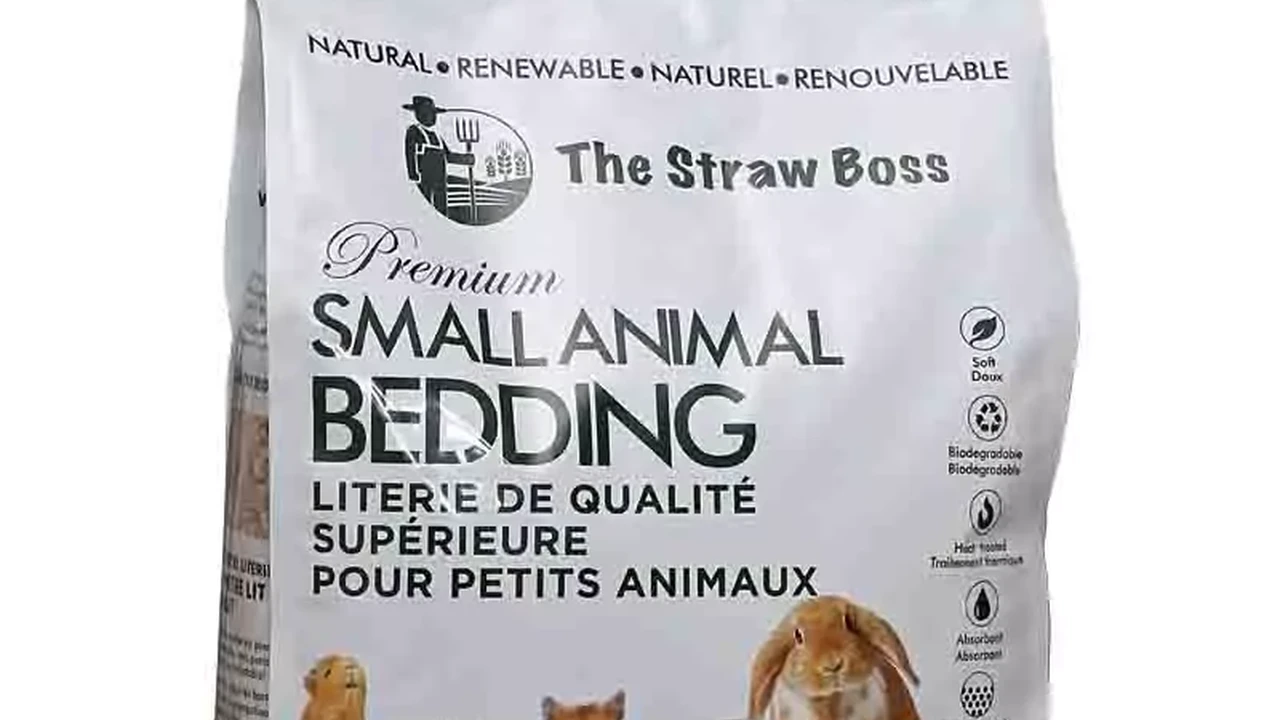
- Straw: Offers good insulation but is not absorbent and can be poky. Better for outdoor hutches in cold weather than indoor cages.
- Scented Bedding: Avoid at all costs! The added fragrances are usually artificial and can cause severe respiratory issues in small animals.
Key Factors When Selecting Small Animal Bedding
Now that we've looked at the types, let's talk about the critical factors you need to consider for your specific pet.
Absorbency and Odor Control for a Clean Cage
This is huge! Good bedding will soak up urine and help neutralize odors, keeping your pet's home fresh and hygienic. Poor absorbency leads to wet, smelly cages, which can cause skin infections (like bumblefoot in guinea pigs) and respiratory problems. Paper-based beddings like Carefresh excel here, as do fleece liners with an absorbent layer underneath.
Dust Levels and Respiratory Health for Small Pets
Small animals, especially guinea pigs, rats, and hamsters, have delicate respiratory systems. High-dust bedding can lead to sneezing, wheezing, and serious respiratory infections. Always opt for low-dust or dust-free options. This is where paper bedding and fleece liners really shine. If you use aspen, look for brands that specifically state they are 'low dust'.
Comfort and Softness for Burrowing and Nesting
Your pet needs a comfy place to sleep, rest, and, for many, burrow. Soft bedding provides insulation and a sense of security. Hamsters and gerbils, in particular, love to dig tunnels and create elaborate nests. Crinkled paper bedding and soft fleece are excellent for this. Even rabbits and guinea pigs appreciate a soft surface to lounge on.
Safety and Non-Toxicity of Small Animal Bedding
This is non-negotiable. Bedding should be non-toxic if ingested, as pets will inevitably nibble on it. Avoid cedar and pine shavings due to harmful phenols. Scented beddings are also a big no-no. Always check the ingredients and ensure the bedding is safe for your specific animal.
Cost and Maintenance of Pet Bedding
Bedding is an ongoing expense, so consider your budget. While fleece liners have a higher upfront cost, they save money in the long run because they're reusable. Disposable beddings like paper or aspen need to be purchased regularly. Also, think about how often you'll need to change the bedding. Highly absorbent options might allow for less frequent full cage cleanings, but spot cleaning should be done daily regardless.
Specific Bedding Recommendations for Popular Small Animals
Let's get specific! Here are tailored recommendations for some common small pets.
Best Bedding for Hamsters and Gerbils
These little guys are burrowing champions! They need deep bedding (at least 6 inches, preferably more) that holds tunnels well.
- Top Picks: Paper-based bedding (Carefresh, Kaytee Clean & Cozy) or aspen shavings.
- Why: Both are great for burrowing and nesting. Paper bedding offers superior odor control and softness.
- Usage Tip: Mix different types! Some owners use a base layer of aspen for structure and a top layer of soft paper bedding for comfort and nesting.
Ideal Bedding for Guinea Pigs
Guinea pigs are prone to respiratory issues and bumblefoot, so dust-free and soft options are paramount.
- Top Picks: Fleece liners (with an absorbent layer underneath) or paper-based bedding.
- Why: Fleece is dust-free, soft, and reusable. Paper bedding is also low-dust and absorbent.
- Usage Tip: If using fleece, have at least 2-3 sets so you can rotate them during washing. Spot clean daily to remove poops.
Recommended Bedding for Rabbits
Rabbits need soft, absorbent bedding, especially if they're litter trained. Hay is also a crucial part of their diet and can double as bedding.
- Top Picks: Fleece liners, paper-based bedding, or a combination of hay and paper bedding in their litter box.
- Why: Fleece is comfortable and reusable. Paper bedding is absorbent and soft. Hay encourages natural behaviors.
- Usage Tip: Many rabbit owners use fleece for the main cage area and a litter box filled with paper bedding and hay.
Safe Bedding for Rats and Mice
Rats and mice are intelligent and active, and also have sensitive respiratory systems.
- Top Picks: Paper-based bedding or aspen shavings. Fleece liners can also work well, especially for rats.
- Why: Low-dust options are crucial. Paper bedding is excellent for nesting and absorbency.
- Usage Tip: Provide plenty of bedding for nesting and enrichment. Rats love to rearrange their environment.
Setting Up Your Small Animal's Bedding for Success
Once you've chosen your bedding, how do you set it up for optimal comfort and hygiene?
Depth of Bedding for Burrowing Animals
For hamsters, gerbils, and mice, aim for at least 6 inches of bedding, but more is always better! Some owners even provide 10-12 inches in a section of the cage. This allows them to create complex tunnel systems, which is vital for their mental and physical well-being.
Layering Bedding for Enhanced Performance
You can get creative with layering! For example, a base layer of highly absorbent paper bedding, topped with a softer, fluffier paper bedding for nesting. Or, for guinea pigs, a U-Haul pad underneath a fleece liner. This can improve absorbency, odor control, and comfort.
Regular Cleaning and Spot Cleaning Routines
No matter what bedding you choose, regular cleaning is essential. Spot clean daily to remove soiled bedding and droppings. A full cage cleaning, where all bedding is removed and the cage is disinfected, should happen weekly or bi-weekly, depending on the animal and cage size. For fleece liners, washing every 2-4 days is usually necessary.
Common Bedding Mistakes to Avoid
Let's make sure you're not falling into any common traps!
Using Unsafe Bedding Materials
Again, avoid cedar and pine shavings, scented bedding, and corn cob bedding. These can cause serious health problems for your pet. Always prioritize safety over cost or convenience.
Not Providing Enough Bedding Depth
Especially for burrowing animals, insufficient bedding depth can lead to stress and boredom. They need to express their natural behaviors, and digging is a big one!
Infrequent Cleaning and Its Consequences
A dirty cage is a breeding ground for bacteria, fungi, and parasites. It can lead to respiratory infections, skin issues, and a generally unhappy pet. Stay on top of your cleaning routine!
Ignoring Your Pet's Specific Needs
What works for one small animal might not work for another. Always research the specific needs of your pet species. A hamster's needs are different from a guinea pig's, and a rabbit's are different from a rat's. Tailor your bedding choice to their unique requirements.
Where to Buy Small Animal Bedding and Cost Considerations
You can find small animal bedding at most pet stores, both brick-and-mortar and online. Major retailers like PetSmart, Petco, Chewy, and Amazon are good places to start.
Online Retailers vs Local Pet Stores
Online retailers often have a wider selection and can be more competitive on price, especially for bulk purchases. However, local pet stores allow you to see and feel the bedding before buying, and you can get advice from staff. Sometimes, local stores have sales that beat online prices.
Budget-Friendly Bedding Options
If you're on a budget, look for larger bags of paper bedding or aspen shavings. DIY fleece liners are also a very cost-effective long-term solution. Keep an eye out for sales and consider buying in bulk if you have storage space.
Premium Bedding Brands and Their Value
Brands like Carefresh, Kaytee Clean & Cozy, and GuineaDad (for fleece) are often considered premium. While they might have a higher price tag, they often offer superior absorbency, odor control, and dust-free properties, which can be worth the investment for your pet's health and your convenience.
Choosing the right bedding is a foundational aspect of responsible small pet ownership. By considering absorbency, dust levels, comfort, safety, and your pet's specific needs, you can create a healthy, happy, and hygienic home for your tiny companion. Happy pet parenting!
:max_bytes(150000):strip_icc()/277019-baked-pork-chops-with-cream-of-mushroom-soup-DDMFS-beauty-4x3-BG-7505-5762b731cf30447d9cbbbbbf387beafa.jpg)