Comparing Live Food vs Pellets for Reptiles
Live food vs pellets for reptiles: which is better? Compare feeding options for your scaly pet.
Live food vs pellets for reptiles: which is better? Compare feeding options for your scaly pet.
Comparing Live Food vs Pellets for Reptiles
Understanding Reptile Diets The Basics of Feeding Your Scaly Friend
So, you've got a scaly friend, huh? Whether it's a majestic bearded dragon, a slithery corn snake, or a charming leopard gecko, one of the most crucial aspects of their care is their diet. Just like us, reptiles need proper nutrition to thrive, stay healthy, and live long, happy lives. But when you walk into a pet store or browse online, you're faced with a big question: live food or pellets? It's a debate that's been going on among reptile enthusiasts for ages, and honestly, there's no one-size-fits-all answer. It really depends on your specific reptile species, their natural behaviors, your lifestyle, and even your comfort level. Let's break down the pros and cons of each, look at some specific product recommendations, and help you make an informed decision for your beloved reptile.The Allure of Live Food Mimicking Nature for Optimal Reptile Health
For many reptile owners, live food is the gold standard. Why? Because it's what most reptiles would naturally eat in the wild. Think about it: a snake hunting a mouse, a gecko snatching a cricket, or a chameleon flicking its tongue at a fly. This isn't just about sustenance; it's about instinct, enrichment, and providing a complete nutritional profile that's hard to replicate.Benefits of Live Food for Reptiles
- Natural Hunting Instincts and Enrichment: This is a huge one. When your reptile hunts live prey, it's engaging in natural behaviors that keep its mind and body active. It's not just eating; it's stalking, chasing, and capturing. This mental and physical stimulation is vital for preventing boredom and promoting overall well-being. Imagine a cat without a toy – it's similar for a reptile without the thrill of the hunt.
- Superior Nutritional Profile: Freshly fed live insects and rodents often provide a more complete and bioavailable range of nutrients compared to processed pellets. They contain natural enzymes, vitamins, and minerals that can sometimes be lost or degraded during the manufacturing of dry foods.
- Hydration: Many live insects and rodents contain a significant amount of water, contributing to your reptile's hydration, especially for species that don't readily drink from a water bowl.
- Variety: There's a vast array of live feeders available, allowing you to offer a diverse diet. This variety helps ensure your reptile gets a broad spectrum of nutrients and keeps them interested in their meals.
Common Types of Live Food and Their Uses
Crickets The Staple for Many Insectivores
Crickets are probably the most common live feeder. They're relatively inexpensive and readily available. They're great for leopard geckos, bearded dragons (especially juveniles), chameleons, and many other insectivorous lizards.- Product Recommendation: Fluker's Farm Crickets (various sizes).
- Usage: Offer crickets that are no larger than the space between your reptile's eyes. Dust them with calcium and vitamin supplements before feeding.
- Price: Varies by quantity, but generally affordable. A tub of 100 medium crickets might cost around $8-$15 USD.
Mealworms and Superworms Occasional Treats and Staple for Some
Mealworms and superworms are popular due to their ease of storage and relatively low cost. They're good for bearded dragons, leopard geckos, and some other insectivores. However, they have a harder exoskeleton and higher fat content, so they should be fed in moderation for many species.- Product Recommendation: Josh's Frogs Mealworms or Rainbow Mealworms Superworms.
- Usage: Offer as part of a varied diet. Dust with supplements.
- Price: Similar to crickets, a container of 500 mealworms might be $10-$20 USD.
Dubia Roaches A Superior Feeder Insect
Dubia roaches are gaining popularity as a superior feeder insect. They are high in protein, low in fat, easy to gut-load, and don't smell or make noise like crickets. They're excellent for bearded dragons, leopard geckos, chameleons, and many other insectivorous and omnivorous reptiles.- Product Recommendation: DubiaRoaches.com Dubia Roaches (various sizes).
- Usage: Can be a staple feeder. Dust with supplements.
- Price: A bit more expensive than crickets, but their nutritional value often justifies the cost. A pack of 50 medium might be $15-$25 USD.
Mice and Rats For Carnivorous Reptiles
For snakes and some larger lizards, rodents like mice and rats are essential. It's generally recommended to feed pre-killed, frozen-thawed rodents to avoid injury to your reptile and to ensure a consistent food source. This also allows for easier storage and gut-loading.- Product Recommendation: RodentPro Frozen Mice/Rats (various sizes).
- Usage: Thaw completely before feeding. Offer appropriate size for your snake.
- Price: Varies significantly by size and quantity. A pack of 25 frozen pinky mice might be $20-$30 USD.
Challenges of Live Food
- Storage and Maintenance: Keeping live insects and rodents requires dedicated space, proper ventilation, and regular feeding and cleaning. This can be time-consuming and, let's be honest, sometimes a bit smelly.
- Cost: While individual feeders might be cheap, the ongoing cost can add up, especially for larger reptiles or those with high metabolisms.
- Pest Control: Escaped crickets or roaches can become a nuisance in your home.
- Ethical Concerns: Some owners are uncomfortable with feeding live animals, even if it's natural for the reptile.
- Nutritional Inconsistency: The nutritional value of live feeders can vary depending on what they themselves have been fed (gut-loading).
The Convenience of Pellets A Modern Solution for Reptile Nutrition
Pelleted diets, often referred to as commercial or prepared diets, offer a convenient alternative to live food. They're designed to be nutritionally complete and balanced, reducing the need for extensive supplementation. While not suitable for all species, they can be a lifesaver for busy owners or for reptiles that readily accept them.Benefits of Pelleted Food for Reptiles
- Convenience and Ease of Storage: Pellets are dry, shelf-stable, and don't require any special housing or feeding. Just scoop and serve! This is a huge advantage for owners with limited space or time.
- Nutritional Consistency: Reputable brands formulate their pellets to provide a balanced diet, ensuring your reptile gets consistent nutrition with every meal. This can reduce the guesswork involved in gut-loading live feeders.
- Reduced Odor and Pests: No live insects means no smells, no escaped critters, and a generally cleaner feeding experience.
- Cost-Effective: In the long run, pellets can often be more economical than consistently buying live feeders, especially for larger reptiles.
Common Types of Pelleted Food and Their Uses
Bearded Dragon Pellets Formulated for Omnivores
Bearded dragon pellets are designed to meet the omnivorous needs of these popular lizards, often containing a mix of plant and insect-based ingredients. They can be a good supplement to a live insect and fresh vegetable diet.- Product Recommendation: Zoo Med Natural Adult Bearded Dragon Food or Rep-Cal Adult Bearded Dragon Food.
- Usage: Can be offered daily alongside fresh greens and occasional insects. Always provide fresh water.
- Price: A 10 oz container might cost $10-$20 USD.
Turtle and Tortoise Pellets Specialized for Herbivores and Omnivores
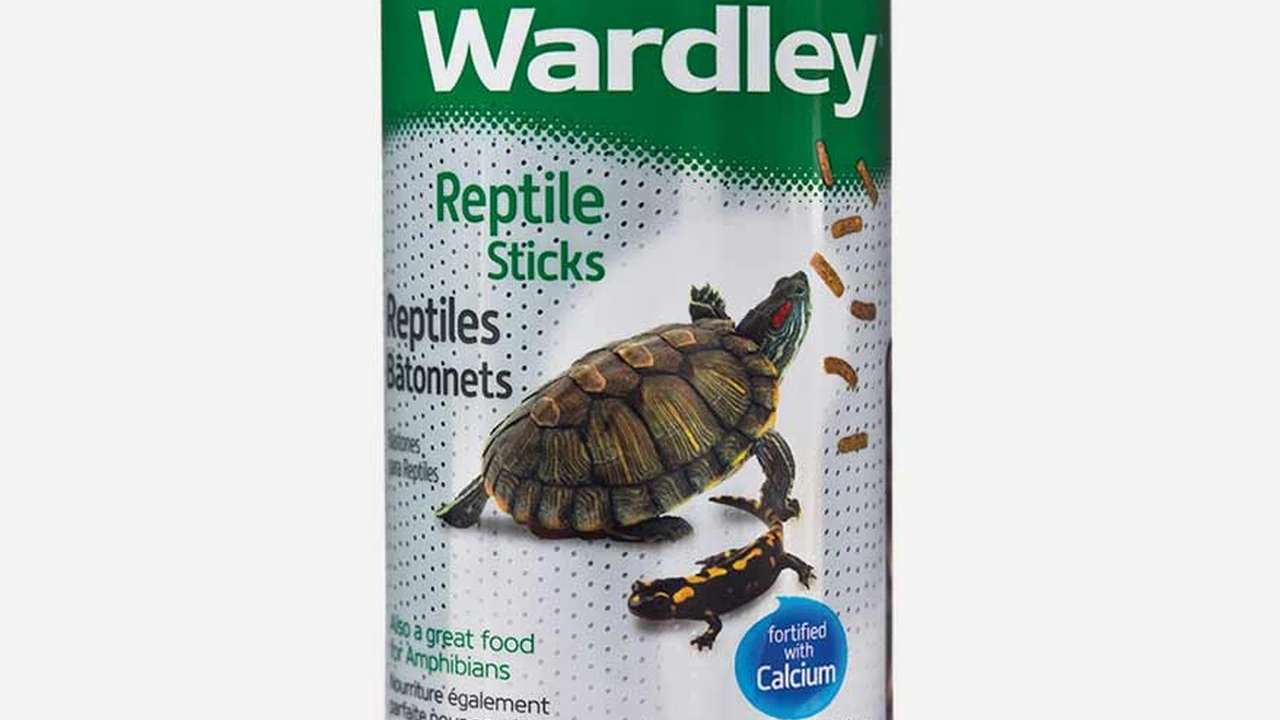
These pellets are formulated for the specific dietary needs of aquatic turtles and terrestrial tortoises, which can vary greatly. They often contain a mix of plant matter, protein, and essential vitamins and minerals.- Product Recommendation: Mazuri Tortoise Diet (for tortoises) or Tetra ReptoMin Floating Food Sticks (for aquatic turtles).
- Usage: Follow package instructions for feeding frequency and quantity. Always provide fresh water.
- Price: A 1 lb bag of Mazuri might be $15-$25 USD. A container of ReptoMin might be $8-$15 USD.
Crested Gecko Diets Complete Meal Replacements
Crested geckos are unique in that they can thrive on a powdered meal replacement diet that is mixed with water. These diets are incredibly convenient and provide all the necessary nutrients.- Product Recommendation: Repashy Crested Gecko Diet or Pangea Reptile Gecko Diet.
- Usage: Mix with water to a ketchup-like consistency and offer every other day.
- Price: A 4 oz bag might cost $15-$25 USD.
Challenges of Pelleted Food
- Lack of Enrichment: The biggest drawback is the absence of hunting and foraging behavior. This can lead to boredom and a less stimulated reptile.
- Palatability Issues: Some reptiles simply won't accept pellets, especially if they've been accustomed to live food.
- Species Specificity: Pellets are not suitable for all reptile species. Obligate carnivores like most snakes generally cannot thrive on pellets.
- Potential for Overfeeding: It's easy to overfeed pellets, leading to obesity if not carefully monitored.
- Ingredient Quality: Not all pellet brands are created equal. It's crucial to choose high-quality, reputable brands with transparent ingredient lists.
Comparing Live Food vs Pellets A Side-by-Side Look for Reptile Owners
Let's put it all together and see how these two feeding methods stack up against each other.Nutritional Value and Bioavailability
Live food, when properly gut-loaded and dusted, often provides a more natural and bioavailable nutrient profile. The insects and rodents themselves are living organisms, containing enzymes and nutrients that are easily absorbed. Pellets, while formulated to be complete, can sometimes have nutrients that are less bioavailable due to processing.Enrichment and Natural Behavior
This is where live food truly shines. The act of hunting and consuming live prey is a fundamental part of a reptile's existence. It provides mental stimulation, physical exercise, and satisfies their natural instincts. Pellets, by their nature, offer very little in terms of enrichment.Convenience and Time Commitment
Pellets win hands down here. They are incredibly convenient, require minimal preparation, and have a long shelf life. Live food, on the other hand, demands more time for care, cleaning, and sourcing.Cost Considerations for Reptile Diets
Initially, live food might seem cheaper per item, but the ongoing cost, especially for larger reptiles or those that eat frequently, can quickly surpass the cost of a bag of high-quality pellets. However, for species that require a diverse live diet, the cost of pellets might not be a true comparison if they still need live food as a supplement.Health Risks and Safety
Live feeders can sometimes carry parasites or bacteria if not sourced from reputable breeders. There's also a risk of injury to your reptile if the prey fights back (which is why pre-killed is often recommended for rodents). Pellets generally carry fewer health risks in this regard, assuming they are stored properly and not expired.Making the Right Choice for Your Reptile Tailoring the Diet to Your Pet
So, what's the verdict? It's not about one being inherently 'better' than the other in all situations. It's about understanding your reptile's specific needs and finding the right balance.Species-Specific Dietary Needs
- Obligate Carnivores (e.g., most snakes): For these guys, live (or frozen-thawed) prey is almost always essential. Pellets are generally not suitable.
- Insectivores (e.g., leopard geckos, some chameleons): Live insects are crucial for enrichment and natural behavior. Pellets can sometimes be offered as an occasional supplement, but shouldn't be the sole diet.
- Omnivores (e.g., bearded dragons, some skinks): A varied diet of live insects, fresh vegetables, and high-quality pellets can work well. Pellets can provide a consistent base, supplemented by the enrichment of live feeders.
- Herbivores (e.g., tortoises, iguanas): Fresh greens and vegetables should be the primary diet. High-quality tortoise pellets can be a good supplement to ensure complete nutrition.
- Frugivores (e.g., crested geckos): Specialized powdered diets (which are a form of pellet when dry) are often the staple, supplemented with occasional insects.
:max_bytes(150000):strip_icc()/277019-baked-pork-chops-with-cream-of-mushroom-soup-DDMFS-beauty-4x3-BG-7505-5762b731cf30447d9cbbbbbf387beafa.jpg)